
Gas Detector Calibration Company in Ras Tanura
Traceable calibration for fixed and portable gas detection systems used in Ras Tanura industrial operations.
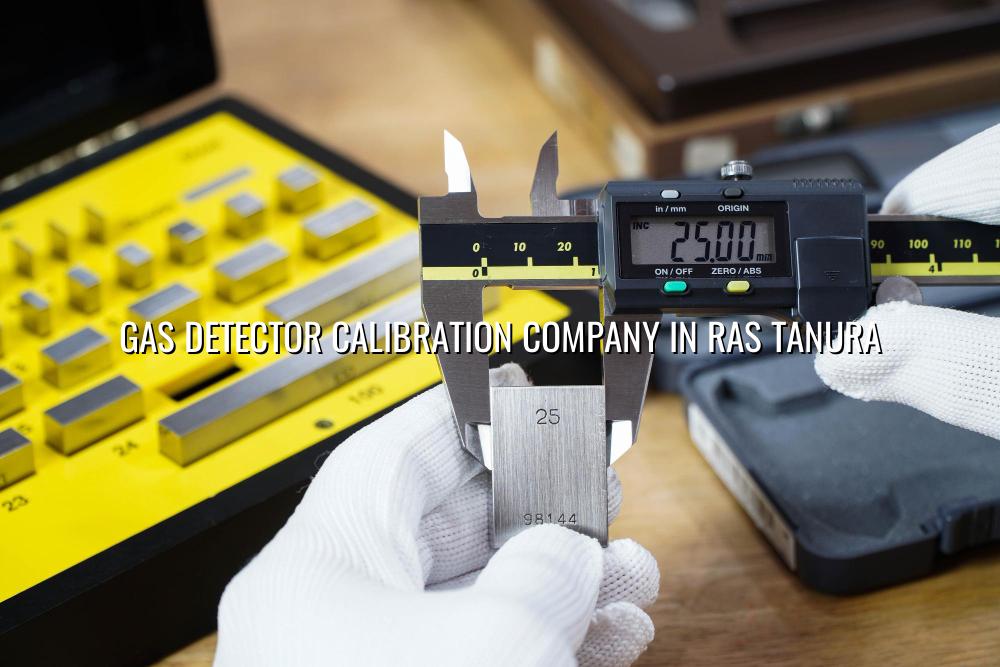
Gas detector calibration company in Ras Tanura searches usually mean one thing: you need a team that can keep fixed and portable gas detectors trusted in the field, not just documented on paper. We help you keep H2S, LEL, oxygen and toxic gas instruments reading as they should, so operators can act on the alarm with confidence.
In Ras Tanura, that matters because the work is tied to oil and gas operations, tank farms, maintenance shutdowns and permit-to-work routines. We support clients from our Saudi Arabia base in Dammam Industrial City 2, and we also handle Indian and wider Middle East projects with the same ISO/IEC 17025:2017 mindset, clear traceability and practical field experience.
What Ras Tanura teams should expect from gas detector calibration
For gas detector calibration, the real question is not only whether the instrument powers up. You want to know that the sensor responds at the right span, the alarm points are set properly and the certificate can stand up during a client audit or internal safety review. That applies to fixed detectors on process areas, portable units on shift rounds and multi-gas monitors carried into confined spaces.
Fixed detectors and portable units need different handling
Fixed gas systems often stay installed around process areas, loading zones and utility rooms, so their calibration checks need care around bypasses, gas exposure and alarm verification. Portable detectors are different; they’re used hard, moved around every day and often come back with damaged filters, weak batteries or sensors that have drifted after exposure to harsh conditions. We see that mix often in Saudi industrial sites, and the best results come from treating each instrument according to its use, not by a one-size-fits-all routine.
Traceability matters more than a quick bump test
A bump test is useful, but it is not a calibration. Teams in Ras Tanura usually want a certificate that shows the instrument was checked against suitable standards and that any deviation was identified clearly. That is where ISO/IEC 17025:2017 discipline helps. When you’re managing hundreds of instruments across shutdown crews, maintenance contractors and process safety teams, you need records that can be traced without chasing missing paperwork.
- Review the instrument history — we look at the model, gas type, previous readings and any field issues before work starts.
- Inspect the detector condition — sensors, filters, probes, pumps, batteries and housings are checked for wear or damage.
- Calibrate against the right gas — the detector is exposed to the relevant reference gas and the response is compared with acceptance limits.
- Verify alarms and documentation — set points, pass/fail status and calibration results are recorded for maintenance and audit use.
- Keep a separate schedule for fixed detectors and handheld monitors.
- Replace sensors that drift repeatedly instead of stretching intervals.
- Record the gas type used for each calibration, not just the pass mark.
- Check bump test kits, regulators and tubing before sending units for work.
- Keep spare units ready for permit-critical jobs in maintenance shutdowns.
Common gas detector checks and what they tell you
| Check type | What it covers | Why Ras Tanura teams use it |
|---|---|---|
| Bump test | Short exposure to test alarm response | Confirms the detector reacts before a shift or entry task |
| Calibration | Adjusts response against reference gas | Shows the reading is aligned for safety and reporting |
| Sensor inspection | Looks for contamination, ageing or damage | Helps avoid false alarms and missed gas events |
| Full functional check | Verifies alarms, display, pump and accessories | Useful for shutdown work and permit-to-work control |
Why calibration frequency is tied to site risk
Gas detector calibration company in Ras Tanura queries often come from maintenance leaders who already know the equipment is vital. The challenge is deciding how often to check it. Harsh heat, dust, corrosive atmospheres, repeated docking into test stations and heavy field use can all change sensor response. That is why frequency should follow the site risk, the manufacturer’s guidance and the actual condition of the unit, not a habit copied from another plant.
Where we see the biggest issues
We usually find the same trouble spots: handheld units stored with dead batteries, fixed detectors left too long between proof checks, and calibration records scattered across folders and contractors. On some sites, the instrument is fine but the accessory kit is the weak point, especially tubing, regulators and test gas interfaces. Once that chain is cleaned up, the whole gas detection program becomes easier to manage.
Built for active industrial sites
Ras Tanura and the wider Eastern Province need service teams that understand oil and gas routines, not just lab work. We support planned maintenance, shutdown windows and urgent field mobilization with mobile calibration capability, so instruments can be checked onsite where it makes sense and sent in for controlled work when conditions call for it.
How a practical gas detector calibration job usually runs
On a real job, we keep the process simple for the site team. The goal is not to create more work for maintenance. It is to get the instrument checked, recorded and back in service without confusion. For portable detectors, that may mean pickup and delivery if the instruments need special handling or controlled storage. For fixed detectors, it can mean onsite work around operational limits, safety permits and site access rules.
Our team also looks at the bigger picture. If your site is using calibration management records, permit-to-work logs or asset registers, the gas detector work should fit those systems cleanly. That helps QA teams, HSE teams and supervisors speak the same language when they review a monitor, a certificate or an alarm event.
- Onsite service for fixed detectors where plant access allows it.
- In-house work for portable instruments that need controlled conditions.
- Calibration records that are easy to file with maintenance logs.
- Support for oil and gas, petrochemical, power and cold-chain users.
How Mayon Industrial Services Can Help
We calibrate gas detectors alongside a wider set of industrial services, so you can bring calibration, inspection and maintenance under one practical plan. Our team supports fixed and portable gas detection systems, condition monitoring, electrical testing, mechanical work and lab-based service when an instrument needs more than a quick check. If you’re coordinating shutdown work, permit-critical tasks or routine safety rounds in Ras Tanura, we can help you keep the program under control.
Call +91 99447 80844 (India) or +966 59 633 8012 (Saudi Arabia), email services@mayonservices.com, or message us on WhatsApp.
Frequently Asked Questions
We support Ras Tanura customers through our Saudi Arabia operations in Dammam Industrial City 2, with onsite and controlled calibration options depending on the instrument and site need. That works well for both fixed detectors and handheld multi-gas monitors. If you need pickup and delivery for units that should not travel casually, we can plan that too.
The interval depends on the detector type, the manufacturer’s guidance and how hard the instrument is used. Sites with harsh conditions, frequent exposure or critical confined-space work often need tighter control than instruments kept in cleaner service. We normally suggest tying the schedule to your risk assessment and maintenance records.
No, it isn’t. A bump test only checks whether the detector responds to gas and alarms properly. Calibration checks the instrument response against a reference gas and, where needed, adjusts it so the reading is accurate enough for safety use and documentation.
Yes. Fixed detectors and portable monitors are both part of the work we do, but they’re handled differently because their installation, exposure and maintenance needs are not the same. We can check alarms, sensors, pumps and related accessories as part of the job.
We most often see oil and gas, petrochemical, power, construction and manufacturing sites asking for this service. Cold chain, food and beverage and healthcare users also rely on gas detection in some environments. The common thread is simple: when people rely on the alarm to protect a space or a worker, the detector has to be trusted.
Yes, we provide calibration documentation that can be filed with your maintenance and HSE records. That makes it easier for teams reviewing asset history, permit-to-work documentation or audit evidence. If your site uses a specific register format, we can work with that as part of the job planning.
Ready to keep your gas detection program dependable?
If you need a gas detector calibration company in Ras Tanura that works with real industrial conditions, talk to us and we’ll help you plan the next step.
Contact Mayon