
Gas Detector Calibration Company in Tabuk
Traceable gas detector calibration for Tabuk sites, with onsite support and careful documentation for safety-critical work.
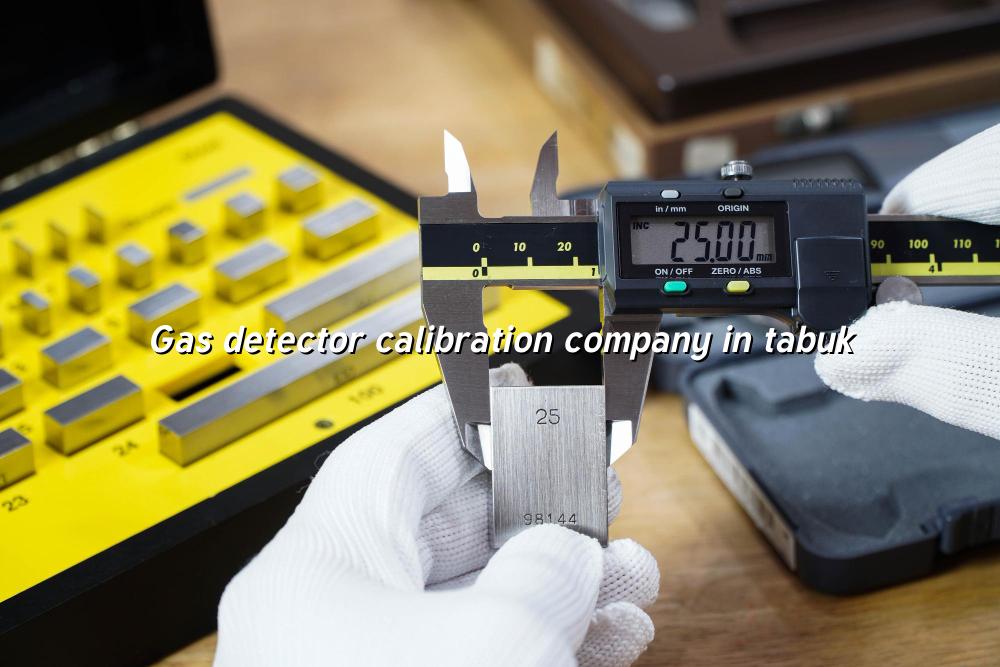
Gas detector calibration company in Tabuk searches usually come from teams that need straight answers fast. If your handheld or fixed gas detector is drifting, not reading cleanly, or due for verification, this page shows what matters and how we help you keep the instrument trustworthy.
We work with industrial sites that rely on gas monitoring every day, including oil and gas, petrochemical, power, construction and cold-chain facilities across Saudi Arabia and the wider Middle East. In Tabuk, that often means helping maintenance teams, shutdown crews and safety managers keep detectors ready for confined spaces, plant walkdowns and routine checks.
Why gas detector calibration matters in Tabuk plants
A gas detector calibration company in Tabuk has to do more than press a few buttons and print a sheet. The real job is to confirm the instrument responds properly to the target gas, alarms at the right point, and stays dependable under the conditions your team actually faces on site. That matters for H2S, CO, O2 deficiency, combustible gases and multi-gas monitors used in maintenance, hot work and confined-space entry.
What we check during calibration
We look at the detector as a working safety tool, not a box of electronics. That means verifying sensor response, zero behaviour, alarm function, sampling path condition and the overall condition of the unit before it goes back into service. For many teams in Tabuk, the issue is not just calibration itself; it is making sure the detector is still fit to be trusted after rough handling, storage in a vehicle, or exposure to dust and heat.
Onsite, in-lab, or pick-up and delivery
Some instruments can be handled onsite with a mobile calibration lab. Others need a controlled in-house environment, especially when the job calls for careful handling or special conditions. We can also arrange pick-up and delivery for instruments that should not be moved around casually. That flexibility helps when your site is busy, your shutdown window is tight, or your team is spread across more than one location.
- Register the instrument — we note the make, model, serial number, gas type and current condition before work starts.
- Inspect and clean — our team checks the housing, sensor ports, filters, bump-test history and visible wear.
- Verify and adjust — we compare the response against known references and adjust where the device allows it.
- Document the result — you receive a clear record for your QA files, maintenance log and safety file.
- Use traceable calibration support for handheld and fixed detectors.
- Match the service to the gas types your site actually monitors.
- Plan checks before shutdowns, entry permits or maintenance campaigns.
- Keep spare units ready so critical work is never blocked by one faulty monitor.
Calibration checks for common gas detector types
| Detector type | Typical check focus | Where it is used |
|---|---|---|
| Single-gas detector | Zero, response and alarm point | Confined spaces, tank entry, maintenance rounds |
| Multi-gas detector | Multiple sensors, bump response and alarm function | Oil and gas, petrochemical, power and utilities |
| Fixed gas detector | Sensor output, loop behaviour and alarm setting review | Process areas, loading zones, plant perimeters |
| Portable detector | Battery condition, sensor response and sampling path | Field work, shutdowns, contractor safety checks |
What Tabuk buyers should ask before they book calibration
Most teams call us after they have already found a problem: a detector that fails bump test, an alarm that feels inconsistent, or a device that has been sitting in a stores room too long. Ask about the calibration method, the gases or references used, the document trail you will receive, and whether the provider can support onsite work when your detector fleet cannot leave site. For industrial buyers, those questions save time later.
Why traceable records help your audit trail
When your QA or HSE team reviews an instrument file, the evidence should be easy to follow. A clear calibration record helps show the detector was checked against traceable references, by technicians who understand industrial use rather than only bench work. That matters in Saudi plants where maintenance logs, permit systems and contractor files are read closely.
Built for live industrial environments
We handle calibration work around active operations, shutdown teams and safety-critical routines. That includes supporting mobile work where it makes sense, and using the in-house laboratory when a controlled setup is the better fit. It keeps your instruments moving and your people protected.
Serving Tabuk with Saudi and GCC site realities in mind
Tabuk projects can be very different from a city-office procurement order. Sites may be spread out, access can be controlled, and instrument handover has to fit around permits and shift patterns. We understand that because our Saudi operations are already used to supporting industrial work from Dammam Industrial City 2 through SMC Engineering Services / Sixfaces Maintenance Co, alongside clients across India and the Middle East.
That regional experience matters when a detector is part of a larger safety system. If your team also needs calibration for pressure, electrical, thermal or mechanical instruments, we can align the work so your maintenance plan stays tidy instead of fragmented into separate vendor visits.
- Suitable for contractors, plant operators and shutdown teams.
- Helpful for detector fleets that need routine QA tracking.
- Works well when instruments must be collected and returned carefully.
- Fits safety programs that need cleaner documentation for audits.
How Mayon Industrial Services Can Help
We support gas detector calibration alongside our broader calibration, inspection and engineering work, so you can deal with one team that understands plant safety from the instrument bench to the worksite. If you also need mechanical support, condition monitoring, electrical testing, orbital welding or lab setup, we can coordinate around the same project plan. That keeps the job simpler for your maintenance and procurement teams. Reach out and we’ll help you map the right service path.
Call +91 99447 80844 (India) or +966 59 633 8012 (Saudi Arabia), email services@mayonservices.com, or message us on WhatsApp.
Frequently Asked Questions
It depends on the detector model, the maker's instructions and how hard the instrument works on site. In practice, many teams pair routine bump checks with scheduled calibration because harsh handling, dust and gas exposure can change performance faster than people expect. We always recommend following the instrument manual and your site safety procedure.
Yes, onsite work is often the easiest option when the detector fleet is tied to live operations. We use mobile calibration capability where it suits the job, and we shift to our in-house laboratory when the instrument needs a controlled setup or special handling. The right choice depends on the device condition and your site access rules.
That depends on the detector configuration, but common channels include oxygen, carbon monoxide, hydrogen sulfide and combustible gas. Some units also carry extra sensors for specific plant risks. We review the detector as configured, so the calibration work matches the instrument you actually use instead of a generic setup.
Yes, we provide documentation so your maintenance, QA and HSE teams have a clear record of the work. For industrial clients, that paper trail matters almost as much as the calibration itself because it supports internal checks, contractor control and audit reviews. We keep the language practical and easy to file.
Take it out of service and treat it as unavailable until it has been checked properly. A failed bump test can point to sensor ageing, contamination, calibration drift or a blocked sampling path, and all of those need a proper look. If you send it to us, we'll inspect the condition first and tell you what the instrument needs before it goes back into use.
Yes, and that is often the better way to plan a site visit. Along with gas detector calibration, we handle calibration services, condition monitoring, mechanical services, electrical testing and commissioning, inspection, orbital welding and lab setup. Many Tabuk and Saudi clients prefer one coordinated scope rather than multiple small jobs with different vendors.
Ready to keep your gas monitors in working order?
If you need a dependable calibration partner for Tabuk, send us the details and we’ll help you plan the next step.
Contact MayonFor Tabuk sites, the safest plan is simple: keep the detector records clean, check instruments before they become a problem, and work with a team that understands industrial safety. Mayon Industrial Services is set up for that kind of work, and we're ready when you need us.