
Gas Detector Calibration Company in Yanbu
Traceable calibration for portable and fixed gas detection equipment used in Yanbu plants, shutdowns and maintenance routines.
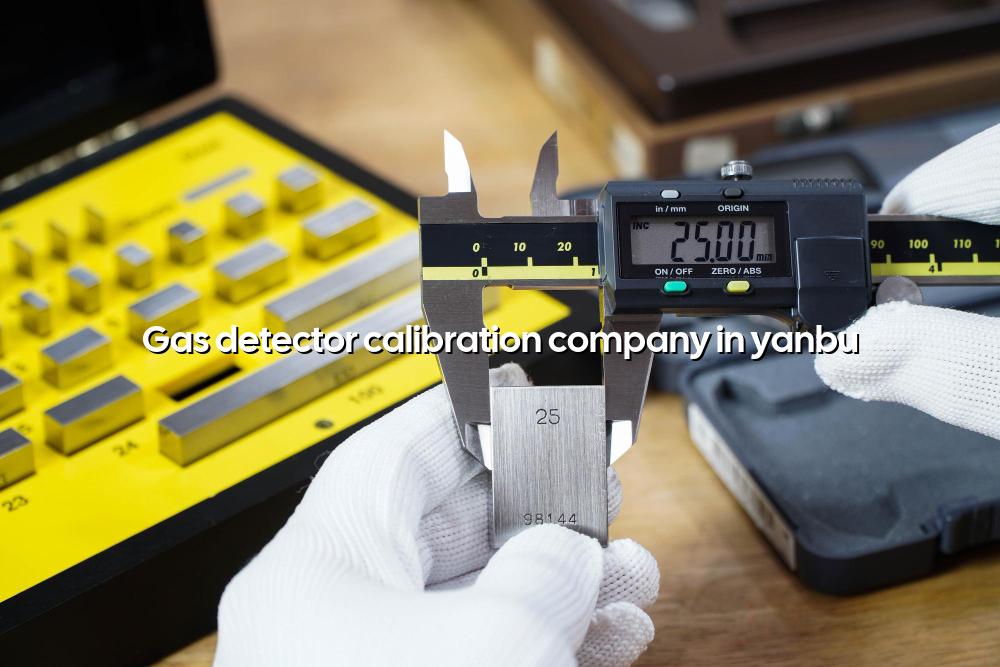
Gas detector calibration company in Yanbu is the search people make when a plant can’t afford guesswork from a handheld or fixed gas monitor. If you need readable results, traceability and a clear pass/fail record for H2S, LEL, oxygen or toxic gas units, this page shows how we handle it.
We work with maintenance teams, HSE managers and contractors across Yanbu Industrial City, refinery and petrochemical sites, and shutdown crews that need instruments checked before they go back on the line. Our approach is practical: confirm the alarm points, check response, record the readings, and make sure the device is fit for the job it was sent for.
Why a Gas Detector Calibration Company in Yanbu Matters
Gas detectors are small instruments, but the job they do is big. In Yanbu, they’re used around confined spaces, loading bays, tank farms, utility areas, labs and maintenance zones where a missed alarm can stop a shift, trigger a permit issue or put people at risk. A proper calibration check tells you the detector still responds at the correct gas concentration, the sensor is behaving, and the alarm setpoints are still meaningful.
What we check during calibration
For most portable and fixed units, we verify the sensor against suitable test gas, confirm alarm actuation, inspect the display and battery condition, and note any drift. If the detector is part of a plant safety routine, we also look at where it sits in the workflow — daily bump tests, scheduled calibration, and replacement planning. That makes the record useful, not just decorative.
Why Yanbu sites ask for traceability
Yanbu facilities often support oil and gas, petrochemical, utilities and marine-linked activity, so teams usually want documentation they can show during audits or contractor reviews. We calibrate under ISO/IEC 17025:2017 controlled practices, and that matters when the instrument data needs to stand up in front of QA, HSE or client representatives. It’s the difference between “we checked it” and “we can prove what we checked.”
- Log the instrument details — we note the make, model, serial number and gas type before any work starts.
- Inspect the condition — sensors, filters, inlet points, alarms and casing get a quick practical review.
- Apply the test gas — the detector is checked at the right concentration and the response is observed.
- Record the result — pass/fail status, drift, alarms and any corrective action are written down for your file.
- Portable four-gas detectors and fixed-area gas monitors can both be checked.
- H2S, oxygen, LEL and other toxic gas channels are handled in a site-friendly way.
- We can support in-lab work or mobilize for onsite needs in Yanbu.
- Instruments that need special handling can be collected and returned with care.
Typical Gas Detector Checks and What They Show
| Check item | What we look for | Why it matters |
|---|---|---|
| Bump response | The sensor reacts to test gas and the alarm activates | Shows the detector is alive before use |
| Calibration point | Reading matches the expected gas concentration closely | Confirms the instrument is measuring within acceptable tolerance |
| Alarm function | Low and high alarms, lights and sounders operate properly | Ensures the user gets a clear warning in the field |
| Physical condition | Inlet path, casing, display and battery condition are checked | Finds issues that can affect reliability on site |
How We Handle Gas Detector Calibration for Yanbu Sites
Most customers want a simple answer: can this detector be trusted on the next job? We keep the work practical. If the instrument is being used for maintenance entry, tank work, process line checks or contractor safety, we match the calibration approach to the gas type and the site rule set you already follow. That keeps the record useful for your permit system and your maintenance file.
Onsite or in-house?
Some units are fine for onsite calibration with a mobile lab. Others are better handled in our temperature-controlled in-house laboratory, especially if they need more careful storage or controlled handling before return. For instruments that need special conditions, we can arrange pick-up and delivery so you don’t have to move equipment around your plant unnecessarily.
Built for plant realities
In Yanbu, teams often ask us to work around shutdown windows, maintenance campaigns and contractor mobilization. That means the process has to be clear, tidy and documented. We keep the communication direct and the paperwork usable for QA, HSE and site supervisors.
Where Yanbu Teams Use These Detectors Every Day
We regularly see requests from oil and gas, petrochemical, power and industrial maintenance teams, where portable detectors are clipped to workers and fixed monitors sit near process hazards. In those places, people depend on the alarm to react early, not after the job has already gone wrong. That’s why calibration is treated as part of the safety chain, not an afterthought.
Cold-chain, food and pharmaceutical plants also use gas monitoring in selected areas, especially where confined work or process gases are involved. The exact use case changes, but the rule doesn’t: if the instrument is part of a protection system, it should be checked against a documented standard and kept in serviceable condition.
What You Should Expect from the Calibration Record
A usable calibration record should tell you what was tested, what gas was used, what the reading was, and whether the instrument passed. It should also show the instrument identity clearly enough that your maintenance or HSE team can match the certificate to the unit in the field. That sounds simple, but it saves time when the audit folder is already full and someone needs an answer now.
Good records help you manage risk
We’ve found that teams in Yanbu often keep detector history alongside maintenance logs and permit documentation. That works well. It gives supervisors a clean line from equipment condition to job approval, which is exactly what you want before confined-space entry or hot work nearby.
Simple checks you can control
Keep an eye on sensor age, error messages, battery performance, alarm sound and any physical damage to the inlet or probe. If the detector starts drifting or failing its bump test, don’t keep using it because it still powers on. That shortcut costs more later.
How Mayon Industrial Services Can Help
We support Yanbu clients with gas detector calibration, condition monitoring, inspection and mechanical services, so your safety instruments and plant equipment are handled by one team that understands field pressure. If you need onsite support, lab handling, or pick-up and delivery for instruments that need special conditions, we can plan it around your site work and documentation needs.
Call +91 99447 80844 (India) or +966 59 633 8012 (Saudi Arabia), email services@mayonservices.com, or message us on WhatsApp.
Frequently Asked Questions
Start with the detector type, gas channel and whether you need onsite or lab work. A good provider should be able to handle portable and fixed units, give you a traceable record, and explain how the instrument will be checked before it goes back into service.
Honestly, the answer depends on your site rule, detector model and how hard the instrument is used. Many plants pair routine bump tests with scheduled calibration, and they tighten the interval when detectors are used in harsh conditions or after exposure alarms.
Yes. H2S and LEL detectors are among the most common units we see for refinery, maintenance and contractor safety work. We verify the response against the correct gas channel and record the result so your team can keep a clean file.
We do, and that’s often the easiest option when you have a shutdown or a short maintenance window. Our mobile calibration lab helps reduce instrument movement, and it works well for teams that need practical support close to the job site.
At minimum, the certificate should identify the instrument, show the calibration result, state the gas or test condition used, and give you a clear pass or fail outcome. If you’re handing it to QA or HSE, a traceable record is the part that saves time later.
Yes, if the instrument needs careful storage or can’t be moved easily by your team. We can arrange pick-up and delivery for units that are better handled under controlled conditions, which is useful for plants that manage equipment tightly.
Ready to get your gas detectors checked properly?
If you want clear records, practical support and a team that understands Yanbu plant work, get in touch and we’ll plan the next step with you.
Contact Mayon