
Hydrotesting Service Company in Rabigh
Field hydrotesting for pipes, vessels and process lines, with test discipline that suits Rabigh plants and shutdown work.
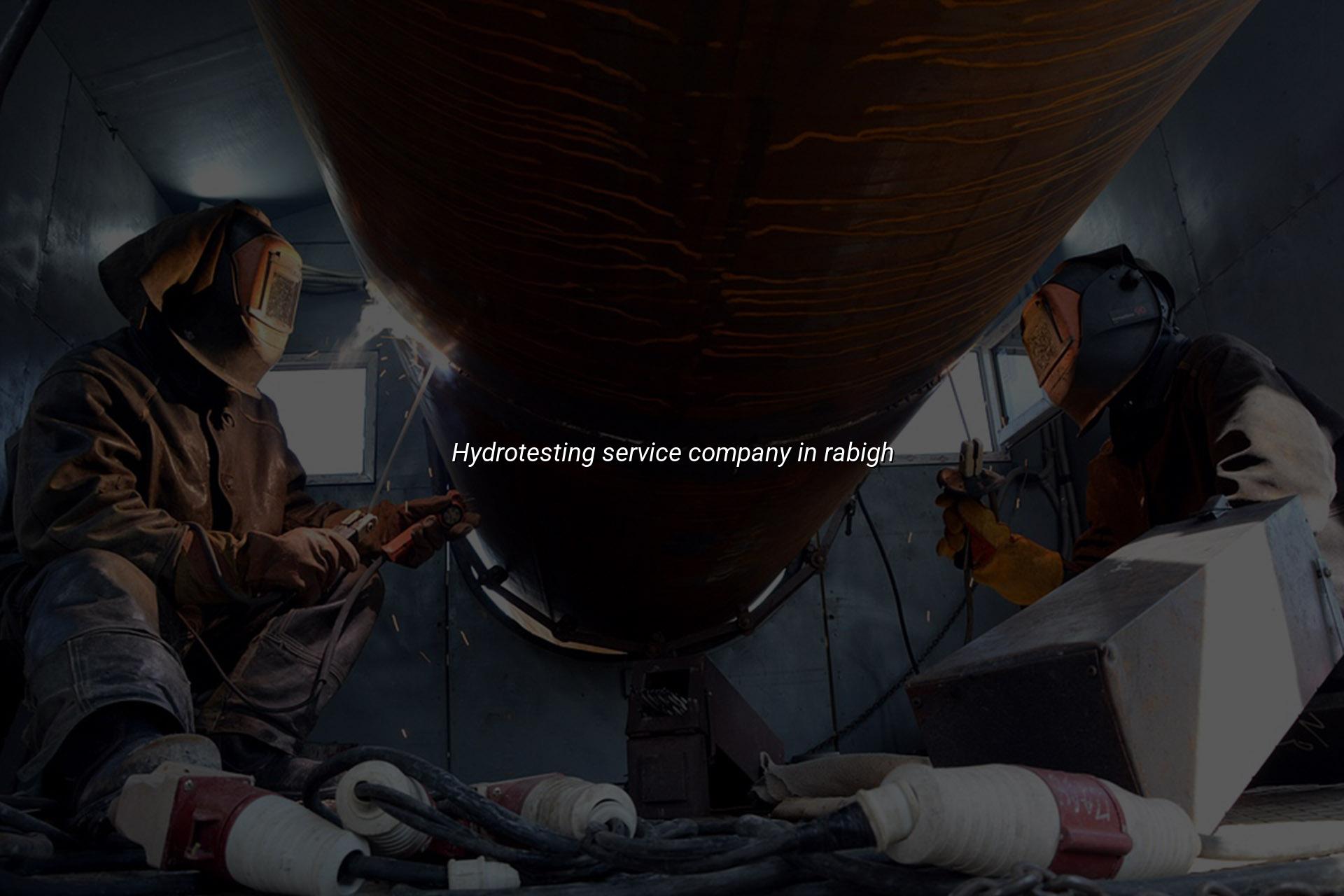
Hydrotesting service company in Rabigh is a search term people use when they need pipework, vessels or process lines proved before handover. If that is your job this page gives you the practical side: what gets tested, what usually holds up the job, and how we handle field work around Rabigh’s industrial plants.
We work with maintenance teams, QA staff and project managers who need pressure testing done with discipline. In Rabigh, that usually means refinery and petrochemical work, utility piping, shutdown scopes, skids, manifolds and mechanical packages where the paperwork has to match the test result.
How a Hydrotesting Service Company in Rabigh Plans the Job
A proper hydrotest starts long before water enters the line. We look at design pressure, test medium, isolation points, venting, temporary blinds, gauge selection and the condition of the joints. On a Rabigh site, that planning matters because you often have live plant interfaces, strict permit control and a short shutdown window.
What usually gets tested
Most calls involve process piping, small-bore lines, headers, tanks, heat exchanger circuits and spools that need proof of integrity before commissioning or restart. We also see hydrotest work tied to flange weld checks, repair verification and package testing for skids that are being prepared for handover.
Where field issues show up
The weak points are familiar: poor venting, trapped air, temporary connection leaks, unclean joints, loose blind management and gauges that are not suited to the test range. In our experience, the job usually goes smoother when the line is cleaned, the fill route is clear and the crew knows who is watching each valve.
- Review the scope — confirm the line list, design data, test limits and isolation points before the crew starts.
- Prepare the system — clean the line, install blinds, fit calibrated gauges and set up vents and drains.
- Fill and de-air — fill slowly, bleed trapped air and watch for unexpected seepage around joints and accessories.
- Hold and inspect — raise pressure in a controlled way, maintain the agreed hold period and check every accessible point.
- Use calibrated pressure gauges and record the serial numbers on the test pack.
- Keep the test medium, temperature and hold pressure in the same record.
- Plan for venting early; air pockets waste time and confuse the reading.
- Protect nearby equipment from water ingress, especially in utility areas and crowded skids.
Hydrotesting Checks We Commonly See in Rabigh Projects
| Scope | What We Check | Why It Matters |
|---|---|---|
| Piping circuits | Isolation, fill path, vents, joints and pressure holds | Confirms the line can take the intended operating load |
| Vessels and tanks | Seams, nozzles, supports, access points and seepage | Helps spot weak points before service or recommissioning |
| Skids and package lines | Connections, instruments, temporary blinds and drainage | Protects compact systems where one leak can stop the whole package |
| Repair verification | Post-repair joints, flange work and reassembled sections | Shows the repair holds under pressure before release back to service |
What Good Hydrotesting Looks Like On Site
Good hydrotesting is controlled work, not a rush to pressure. The crew needs the right hoses, test pump, manifolds, isolation hardware and a clear line of communication. We keep that focus because a test in an industrial zone near Rabigh often sits inside a larger mechanical shutdown, and one missed step can delay the whole permit chain.
Why records matter
Test reports, gauge details, acceptance results and observations should be easy to follow later. That helps operations teams, QA teams and contractors who need evidence during handover, and it helps when a repair has to be traced back months later.
Field setup that saves time
We often see the job move faster when the client gives us access to the line list, permit route and boundary drawings early. That lets us arrive with the right manifolds, comparators, hoses and supporting tools instead of guessing on the day.
Why Rabigh Sites Ask for Hydrotesting Before Handover
Rabigh work often sits around oil and gas, petrochemical and utility systems where pressure integrity is not negotiable. A clean hydrotest gives the client a practical check that welds, flanges and reassembled joints are holding as expected. It also gives the contractor a chance to catch small problems before the unit is put back into service.
We usually see hydrotesting linked to commissioning, turnaround work, piping modifications and repair closure. If the system has been opened, cut or reassembled, pressure testing is the step that tells everyone the physical work matches the drawings and the site standard.
- Helps confirm integrity before energising or introducing process media.
- Supports mechanical handover packages and punch-list closure.
- Fits repair scopes where flange work or cold cutting has changed the line.
- Gives QA teams a traceable record for future maintenance reviews.
How Mayon Industrial Services Can Help
We support hydrotesting with the same practical approach we use across mechanical services, calibration and commissioning work. That means pressure test support, hydrotest manifolds, calibrated instruments, flange work, repair verification and field documentation that your team can file without extra editing. If your Rabigh scope needs both testing and mechanical support, we can keep the work under one coordinated plan.
Call +91 99447 80844 (India) or +966 59 633 8012 (Saudi Arabia), email services@mayonservices.com, or message us on WhatsApp.
Frequently Asked Questions
We usually test piping circuits, vessels, tanks, skids and repaired sections that need proof of pressure integrity. The exact scope depends on the line list, drawing package and the site permit plan. If your job includes flange work, shutdown repairs or commissioning, we can fold those checks into the same field scope.
Yes. Shutdown work is one of the common reasons clients call us, because the test has to fit around isolation, reinstatement and handover steps. We plan the test setup around the available window so the crew is not waiting around for missing blinds, gauges or manifolds.
We do. Our product line includes hydrotest manifolds, pressure comparators, dead weight testers and related hydraulic equipment, which helps when a site needs both the service and the hardware. That saves a lot of back-and-forth when the plant wants one vendor handling the field test setup.
We use calibrated instruments and can support the calibration side through our ISO/IEC 17025:2017 compliant laboratory and mobile calibration lab. That matters when the client needs traceable gauges, temperature instruments or pressure-related checks documented properly. If an instrument needs special handling, we can also arrange pick-up and delivery.
We serve clients in Saudi Arabia from Dammam Industrial City 2 through SMC Engineering Services / Sixfaces Maintenance Co, and we also work across India from our head office in Medavakkam, Chennai. Our project footprint extends through India, Saudi Arabia and the wider Middle East. That regional setup is useful when a client has parallel work in more than one plant.
Send us the line list, drawing pack, test pressure details, isolation points and any site permit requirements you already have. If the scope includes related work like flange testing, commissioning or repair verification, include that too so we can bring the right tools and people. The cleaner the scope, the easier the field day goes.
Ready to get the pressure test done properly?
If you need a hydrotesting service company in Rabigh, we can help with field setup, instruments and the mechanical support that keeps the job moving.
Contact Mayon