
Inspection Lab Setup Consulting in Haradh
Plan a practical inspection lab with the right layout, equipment, calibration traceability and workflow from day one.
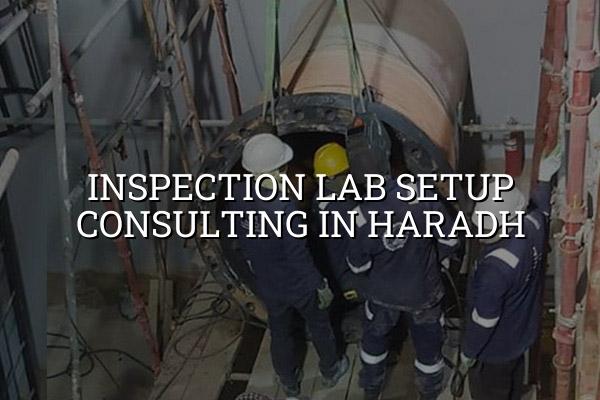
Inspection lab setup consulting in Haradh helps you build a lab that works on the floor, not just on paper. You get clearer equipment choices, better room flow, and a setup that supports traceability from the first day of operation.
We handle projects for industrial clients across Saudi Arabia and the wider Middle East, where inspection work often sits alongside maintenance, lifting equipment checks, NDT support and calibration control. In Haradh, that usually means planning around uptime, harsh site conditions and the need for disciplined records that stand up to audits.
Inspection Lab Setup Consulting in Haradh for Real Industrial Use
A working inspection lab needs more than benches and cabinets. You need the right test flow, controlled storage for instruments, safe segregation for dirty and clean items, and a calibration plan that supports the inspection activity itself. For many oil, gas, petrochemical and construction teams near Haradh, the biggest pain point is not buying equipment; it's arranging the lab so people can use it without confusion, rework or missed records.
What we look at before anything is ordered
We usually start with the inspections you expect to perform, the standards you must follow and the size of your instrument mix. A lifting-equipment inspection room needs a very different layout from a small QA lab handling gauges, torque tools and electrical test gear. We also look at environmental needs, because a temperature-controlled room, dust control and stable power can make the difference between tidy records and constant corrective work.
Why Haradh projects need practical planning
Haradh sits inside a working industrial belt, so downtime matters. People often ask for a lab that can grow later, and that makes sense. We usually recommend a layout that leaves space for incoming instruments, quarantine checks, calibration due items and final release. If the lab will support lifting inspection, NDT coordination or PPE control, the paperwork flow needs to be simple enough for technicians to follow on a busy shift.
- Define the scope first — list the inspection types, instruments and standards the lab must support, then separate essential items from optional ones.
- Map the room flow — plan receiving, cleaning, checking, testing, reporting and storage so items do not cross each other in a messy loop.
- Select equipment around the work — choose benches, reference devices, weighing systems, gauges, computers and storage based on actual use, not catalog noise.
- Set traceability controls — create calibration records, status labels and release rules that support ISO/IEC 17025:2017 expectations where applicable.
- Keep incoming and released instruments physically separated.
- Use clear status tags so technicians know what is due, under test or ready to issue.
- Plan bench height, lighting and power points before equipment purchase.
- Include room for documents, spares and calibration accessories from the start.
- Avoid placing sensitive work near dust, vibration or heat sources.
Typical Decisions During Inspection Laboratory Setup
| Planning Area | What It Affects | Why It Matters |
|---|---|---|
| Room layout | Receiving, testing and release flow | Reduces mix-ups and keeps instruments moving in one direction |
| Reference equipment | Calibration and verification control | Supports traceable results and better audit readiness |
| Storage method | Asset protection and status control | Prevents damage, dust exposure and accidental issue of pending items |
| Documentation system | Reports, logs and labels | Makes inspections easier to review, repeat and defend during client checks |
Build an Inspection Lab That Can Stand Up to Audit Questions
In our work, the best labs are the ones that make sense to the people using them every day. That means labels that stay readable, equipment that is easy to access, and a clean route for items that need checking, calibration or repair. Where the lab supports inspection records, a simple system is better than a fancy one that nobody follows.
What good control looks like
Good control starts with consistent identification. We help clients create clear status classes for accepted, due, under hold and rejected items, along with a file trail that supports ISO/IEC 17025:2017 and ISO 9001:2015 quality routines. For electrical-related work, EURAMET CG-15 guidance may also be relevant for traceable calibration practice. If lifting or structural inspection is part of the scope, BS EN standards need to be reflected in the process and documentation too.
One setup, many uses
A well-planned inspection lab can support gauges, torque tools, electrical test devices, PPE review and coordination with NDT work. That saves floor space and cuts the number of handoffs between teams. It also makes training easier, because technicians can see where each item goes and why.
From Design Ideas to Commissioning and Handover
Some clients already have a room and just need the layout fixed. Others are starting from an empty shell in a plant or service yard. We can help with both. The important part is to make the lab workable before the first instrument arrives, because moving benches, sockets and cabinets later is always more disruptive than people expect.
Where needed, we also coordinate with related services such as calibration support, repair and maintenance, temperature-controlled storage planning and training for the technicians who will run the lab. That matters in Saudi industrial sites where one person may have to manage inspection, record keeping and equipment control in the same shift.
- Lab design review for available space and workflow.
- Equipment list planning based on inspection scope and instrument mix.
- Support for setup, placement and commissioning of the workspace.
- Documented handover steps for daily use by QA and maintenance teams.
How Mayon Industrial Services Can Help
Mayon Industrial Services helps clients plan inspection labs that fit the job, the site and the records you need to keep. We combine lab setup experience with calibration, inspection, mechanical services and training, so your workspace isn't designed in isolation from the real work it supports. If your Haradh project needs a practical start, speak with us and we'll help you shape the scope before purchase decisions are locked in.
Call +91 99447 80844 (India) or +966 59 633 8012 (Saudi Arabia), email services@mayonservices.com, or message us on WhatsApp.
Frequently Asked Questions
We usually cover scope review, room planning, equipment list support, layout flow, storage ideas and documentation controls. If the lab needs calibration or inspection coordination, we also look at how those records will be handled day to day. The goal is a workspace that the team can actually run without confusion.
We start with the inspection tasks, then match the equipment to those tasks. A lifting or PPE-focused lab doesn't need the same setup as a lab centred on torque tools, gauges or electrical verification. That sounds simple, but it saves a lot of money and wasted space.
Yes. A lot of projects begin with an existing room, and the main job is fixing the workflow, storage and control points. We can review the current space and suggest changes before you move equipment around for good.
That depends on the scope, but ISO/IEC 17025:2017, ISO 9001:2015, BS EN standards and EURAMET CG-15 can all come into the picture. We don't push a standard where it doesn't fit. We map the standard to the actual work being done.
Yes, we support clients across Saudi Arabia, India and the Middle East. Many of our projects are tied to industrial sites, maintenance teams, cold-chain facilities and service companies that need a practical setup and traceable records.
Ready to plan your inspection lab properly?
If you need inspection lab setup consulting in Haradh, we can help you shape the room, the process and the records before problems show up on site.
Contact Mayon