
Inspection Training in Khamis Mushait
Practical inspection skills for teams in Asir who need better checks, clearer reports, and safer decisions on site.
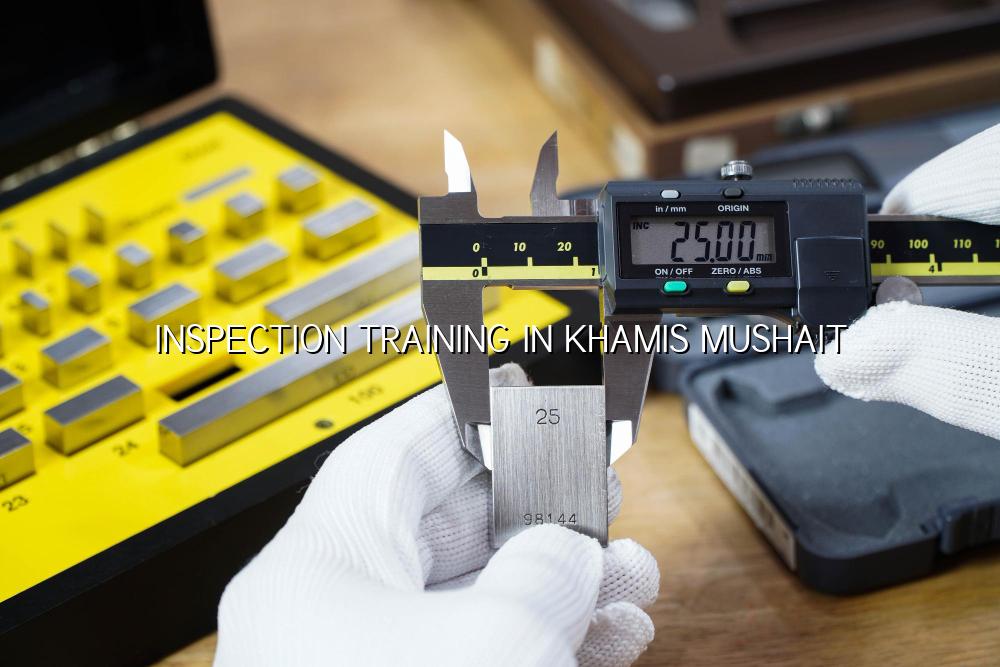
Inspection training in Khamis Mushait helps your team spot defects earlier, record findings properly, and make better calls before equipment goes back into service. We write this for supervisors, QA staff, and technicians who need training that works on real plant items, not classroom theory alone.
From Asir-region workshops and storage yards to Saudi industrial projects tied to oil & gas, power, and construction, inspection work has to stand up to BS EN expectations, site rules, and audit questions. That is where practical training makes a difference: clearer checks, stronger judgement, and reports people can trust.
Inspection training in Khamis Mushait for real site conditions
When a team asks for inspection training, the real need is usually simple: they want people who can inspect lifting gear, PPE, and other plant items with confidence, then explain the result without guesswork. Our sessions focus on the habits that matter in day-to-day operations — visual checks, defect recognition, measurements where needed, acceptance criteria, and the discipline of documenting what was seen, not what someone hoped to see.
Why teams in Khamis Mushait ask for it
We often hear from maintenance managers who have mixed crews, changing shifts, and equipment moving between sites. In that setting, a missed crack, a worn sling, a damaged plug, or a poor inspection note can create avoidable stoppages. Good training helps your people slow down at the right moment. Not all day. Just long enough to catch the problem before it becomes a safery issue or a rework headache.
What makes a useful session
A useful session is one your technicians can use the next morning. That means clear examples, plain language, and inspection records that match the job. We teach with the standards and site realities in mind, including BS EN-based lifting and inspection work, because teams in Saudi Arabia need documentation that stands up to client review, contractor checks, and internal QA audits.
- Start with equipment categories — identify what your team inspects, such as lifting accessories, PPE, portable tools, or plant items.
- Review the check points — look at wear, deformation, damage, labels, serials, and obvious safety risks before any detailed test.
- Apply the acceptance logic — separate acceptable condition, monitor, repair, and reject decisions so nobody relies on memory alone.
- Record the result properly — write notes, tag status, and follow-up actions in a way your supervisors can read later.
- Practical, site-based examples drawn from industrial inspection work
- Clear focus on lifting equipment, PPE, and common plant items
- Reporting habits that reduce confusion during audits and handovers
- Useful for teams working in Khamis Mushait, Abha, and nearby industrial zones
Typical inspection topics, formats, and outcomes
| Topic | What Your Team Learns | Typical Site Value |
|---|---|---|
| Lifting equipment inspection | Look for wear, deformation, missing tags, and unsafe condition before release | Better control over daily equipment checks |
| PPE inspection | Spot damage, expiry, and misuse signs on the items people wear every shift | Cleaner handover of safe-use decisions |
| Report writing | Log findings clearly so supervisors can act without calling the inspector back | Fewer disputes over what was found |
| Inspection discipline | Use a repeatable sequence, from visual review to status tagging and follow-up | More consistent results across shifts |
How better inspection habits reduce rework and downtime
Most inspection problems don't start with a dramatic failure. They start with small misses: a tag that wasn't read, a body of equipment that was only half checked, or a report that was too vague to act on. Training fixes those habits at the source. The aim is not paperwork for its own sake. The aim is reliable decisions that protect people and keep production moving.
For supervisors and QA teams
Supervisors usually want the same thing from inspection staff: consistency. If one person flags a sling and another lets a similar one pass, the system loses trust. We address that gap by showing how to use the same inspection sequence every time, how to note damage properly, and how to escalate findings when an item should not return to service.
Made for industrial teams in Saudi Arabia
We keep the examples grounded in the kind of work seen across Khamis Mushait, the wider Asir region, and contractor environments tied to power, construction, logistics, and maintenance. If your people also handle lifting gear, portable appliances, or site inspection records, the training can be framed around those exact tasks.
Common inspection issues worth training out
Missing records
People inspect the item, then forget the note. That causes trouble later when the same item returns for use.
Weak visual checks
Inspectors often focus on the obvious and miss the small cracks, corrosion points, or damaged markings that matter.
Mixed pass/fail logic
If the team does not share one decision rule, items get treated differently from shift to shift.
Poor handover
A clear tag and a short note save time. A vague comment does not help anyone on the next shift.
Who benefits most from inspection training?
The short answer: anyone who signs off equipment, checks condition, or relies on inspection reports before work starts. That usually includes maintenance technicians, HSE staff, QA/QC teams, store supervisors, and contractor leads. In some projects, the biggest win is not technical depth. It is simply giving every person the same inspection language so discussions become quicker and cleaner.
We can also adapt the discussion for teams that work alongside calibration, repair, or commissioning functions. When your group already handles instruments, tools, or plant assets in the same location, it helps when inspection training fits your workflow instead of fighting it.
How we structure the session
We begin with the items your people actually see on site, then move through practical checks, defects, and documentation. If you need it, we can link the session to laboratory work, mobile calibration support, or maintenance planning so the learning feels connected to daily operations.
Training that fits live operations
Our team works across India, Saudi Arabia, and the Middle East, so we understand the mix of site conditions, contractor interfaces, and equipment movement that makes inspection training worthwhile. If your operation runs between workshop areas and field locations, we can keep the examples close to that reality.
How Mayon Industrial Services Can Help
We support clients with inspection services, calibration services, condition monitoring, mechanical services, and lab setup, so the training conversation is never isolated from the bigger plant picture. If your team needs inspection training in Khamis Mushait, we can shape the session around the equipment you actually use and the records you need to keep. That makes it easier for your people to apply the lesson on the shop floor, in the yard, or at the client site.
Call +91 99447 80844 (India) or +966 59 633 8012 (Saudi Arabia), email services@mayonservices.com, or message us on WhatsApp.
Frequently Asked Questions
It usually covers visual inspection, defect spotting, acceptance logic, and how to write a proper report. We can frame it around lifting gear, PPE, portable tools, or other equipment your team handles every day. The idea is to make the checks repeatable and easier to defend during review.
Yes. That is one of the most common requests we get from industrial teams. We can cover the practical signs of damage, tag control, and the decision points that help staff separate safe items from ones that need attention or removal from service.
Yes, and that usually gives the best result. If your work is tied to Khamis Mushait, nearby industrial areas, or contractor sites in the wider region, we can tune the examples to match your equipment list and inspection workflow. That keeps the session practical instead of generic.
Good training makes records clearer, decisions more consistent, and follow-up actions easier to track. Audit teams usually notice when inspection logs show a repeatable method rather than scattered notes. That kind of discipline also helps your own supervisors trust the status of the equipment.
Yes. Many clients combine it with inspection services, calibration work, or maintenance support so the inspection process and the rest of the asset care program stay aligned. If you also need lab setup, condition monitoring, or mechanical support, we can discuss that in the same conversation.
Ready to improve inspection confidence on site?
If your team needs practical training that fits real plant work in Khamis Mushait, talk to us and we’ll shape the next step around your equipment and records.
Contact Mayon