
Inspection Training in Abha
Practical training for teams that inspect equipment, keep records clean and work to BS EN expectations on real industrial sites.
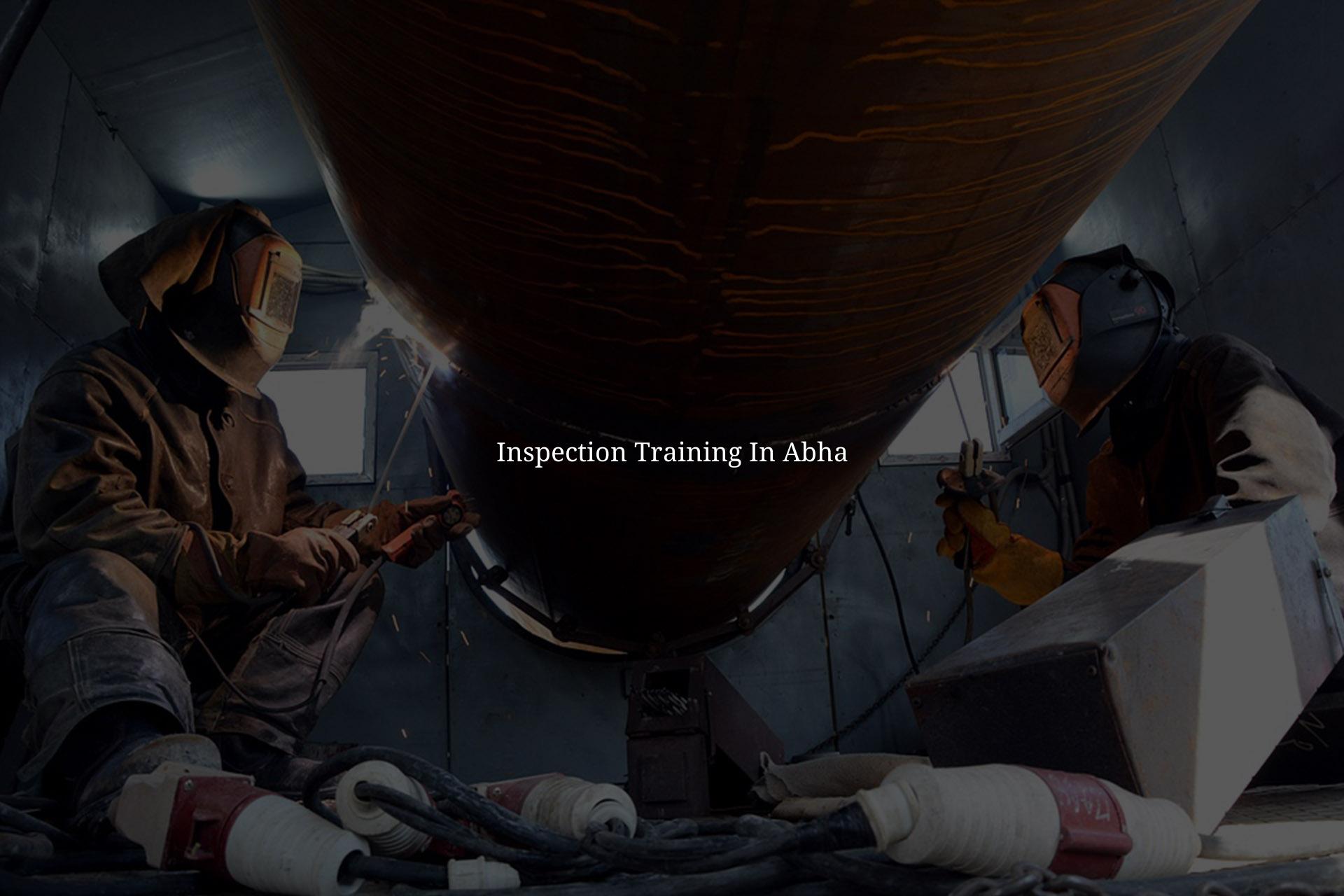
Inspection training in Abha helps your team spot defects early, keep inspections consistent and write records that stand up to audits and client review. If you're running lifting gear checks, PPE inspections or field NDT support, the goal is simple: fewer surprises and cleaner decisions.
We built this topic around the work we see across Saudi Arabia and the wider Middle East, where maintenance teams need practical inspection habits, not classroom theory alone. In Abha and nearby industrial areas, that usually means safer equipment handling, better traceability and stronger control over BS EN-based inspection routines.
What inspection training in Abha should cover
Good inspection training is not just about spotting damage. It should teach your inspectors how to decide what matters, record it in a way that a supervisor can trust, and separate a routine finding from a safety issue that needs action now. For industrial teams, that matters on cranes, slings, shackles, hand tools, pressure-related equipment and PPE, where a missed detail can become a work stoppage or a safety event.
Who needs the training?
We usually see maintenance supervisors, QA officers, HSE staff, store teams and junior inspectors come in with different starting points. Some know the equipment well but need structure. Others are good with forms but need to understand what a real defect looks like in the field. Inspection training in Abha works best when those gaps are addressed together, using the kind of equipment your site actually handles.
What makes the approach practical?
Practical training uses real examples, good photos and a clear method for pass or fail decisions. It should also show how to handle serial numbers, calibration references where relevant, inspection tags, non-conformance notes and escalation. That way, your team does not rely on memory when the pressure is on.
- Start with the asset list — identify which tools, lifting items, PPE or support equipment your team inspects and how often each one should be checked.
- Review the defect examples — use worn slings, bent hooks, cracked casings, damaged insulation or missing labels so people learn to judge real conditions.
- Practice the recording method — write inspection findings the same way every time, with clear status, location, date and inspector name.
- Close the loop — show how failed items are isolated, reported and tracked until the corrective action is complete.
- Use equipment samples from your own site, not generic classroom props.
- Teach inspectors how to read BS EN inspection expectations before they sign any report.
- Keep photo evidence with the inspection record when a defect is not obvious in writing.
- Separate visual checks from detailed inspections so nobody mixes the two.
- Make sure every trainee knows when to stop work and escalate a finding.
Typical inspection focus by equipment type
| Equipment type | Common checks | Why the training matters |
|---|---|---|
| Lifting gear | Wear, deformation, tag status, visible damage | Helps prevent unsafe use and poor lifting decisions |
| PPE | Integrity, expiry marks, condition, correct issue record | Keeps site workers from using damaged protection |
| NDT support items | Surface condition, identification, suitability for service | Improves traceability during inspection work |
| Field tools | Damage, missing parts, fit for purpose, escalation route | Supports safer maintenance and better housekeeping |
Why records matter as much as the inspection itself
A site can have decent inspectors and still lose control if the records are vague. We see this in plant rooms, warehouses and workshop areas all the time: one person writes "OK" while another writes a detailed note, and nobody can tell what changed. Training should fix that. It should teach clear language, repeatable check points and a clean trail from observation to action.
That audit trail is the point
When your team can show who inspected the item, what was found, and what happened next, the whole maintenance system becomes easier to trust. That helps in internal review, client audits and day-to-day decisions, especially where BS EN-based lifting and inspection practices are expected. In our experience, the sites that treat records seriously also spend less time arguing about old findings.
Built for site reality
Abha teams often need training that fits live work, not a neat classroom script. That means inspection forms, defect photos, tag systems, stop-work rules and handover habits all get covered in a way people can actually use the next day.
How teams usually take this training
Pre-training review
We look at the equipment types, inspection forms and reporting habits already used on site. That helps shape the examples around your real work, not a generic checklist.
Classroom and field discussion
The team learns the inspection logic, then talks through findings from actual samples, photos or site scenarios. People remember better when they can see the defect and explain it back.
Record and follow-up
The final part covers how to issue findings, track corrective actions and keep the file in order for supervisors, auditors and client teams.
How Mayon Industrial Services Can Help
We support inspection training with the same industrial mindset we use in calibration, mechanical services, inspection and engineering work. If your team also needs lifting-equipment inspection, NDT support, PPE inspection or calibration discipline around the instruments used in your records, we can line that up around your site needs in Saudi Arabia, India and the Middle East.
Call +91 99447 80844 (India) or +966 59 633 8012 (Saudi Arabia), email services@mayonservices.com, or message us on WhatsApp.
Frequently Asked Questions
It usually covers how to examine equipment, spot defects, write clear findings and decide when an item must be removed from service. For site teams, we also include record control, photo evidence and the reporting flow so the inspection doesn't stop at the checklist.
Yes, it suits people who inspect slings, shackles, hooks, attachments and related lifting accessories. We focus on practical defect recognition, safe rejection decisions and the kind of reporting that supports lifting control on active sites.
Yes, we can shape the session around BS EN expectations where lifting and inspection work needs that level of structure. The aim is to make the standard usable for the people on the floor, not just something that sits in a binder.
We do. PPE inspection training covers visual condition, usability, issue records and the signs that tell you a helmet, harness or other item should be taken out of service. That matters in plants, warehouses and maintenance yards where PPE gets used hard.
Yes, that's often the best way to do it. We can tailor the examples to your equipment mix, your inspection forms and your reporting process, so the team sees familiar equipment rather than a generic demonstration.
Ready to tighten up your inspection process?
If your team in Abha needs clearer inspections, better records and stronger confidence on site, we’re ready to help you plan the next step.
Contact MayonInspection training works best when it matches the work your team actually does. If you need that kind of practical support in Abha, Mayon Industrial Services is a solid place to start, and we’ll help you build a process your inspectors can trust.