
Inspection Training in Mecca
Practical training for site inspectors, supervisors and maintenance teams who need safer checks and cleaner documentation.
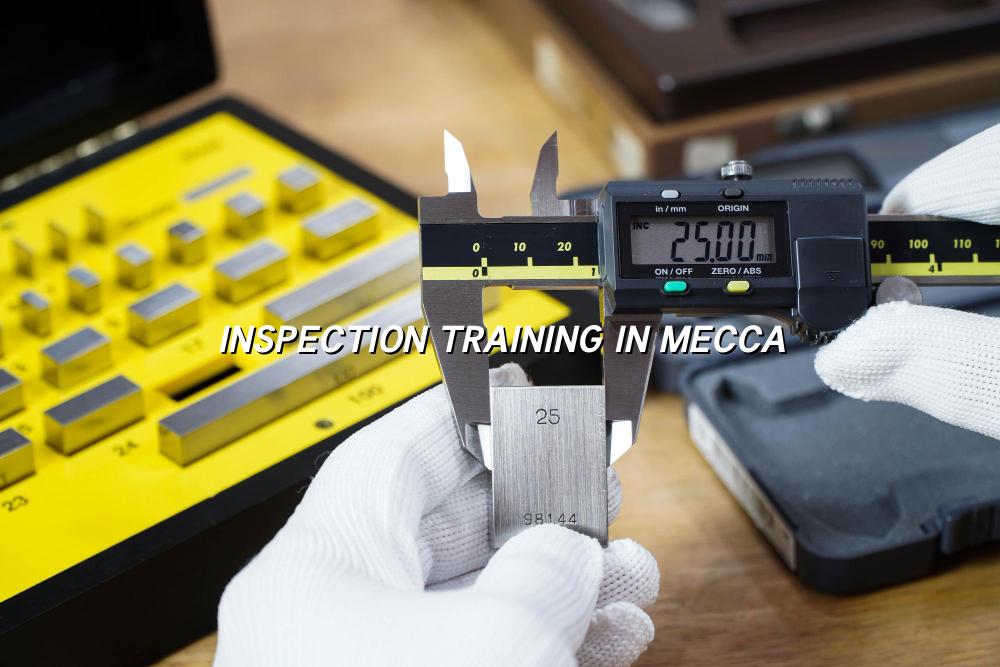
Inspection training in Mecca helps your team spot defects earlier, record findings properly and work with more confidence on real industrial sites. If you're responsible for lifting gear, PPE, NDT records or routine checks, this page shows what good training should cover and how it supports safer decisions.
We see the same pattern across Saudi projects: teams know the equipment, but they want a sharper method for field inspection, reporting and follow-up. That matters in Mecca too, especially where contractors, facility teams and maintenance crews need practical guidance that fits BS EN standards and day-to-day work.
Why inspection training in Mecca matters on real sites
Inspection training in Mecca is not just about learning a checklist. Your team needs to understand what to inspect, what to measure, what to reject and when to escalate a finding before it turns into a shutdown, a dropped-load risk or a failed audit. For lifting equipment, PPE and site safety checks, that practical judgement is what separates a routine walk-through from a proper inspection.
Building confidence in field checks
We train technicians and supervisors to look at equipment the way an experienced inspector does. That means reading wear patterns, checking identification and load information, confirming visual condition, and knowing which defects need immediate action. In Saudi industrial settings, especially around logistics yards, workshops and construction compounds, that skill saves time and avoids half-done reports.
Getting the paperwork right
A good inspection is only useful if the record is clear. Teams need to write findings in a way that a maintenance manager, QA lead or client rep can use without chasing for clarification. Our approach keeps the language plain, the sequence logical and the evidence traceable, which helps when you are dealing with contractor files, internal audits or customer handover packs.
- Start with the asset register — confirm the item ID, location, duty and last inspection record before touching the equipment.
- Inspect visually first — look for cracks, corrosion, missing tags, distortion, loose parts and signs of abuse.
- Measure and test where needed — use the right gauges, electrical checks or functional tests for the item category.
- Record the result clearly — note pass, fail or restricted use, then write the defect in plain language.
- Escalate without delay — remove unsafe equipment from service and send it for repair, retest or replacement.
- Train inspectors on BS EN-based lifting-equipment and PPE checks, not generic classroom examples.
- Use real site photos from your own equipment where possible; people learn faster when the image looks familiar.
- Include defect recognition for hooks, slings, shackles, harnesses, lanyards and anchors.
- Make sure the team knows when to stop work and call for a second opinion.
- Keep inspection forms short enough that people actually use them on site.
Inspection topics teams usually need in Mecca
| Topic area | What people learn | Why it matters |
|---|---|---|
| Lifting gear inspection | Slings, shackles, hooks, spreader beams and identification checks | Helps stop unsafe lifting accessories from staying in service |
| PPE inspection | Harnesses, lanyards, helmets, gloves and condition checks | Supports safer work at height and cleaner compliance records |
| NDT awareness | What NDT can reveal and when to call a specialist | Prevents guesswork on cracks, defects and hidden damage |
| Reporting method | Clear findings, defect notes and follow-up actions | Makes the inspection useful for QA, maintenance and clients |
How training supports safer work and cleaner audits
Good inspection training gives your team a repeatable method. That helps when the work is spread across workshops, plant rooms, warehouses or contractor yards. In our experience, once people learn how to inspect the same way every time, the quality of reports improves fast and the number of arguments over defects drops.
Useful for busy industrial teams
We design the discussion around real work, not theory. A supervisor in Mecca who handles lifting accessories one week and PPE checks the next needs a method that works under pressure, with limited time and a client waiting for answers. That's why we keep the content focused on practical judgement, documentation and safe escalation.
Training that fits Saudi field conditions
We can align inspection training with the realities of Saudi industrial work, including contractor turnover, mixed equipment brands and the need for traceable records. If your team also needs calibration, maintenance or inspection support, we can help you build one workable plan instead of juggling separate vendors.
How Mayon Industrial Services Can Help
We support teams that need more than a slide deck. Along with inspection training in Mecca, our team can help with inspection services, NDT support, calibration, mechanical services and related site engineering work, so the training connects to the equipment you actually use. If you want practical instruction for inspectors, supervisors or maintenance staff, we can help you plan the next step.
Call +91 99447 80844 (India) or +966 59 633 8012 (Saudi Arabia), email services@mayonservices.com, or message us on WhatsApp.
Frequently Asked Questions
It usually covers visual inspection methods, defect recognition, documentation, safe rejection criteria and the basic checks needed for lifting gear or PPE. For some teams, we also include how to handle follow-up actions when an item fails. The exact content depends on the equipment on your site.
Yes, we can. Most teams don't need a generic session; they need training around the gear they actually use, like slings, shackles, hooks, harnesses, lanyards and helmets. That makes the class more useful on day one.
Yes. We reference BS EN standards where they apply to lifting and inspection work, and we keep the discussion practical so your team understands how the standard affects real checks and records. We don't overload people with theory they won't use.
We can support you with inspection services, calibration and other engineering work when the training leads to an equipment issue or a verification need. That helps keep your inspection process connected to real corrective action instead of staying as classroom notes.
Honestly, that's where it works best. Maintenance teams need to know what is safe to keep running, and QA teams need records they can trust. When both groups understand the same inspection method, handover becomes much cleaner.
No. We work from India and Saudi Arabia and support clients across Saudi Arabia and the wider Middle East. If your team is in Mecca, Dammam or elsewhere in the region, we can discuss the right setup for your site and equipment.
Ready to improve inspection skills on site?
If your team needs clearer checks, better records and safer decisions, talk to us about a practical training plan for Mecca and the wider Saudi market.
Contact Mayon