
Inspection Training in Arar
Practical inspection skills for site teams, maintenance staff and supervisors working in Arar and across northern Saudi Arabia.
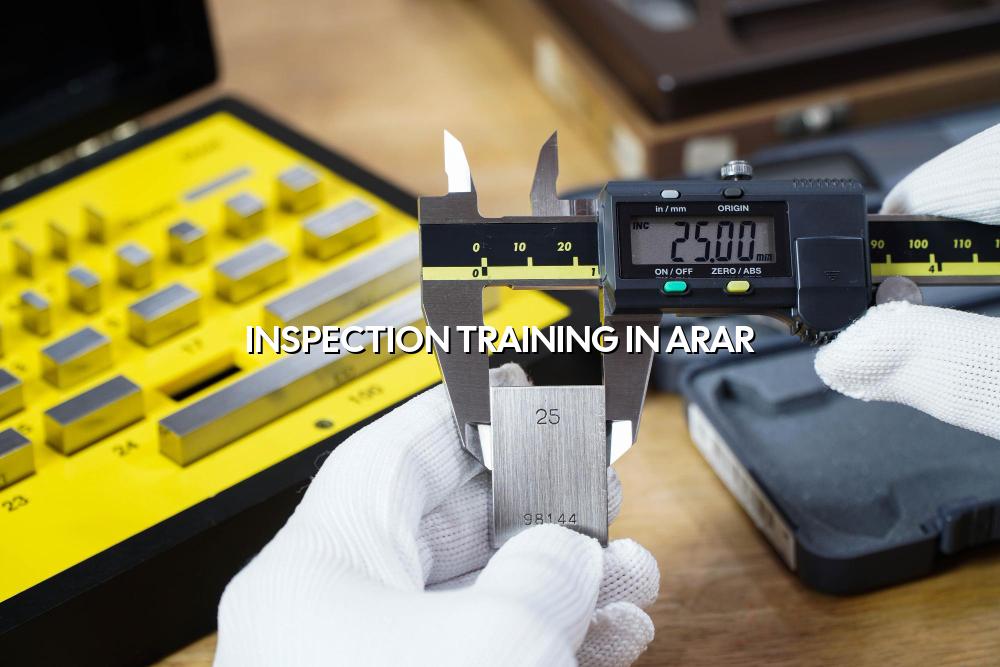
Inspection training in Arar gives your team the practical know-how to spot defects early, record findings properly, and keep plant equipment safe to use. If you're responsible for lifting gear, PPE checks, or routine site inspections, this page shows what the training should cover and how it supports day-to-day work.
We built this page for maintenance managers, QA teams, and supervisors working in Arar and the wider Northern Borders region. In our work across Saudi Arabia, the strongest inspection teams are the ones who can apply standards on the shop floor, not just repeat theory in a classroom.
What inspection training in Arar should cover
A good inspection course is practical. It should show your team how to inspect lifting accessories, identify wear on slings and shackles, check PPE condition, and document results in a way that stands up during internal review or third-party audit. For many clients, the first gap is simple: people know something looks wrong, but they can't describe the defect clearly or decide whether the item should be kept in service.
Why teams in Arar ask for this training
Arar has a mix of industrial sites, logistics yards, construction work, and service operations that all depend on safe equipment. When an inspection is done badly, the problem usually shows up later as unplanned downtime, rejected tools, or a safety issue that could have been avoided. We see the same pattern again and again: training works best when the examples come from the exact equipment people use on site.
What makes it useful on the floor
The best sessions are hands-on. Trainees should handle sample items, read markings, compare acceptable and failed conditions, and practise filling out inspection records. If your team deals with lifting equipment, NDT checks, or PPE review under BS EN standards, the training should be tied to the actual forms and methods used in your plant, not generic classroom notes.
- Start with the item type — classify the equipment first, such as lifting accessories, work-at-height PPE, or general site tools.
- Check the visible condition — look for deformation, cracks, corrosion, loose parts, missing tags, and signs of overloading.
- Confirm the identification details — match serial numbers, safe working data, and inspection status to the record sheet.
- Decide the action — pass, quarantine, repair, or remove from service based on the observed condition and site rules.
- Use real site samples from cranes, slings, shackles, or PPE instead of only slides.
- Keep inspection tags legible, dated, and linked to the equipment register.
- Train supervisors to recognise when an item needs quarantine before a shift starts.
- Include basic defect photos so teams can compare good and failed conditions later.
Typical topics covered in inspection training
| Topic | What trainees learn | Site value |
|---|---|---|
| Lifting equipment inspection | How to identify wear, distortion, and missing identification | Helps prevent unsafe lifting and rejected gear |
| PPE inspection | How to check helmets, harnesses, gloves, and safety footwear | Supports safer work at height and routine plant work |
| Defect reporting | How to record findings clearly with pass/fail status | Makes follow-up easier for supervisors and QA teams |
| Removal from service | When and how to quarantine suspect items | Stops damaged equipment from getting back into use |
How the training supports safer inspections
Inspection training is not just about spotting damage. It helps your team make consistent decisions, which matters when several supervisors are checking the same equipment over different shifts. For companies working under ISO 9001:2015 quality systems, that consistency makes records cleaner and internal audits a lot easier to manage.
Where the detail matters
We usually focus on defect recognition, tag control, record keeping, and the handover between operations and maintenance. In practice, that means less confusion about what failed, who checked it, and what happens next. If your operation uses third-party lifting-equipment inspection or regular PPE inspection, the training should match the same discipline your site expects every day.
Built for real industrial use
We structure sessions for plant teams, warehouses, fabrication yards, and project sites where equipment moves fast and errors are expensive. That includes practical examples for Oil & Gas, Petrochemical, Power, Construction, Healthcare, Pharmaceutical, Cold Chain, Food & Beverage, Manufacturing, and Engineering sites.
Training outcomes your team can use right away
Better defect spotting
People learn what a real defect looks like, not just what it sounds like in a manual. That helps them catch damaged hardware before it becomes a shift-end problem.
Cleaner records
Teams practise writing inspection notes that are specific, dated, and easy to trace. That saves time when a manager asks for the last check or the latest condition report.
Quicker isolation of bad items
Once people know the quarantine rule, damaged equipment doesn't sit around in a corner waiting for someone else to deal with it. That alone reduces repeat misuse.
How Mayon Industrial Services Can Help
We support inspection training with the same field experience we use in lifting-equipment inspection, NDT, PPE inspection, and industrial maintenance work. If your team in Arar needs a training session that reflects real plant conditions, we can shape it around your equipment, your forms, and the standards your site already follows. We also help with calibration, condition monitoring, mechanical services, and lab setup when the bigger picture includes measurement control and equipment reliability.
Call +91 99447 80844 (India) or +966 59 633 8012 (Saudi Arabia), email services@mayonservices.com, or message us on WhatsApp.
Frequently Asked Questions
It usually covers how to inspect equipment, how to spot obvious and hidden defects, and how to record the result properly. For many sites, we also include lifting gear, PPE, and basic quarantine steps so supervisors know what to do when something fails.
Yes. Maintenance teams need to know when a part is safe to keep using, and supervisors need a clear decision trail for the shift record. When both groups work from the same inspection standard, fewer items get missed and fewer decisions get argued later.
Yes, we can align the session with BS EN expectations for lifting and inspection work. That matters when your team handles lifting accessories, site checks, or related inspection records and needs the training to match the way your facility already works.
Yes, because that's where a lot of sites slip. The inspection itself is only half the job; the other half is making sure damaged equipment is tagged, isolated, and kept out of circulation until the next approved action is taken.
We work from Saudi Arabia and support clients across the Middle East, with operations tied to Dammam Industrial City 2. That makes it easier to coordinate with industrial teams in the region who need practical training and inspection support without long delays in communication.
Ready to improve inspection confidence on site?
If your team needs inspection training in Arar that feels relevant to real plant work, we're ready to help you set it up.
Contact Mayon