
Inspection Training in Duba
Practical training for teams who need sharper inspection skills, cleaner reports, and better site decisions.
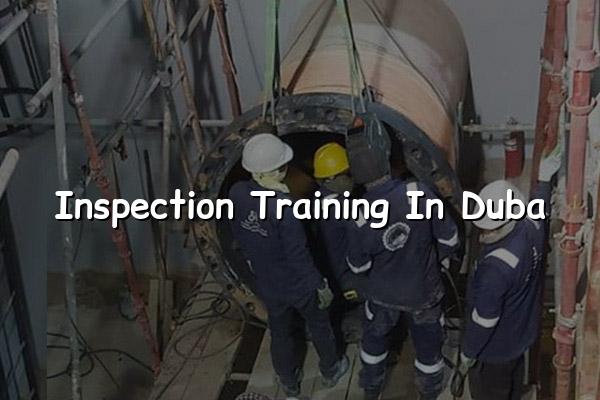
Inspection training in Duba helps your team spot defects earlier, write better findings, and make safer calls on lifting gear, PPE and plant. If you've had inspection notes returned with missing detail or weak evidence, this page shows what good training should cover and how it fits real work on site.
We work with maintenance crews, QA teams and supervisors who need inspection habits that stand up in Saudi industrial zones, GCC projects and Indian manufacturing plants. The goal isn't theory for a binder shelf. It's practical inspection work that matches how people actually use equipment, record issues and hand over reports.
What inspection training in Duba should teach your team
Good inspection training has to do more than explain what a defect looks like. It should train people to inspect safely, use a checklist without turning into a tick-box exercise, and record the right evidence for handover, repair or rejection. In our experience, teams make the most progress when they practise with real items such as slings, shackles, ladders, safety harnesses, pressure systems, small rotating equipment and site accessories that keep showing up in daily work.
Why the report matters as much as the inspection
A clean report saves time. If the note says where the fault is, what the risk is and what happened next, a supervisor can act without chasing the inspector for extra context. That matters on shutdown jobs, lifting operations and planned maintenance windows where decisions have to be quick and traceable. For many clients, the reporting format is where inspection quality rises first.
Where the training gets practical
We usually focus on site conditions, access, lighting, contamination, tagging, isolation and the difference between visual checks and more formal inspection methods. The trainer should also explain when a job needs escalation, who signs off, and how BS EN expectations influence inspection of lifting equipment and PPE. If the team works around oil and gas, petrochemical, power or cold-chain assets, those examples need to be part of the session, not an afterthought.
- Start with the asset list — identify the equipment your people inspect most often, then match the training to those items.
- Show the defects in context — use cracked hooks, frayed webbing, corrosion, deformation and loose connections as real examples, not just slides.
- Practise the record — have trainees write findings, attach photos and classify the result the way your site actually files it.
- Check the handover — close the loop by showing how findings move to repair, quarantine or further testing.
- Use site items, not generic samples, during training.
- Include BS EN basics for lifting-equipment and PPE inspections.
- Teach people how to take photos that actually prove a defect.
- Build confidence in stop-work decisions when a finding is unsafe.
- Keep the checklist short enough that crews will use it properly.
Common inspection topics covered in the training room
| Topic | What trainees learn | Typical site use |
|---|---|---|
| Lifting accessories | Visual checks, deformation, tag status and rejection signs | Crane lifts, rigging and material handling |
| PPE inspection | Wear patterns, damage, expiry control and safe withdrawal | Harnesses, lanyards, helmets and gloves |
| Plant and site equipment | Leaks, loose fittings, corrosion and obvious unsafe condition | Workshop and maintenance rounds |
| Report writing | Clear findings, evidence photos and follow-up action | QA handover, audit trail and repair request |
How inspection training supports safer decisions
When inspection training is done properly, your team gets better at spotting the difference between minor wear and a real stop point. That helps reduce unnecessary downtime, but it also stops people from pushing questionable items back into service. For clients in Dammam, Chennai and other industrial hubs, that balance matters because one weak call can affect a lift, a shutdown or a handover.
What good trainers should cover
They should show how inspection links to escalation, repair, third-party verification and documented release. They should also explain why photos, tag numbers, serial references and location details matter. If your records are clean, the next engineer doesn't waste time guessing what was inspected or why it failed.
Built for field reality
We often see people know the theory but hesitate at the workface. A short, practical training session with real items, real defects and real paperwork usually fixes that faster than a long presentation. The best sessions leave people calmer, not just better informed.
What your team should be able to do after the course
Read the condition properly
Trainees should be able to identify obvious defects, note signs of wear and decide when a finding needs more than a visual check. That means they can inspect with more confidence on the next job.
Write a useful report
The report should explain what was inspected, what was found, where the issue sits and what action is needed. A supervisor should not have to rewrite it from scratch.
Act on the result
People should know when to tag out, escalate, quarantine or refer for repair and testing. That's the point where the training starts saving time and reducing confusion.
How Mayon Industrial Services Can Help
We can support inspection training with hands-on industrial examples drawn from our calibration, inspection, mechanical and maintenance work. That means your team sees how real equipment is assessed, what evidence matters, and how findings should move into repair, testing or controlled return to service. If you need training that fits your site, your gear and your paperwork, talk to us and we'll plan the right session with you.
Call +91 99447 80844 (India) or +966 59 633 8012 (Saudi Arabia), email services@mayonservices.com, or message us on WhatsApp.
Frequently Asked Questions
It usually covers how to check equipment condition, spot common defects, record findings and decide what happens next. For industrial sites, we keep the examples practical: lifting accessories, PPE, small plant and the paperwork that follows the inspection. That's the part teams tend to use every day.
Yes — that's one of the most common requests we get. We can cover lifting accessories, tags, visual rejection signs and the basic inspection points for PPE so your team can handle routine checks with more confidence. If your site follows BS EN expectations, we can keep the examples aligned to that kind of work.
Absolutely. Maintenance staff are often the first people to see leaks, loose parts, wear or damage, so they need to know when to stop, tag and escalate. In many plants, a short practical course for technicians does more good than a long theory session for only one department.
Yes. We support clients from Medavakkam, Chennai in India and from Dammam Industrial City 2 in Saudi Arabia, and we also work across the wider Middle East. Onsite training helps because we can use your own items, your own procedures and the actual conditions your team faces.
We start with the equipment list, then build the session around the defects and reports your people actually handle. If needed, we can include real inspection forms, photo examples and a short review of where the findings go after the course. That keeps it grounded and easier to use back at work.
Ready to improve inspection confidence?
If your team needs clearer findings, better records and a more practical way to inspect site equipment, we're ready to help.
Contact Mayon