
Inspection Training in Yanbu
Practical inspection training for Yanbu teams that need safer checks, clearer records, and better field decisions.
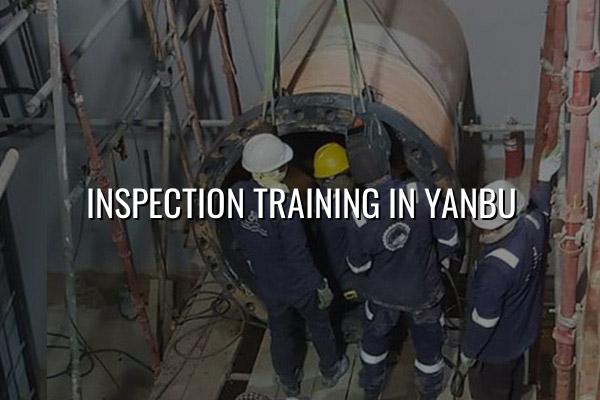
Inspection training in Yanbu helps your team read equipment with a better eye, spot defects earlier, and write records that stand up to site review. If you're managing lifting gear, PPE checks, or third-party inspection support, this page shows what the training should cover and how it fits day-to-day industrial work.
We work with teams that handle refinery maintenance, port activity, fabrication, and plant shutdowns across Saudi Arabia and the wider Middle East. In a place like Yanbu, where marine, petrochemical and power work often overlap, inspection skills need to be practical, traceable, and tied to BS EN expectations rather than classroom theory alone.
Inspection Training in Yanbu for Working Teams
Good inspection training is not about memorising terms. It’s about knowing what to look for on site, when to stop use, what to measure, and how to document the result without creating confusion for maintenance or QA. For Yanbu operations, that often means lifting accessories, slings, shackles, hooks, PPE, and the kind of plant equipment that gets handled every shift.
What your inspectors should be able to do
A trained inspector should recognise wear, deformation, corrosion, heat damage, cracked welds, missing markings, and failed functional checks before a small issue turns into a shutdown or incident. We also train people to compare the item in front of them with the relevant acceptance logic used on site, especially where BS EN standards and internal permit systems guide the decision.
Where Yanbu teams usually need the most help
Most teams call for support when inspections are being done by mixed-experience staff. One person may know the equipment well, while another knows the form but not the failure signs. That gap shows up fast in lifting gear inspection, PPE screening, and NDT support work, especially during turnaround periods or when contractors rotate in from other plants.
- Start with the asset list — group equipment by type, duty, and inspection interval so the team knows what falls under routine checks.
- Teach the visual baseline — use real samples and photos to show normal condition, common defects, and red-flag damage.
- Practice the decision path — train staff to pass, hold, reject, or escalate based on the finding and site rule.
- Close with documentation — make sure inspection notes, tags, and certificates are filled out in a way the maintenance team can actually use.
- Train on real lifting gear, not only slides and screenshots.
- Include BS EN-based inspection logic for lifting-equipment and PPE work.
- Cover defect recognition, tagging, reporting, and escalation steps.
- Use examples from refinery, fabrication, and marine-side operations in Yanbu.
What the Training Usually Covers
| Inspection area | Main skill taught | Typical workplace use |
|---|---|---|
| Lifting equipment | Visual checks, defect spotting, tag control | Crane support, rigging, shutdown lifting plans |
| PPE inspection | Condition review, expiry checks, fitness for use | Daily site entry and task-based protection |
| NDT support | Finding surface signs before test handover | Fabrication, weld quality review, maintenance checks |
| Site reporting | Clear records, rejection notes, escalation | QA folders, permit systems, contractor handover |
How training supports safer inspection decisions
Once the team knows what normal and abnormal look like, inspection becomes a cleaner decision-making process. That matters in Yanbu because many jobs move quickly between maintenance windows, contractor scopes, and operations handover. If the inspection record is weak, the next team spends time guessing instead of acting.
Why documentation matters as much as the check itself
Clear records protect both the site and the inspector. A good report tells the next person what was found, where it was found, whether the item was fit for use, and what action was taken. That is useful for lifting-equipment inspection, PPE control, and any internal quality review tied to ISO 9001:2015 workflows.
Training that feels like the plant floor
We keep the training grounded in the kind of gear Yanbu sites actually use. That means practical examples, defect photos, inspection logs, and the kind of pass or fail calls your supervisors need to trust on a busy shift.
What changes after inspection training?
After proper inspection training, teams usually become calmer and faster in the field. They stop treating every finding as a debate. They also learn where their limits are, which is a good thing. A clear escalation route matters when an item is cracked, deformed, missing identification, or unsafe to return to service.
That change helps across oil & gas, petrochemical, power, construction, manufacturing, and cold-chain facilities. We often see the best results when supervisors, technicians, and QA staff train together, because everyone ends up using the same language around defects, acceptance, and record keeping.
Common mistakes we correct during training
One common problem is over-reliance on the checklist. A form is useful, but it won’t catch a visible crack on a shackle body or a damaged PPE strap if the inspector doesn’t know what to look for. Another issue is vague reporting. Phrases like “looks okay” don’t help the maintenance team decide what happens next.
- Better defect recognition during routine and shutdown inspections.
- Cleaner handover between operations, QA, and maintenance teams.
- Less confusion around pass, hold, reject, and escalate calls.
- Inspection notes that are easier to audit and file.
How Mayon Industrial Services Can Help
We support inspection training with the same practical mindset we use in calibration, mechanical work, and third-party inspection. If your Yanbu team needs help building a better inspection routine, we can connect training to the actual equipment, documents, and site conditions you work with every day. That includes lifting-equipment inspection, PPE inspection, and the quality checks that sit beside NDT and maintenance planning.
Call +91 99447 80844 (India) or +966 59 633 8012 (Saudi Arabia), email services@mayonservices.com, or message us on WhatsApp.
Frequently Asked Questions
It usually covers visual inspection methods, defect recognition, reporting, and the basic decision steps for fit, hold, or reject. In Yanbu, we keep the examples close to lifting equipment, PPE, and site maintenance work because that’s what most teams handle every week. If your site uses BS EN-based inspection rules, we can build the training around that.
Yes. That often works better, because both groups need the same language when an item fails inspection. Supervisors learn how to make quicker decisions, while technicians learn how to present findings clearly and record them properly.
Yes, those are two of the most common areas we cover. We teach what to look for, how to tag equipment, and how to record the outcome in a way that supports maintenance and QA review. PPE checks are handled with the same practical approach, so the team knows what wear and damage matter.
Very much so. Those sites depend on clean inspection records, fast defect identification, and safe release decisions during maintenance and turnaround work. We tailor examples to the kind of plant environment your team actually sees, rather than using generic classroom examples.
Yes. We support clients across Saudi Arabia and the Middle East, and we regularly work with industrial teams that need onsite or site-linked training. That makes it easier to train on the actual equipment, records, and procedures your team uses every day.
Ready to train your inspection team properly?
If you want sharper defect recognition, better reporting, and a team that can handle field inspection with confidence, reach out and we’ll talk through the next step.
Contact MayonFor Yanbu sites, good inspection training saves time because people stop guessing and start working from the same standard. That’s the kind of support we like to provide at Mayon Industrial Services, and we’re ready when you are.