
Inspection Training in Safaniya
Practical inspection training for site teams who need safer checks, cleaner records and better day-to-day decisions.
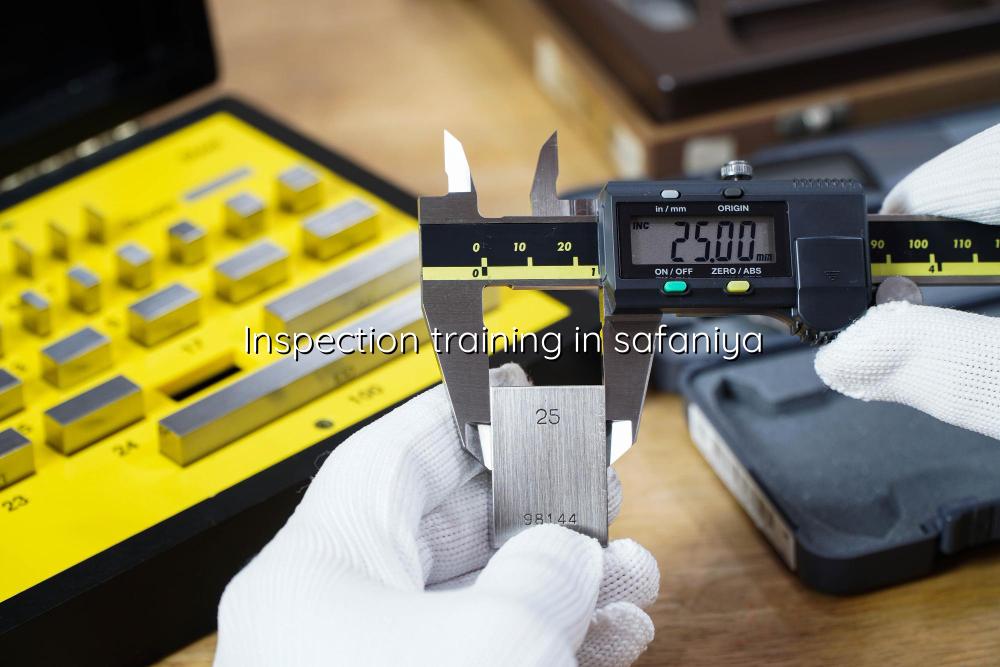
Inspection training in Safaniya helps your team spot defects earlier, record findings properly and keep equipment out of trouble. We focus on the checks people actually do on site, not classroom theory that fades by next week.
In Safaniya and the wider Saudi Eastern Province, that matters. Oil & Gas, petrochemical and maintenance teams work with lifting gear, PPE, NDT support items and plant equipment every day, so the people doing the inspection need clear methods, simple reporting habits and a good sense of what BS EN-based checking looks like in practice.
Inspection training in Safaniya for site teams and supervisors
Most teams ask for this training because they already have equipment checks in place, but the results are inconsistent. One person writes a clear remark, another writes “OK”, and nobody can tell what happened two months later. Our approach is practical: build a repeatable inspection routine, show the team how to notice damage early, and make the paperwork usable for maintenance and QA.
Why the checks matter in day-to-day work
On a busy site, inspection is not just a compliance task. It helps prevent bad lifts, worn PPE from slipping through, and small defects turning into downtime. We also train teams to understand where inspection stops and where specialist testing takes over, especially for lifting equipment, NDT-supported checks and equipment used around pressure systems or rotating plant.
What people usually need help with first
In our experience, the first gap is visual judgement. The second is documentation. A good inspector can identify cracked welds, deformed shackles, damaged slings, missing tags, worn connectors or unsafe PPE, but unless the record is clear, the issue gets lost in the handover. We keep the language simple and the checklist style practical, so the team can use it the same day.
- Start with the equipment family — we group items by lifting gear, PPE, NDT-related checks and plant accessories so the team learns the right inspection logic.
- Show the fault indicators — participants learn the visual signs that matter, such as deformation, wear, corrosion, missing identification and damage patterns.
- Practise recording findings — we show how to write a usable inspection note, not a vague one-line comment.
- Close with site application — the team reviews how to use the inspection result for hold, repair, recheck or release.
- Built around real site inspections, not generic classroom examples
- Useful for engineers, supervisors, QA staff and maintenance crews
- Helps teams handle BS EN-based lifting and PPE checks with more confidence
- Fits industrial work in Safaniya, Dammam and nearby Eastern Province sites
Typical modules we include in inspection training
| Module | Focus | Typical outcome |
|---|---|---|
| Visual inspection basics | Surface damage, wear, deformation, corrosion and missing tags | Clearer first-pass checks on site |
| Lifting equipment awareness | Slings, shackles, hooks, chain items and accessories | Better spotting of unsafe lifting gear |
| PPE inspection | Helmets, harnesses, gloves, eye protection and visible defects | Cleaner pass/fail decisions |
| Inspection records | Checklists, remarks, traceability and handover notes | Records that maintenance can actually use |
How the learning works on the ground
We keep the format practical. People learn faster when they can touch the equipment, see the fault patterns and talk through examples from their own shift or workshop. That is why we prefer a mix of explanation, guided checking and short exercises using the items your team already handles.
For many clients in Saudi Arabia and the GCC, the goal is not to turn everyone into a specialist inspector overnight. It is to raise the quality of basic inspection, reduce avoidable misses and make sure only the right items move forward for use, repair or formal testing.
Where the course usually pays off
It helps most in stores, maintenance yards, fabrication areas, lifting operations and shutdown support work. We also find that new supervisors benefit quickly, because they need a common language for defects, rechecks and release decisions. That small shift makes handovers cleaner.
Built for oil, petrochemical and maintenance work
Safaniya sites often deal with mixed responsibilities: lifting gear in one area, PPE control in another, and support equipment moving across departments. Our training helps each group understand its own inspection role, while still keeping the record structure consistent across the site.
Practical points your team should remember after training
Good inspection habits are simple, but they need discipline. The same item should be checked the same way every time, the same defect should be described the same way, and the record should make sense to the next person who reads it. That is the standard we aim for.
- Inspect under proper lighting and remove guesswork where you can
- Separate routine visual checks from formal third-party inspection requirements
- Record the defect, location and action clearly instead of writing a vague comment
- Use pass/fail language only when the item and the criteria are understood
- Escalate damaged or unclear items before they are put back into service
We also spend time on common errors we see in the field: skipping hidden areas, ignoring accessory condition, mixing up wear with damage, and treating a checklist as if it were a certificate. Those mistakes are small until they are not. Then they become a rework issue, or worse, a safety issue.
Safaniya, Saudi Arabia and nearby industrial sites
We support clients operating in Safaniya and across the Eastern Province, including teams linked to oil & gas, petrochemical, power and maintenance contracts. If your crew is based around a plant, yard or offshore support area, we can shape the training around the equipment you actually see.
Our wider service setup across India, Saudi Arabia and the Middle East also means training can sit alongside calibration, inspection services, laboratory support and corrective work when a client needs more than one task handled by one team.
Standards that shape the approach
We only reference the standards that matter to this work: ISO/IEC 17025:2017 for calibration and testing competence, ISO 9001:2015 for quality management, BS EN standards for lifting and inspection, and EURAMET CG-15 for electrical calibration. That keeps the technical language aligned with real industrial expectations.
For teams that need repeatable inspection decisions
When a site has several hands touching the same equipment, repeatability matters. Training helps the team agree on what to look for, how to write it down and when to stop using an item until it is checked properly.
How Mayon Industrial Services Can Help
We run inspection-related training, calibration services, third-party lifting-equipment inspection, NDT-related support, PPE inspection and practical engineering work for industrial clients. If you need your team to inspect better, record better and hand over with more confidence, we can build the session around your site reality.
Call +91 99447 80844 (India) or +966 59 633 8012 (Saudi Arabia), email services@mayonservices.com, or message us on WhatsApp.
Frequently Asked Questions
It is used to train site staff to inspect equipment more consistently and report defects in a way that maintenance can act on. That includes lifting gear, PPE and general industrial items that need regular visual checks. For Safaniya projects, the focus is usually on practical field use rather than classroom theory.
Yes. We cover the common visual checks, signs of wear, damage patterns and reporting habits that matter for lifting equipment and PPE. We also explain where routine inspection ends and where formal third-party inspection or specialist testing should take over.
Yes, we tailor the session to the equipment and work conditions your team sees every day. If your site handles lifting gear, maintenance accessories or mixed industrial equipment, we can shape the examples around that. Teams in Safaniya, Dammam and nearby industrial areas often prefer that approach because it makes the content easier to use immediately.
We keep to the standards listed for the business: ISO/IEC 17025:2017, ISO 9001:2015, BS EN standards and EURAMET CG-15. In training, that usually means using the standards as a practical frame for good inspection habits, traceability and quality control.
Yes, and that is often the most useful route for clients. We can support training alongside inspection services, calibration, mechanical work and equipment support, so the team gets a clearer process from one provider. That helps when a site wants both skill building and real field action.
Ready to improve inspection confidence on site?
If your team in Safaniya needs practical inspection training that fits real industrial work, we can help you plan the next step.
Contact Mayon