
Inspection Training in Riyadh
Practical training for inspection teams that need clear methods, safer checks and audit-ready records in Saudi industrial sites.
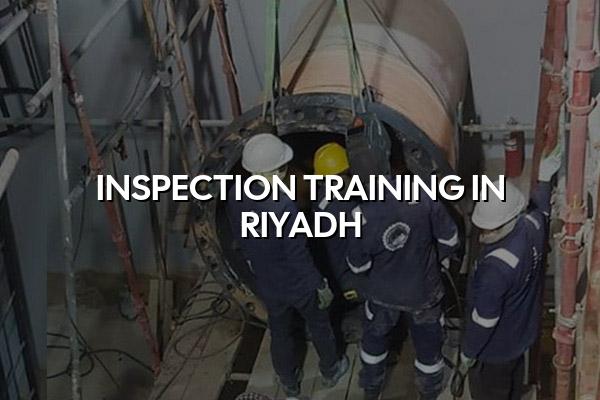
Inspection training in Riyadh helps your team spot defects early, document findings properly, and make safer decisions before equipment goes back into service. If you manage lifting gear, PPE, plant rooms or field assets, this page shows what a practical training programme should cover and how we shape it for real sites.
We work with engineering and maintenance teams across Saudi Arabia, including Riyadh industrial users who need training that fits day-to-day work, not classroom theory. Our approach is grounded in BS EN inspection practice, traceable reporting, and the kind of field discipline that matters in oil & gas, construction, power and manufacturing.
Inspection training in Riyadh for real site conditions
Good inspection training does more than tick a box. It gives your inspectors a repeatable method for visual checks, basic measurements, defect recognition and reporting, so the same item is judged the same way by different people. In Riyadh, that matters on busy jobs where lifting accessories, PPE, access equipment and maintenance items move quickly between workshops and site fronts.
What the training usually covers
We usually start with the inspection path itself: what to check, what to record, what to reject, and when to escalate for deeper examination or testing. For lifting equipment, that often means identifying wear, distortion, corrosion, missing markings, damaged stitching, cracked hooks or altered components. For PPE, it means checking serviceability, dates, fit, integrity and visible damage against the relevant BS EN inspection approach used on site.
Why Riyadh teams ask for it
Most supervisors who contact us are not looking for a generic seminar. They want their own technicians, HSE staff or QA team to handle routine inspection more confidently and to back their findings with reports that stand up during audits, contractor reviews and internal compliance checks. That is especially true on multi-site operations in Riyadh where one poor inspection note can slow down work or create avoidable risk.
- Start with the asset list — we identify which items your team inspects, from lifting gear and PPE to NDT-related tools and workshop equipment.
- Match the standard and checklist — the inspection method is aligned to the relevant BS EN practice and your internal procedure.
- Teach fault recognition — trainees learn the defects that matter, using sample items, photos and field examples.
- Practise reporting — we show how to write clear findings, pass/fail decisions and corrective actions that a supervisor can use.
- Build confidence in visual inspection before escalation to specialist testing.
- Reduce variation between inspectors by using one shared checklist and one reporting style.
- Improve traceability for lifting equipment, PPE and safety-critical accessories.
- Support safer release decisions in workshops, warehouses and site compounds.
Typical modules for inspection teams in Riyadh
| Module | Main focus | Typical outcome |
|---|---|---|
| Visual inspection basics | Damage, wear, deformation and missing identification marks | Faster screening of routine items |
| PPE inspection | Condition checks for helmets, harnesses, lanyards and similar items | Clear pass/fail decisions |
| Lifting equipment checks | Slings, shackles, hooks, beams and attachments | Safer release before use |
| Reporting and records | Findings, tagging, corrective actions and register control | Better audit trail for supervisors |
What strong inspection habits change on the job
When people are trained well, they stop guessing. They know what normal wear looks like, what needs a closer look, and what should be removed from service right away. That saves time during shift handovers and keeps maintenance teams from chasing avoidable problems that should have been caught earlier. It also helps when your operation works with contractors, because everyone can read the same inspection language.
Where the gains usually show up
In our experience, the biggest improvements show up in consistency. One inspector may be cautious, another may be too relaxed, but training narrows that gap. For Riyadh sites handling lifting operations, warehouses, fabrication yards and plant maintenance, that consistency matters because equipment moves fast and decisions need to be defensible.
Built for supervisors and field inspectors
We keep the session practical. That means real examples, on-item discussion, and enough detail for the people who actually sign off inspection results, not just the managers reading the summary later.
How we structure inspection training for Saudi teams
We usually build the programme around the equipment you already use. A team in a Riyadh workshop may need more focus on tools, lifting tackles and storage discipline, while a site-based maintenance group may need stronger coverage of field checks, tagging and escalation. The point is to make the training fit your inspection register, not force your register to fit a generic course.
Typical delivery style
Sessions can be built around classroom discussion, sample items, photographs, checklists and supervised practice. We also like to talk through the common errors we see: missed identification marks, incomplete records, poor photo evidence, unclear rejection notes and inspectors relying on habit instead of method. Those are small mistakes until an audit asks the hard questions.
What managers usually want from it
Most managers want two things: fewer blind spots and better records. They want the team to know when to stop using an item, and they want evidence that the decision was made properly. That is where a practical training programme helps, because it connects the physical check to the paperwork that follows.
- Review your current procedure — we look at your forms, tags and inspection frequency before the session starts.
- Use live examples — trainees compare safe, borderline and rejectable conditions on real components or images.
- Check judgement calls — the team practises deciding when to pass, monitor or remove from service.
- Close with corrective actions — we finish by showing how to record follow-up work and keep the register clean.
- Useful for new inspectors and experienced staff who need a reset.
- Works well for contract teams moving between projects in Riyadh and other Saudi cities.
- Supports better handover between HSE, maintenance and QA roles.
- Helps keep inspection records clear, consistent and easy to review.
How Mayon Industrial Services Can Help
We support inspection teams with practical training, calibration support for the instruments you rely on, and related engineering services when your scope goes beyond a classroom. If you need help with lifting-equipment inspection, PPE checks, NDT support, or setting up a better lab and record workflow, our team can shape the work around your site. That includes Saudi sites in Riyadh and Dammam, plus other industrial projects across India and the Middle East.
Call +91 99447 80844 (India) or +966 59 633 8012 (Saudi Arabia), email services@mayonservices.com, or message us on WhatsApp.
Frequently Asked Questions
It usually covers inspection basics, defect recognition, checklist use, reporting and safe pass/fail decisions. For many teams, we also include lifting gear, PPE and storage-related checks because those are the items most often handled on active sites.
Yes. We prefer that, honestly. If you send us your register or a simple list of items, we can build the discussion around the equipment your team actually inspects, which makes the session far more useful.
Yes, we reference the relevant BS EN approach where it applies to lifting and inspection work. We keep the focus on what your inspectors need to do in practice, so the standard becomes easier to apply instead of sounding abstract.
It is. New inspectors need the structure, and supervisors often need a common way to review findings from different people. The same session can help both groups if the examples are tied to your site conditions in Riyadh.
Yes. We spend time on reports, tagging and register control because that is where inspection programmes often break down. Clear records make audits easier and help maintenance teams act on the findings without confusion.
Ready to improve inspection confidence in Riyadh?
If your team needs better checks, clearer reports and a method that fits the worksite, we can help you plan the next step.
Contact MayonFor Riyadh-based teams, strong inspection training is less about theory and more about what people do on shift, in the yard and at the point of release. Mayon Industrial Services brings that practical mindset to every session, along with the engineering support to back it up when you need calibration, inspection or related site work.