
Inspection Training in Safwa
Build practical inspection skills for site teams, maintenance staff and supervisors working in Safwa and the wider Eastern Province.
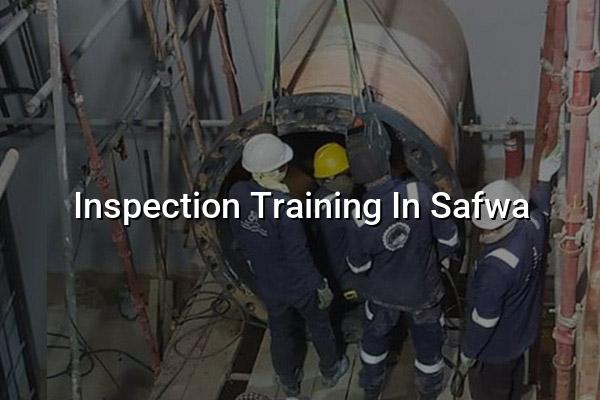
Inspection training in Safwa helps your team spot defects earlier, record findings properly, and keep lifting gear, PPE and site equipment in service only when it’s fit for use. If you manage maintenance, QA, HSE or procurement, this page shows what the training should cover and how it supports safer day-to-day decisions.
We’ve seen a lot of teams in Saudi Arabia and across the Eastern Province ask for the same thing: practical training that fits real plant conditions, not classroom theory that gets forgotten by next week. That’s why the focus here is on field checks, BS EN-based inspection habits and the kind of documentation supervisors can actually use during audits and handovers.
What Inspection Training in Safwa should cover
A proper program starts with the inspection basics your people touch every day. That includes visual examination, pass/fail criteria, tag control, recording defects, and knowing when equipment must be removed from service. For Saudi sites, that matters in workshops, warehouses, fabrication yards and construction fronts where lifting accessories, PPE and small plant move quickly between teams.
Build the habits before the paperwork
The best results come when inspectors learn how to look first and write second. We usually push teams to check deformation, corrosion, missing labels, broken stitching, worn hooks, damaged insulation and anything that changes safe use. Once that habit is in place, the paperwork becomes easier because the findings are real, not copied from a template.
Why supervisors ask for inspection records
In our experience, supervisors don’t want a folder full of busy pages. They want a record that shows what was checked, what failed, what was isolated, and what went back into service. That’s especially useful for lifting equipment inspection, PPE inspection and NDT follow-up work under BS EN standards, where traceable evidence is part of the job.
- Start with asset identification — match the item number, tag and location before you inspect anything.
- Check the visible condition — look for wear, cracks, distortion, leaks, missing parts and unsafe modifications.
- Test the function — confirm the equipment behaves as expected under normal use, not just when it looks clean.
- Record the result clearly — note pass, fail or hold, then state the reason in plain language.
- Escalate failures fast — remove unsafe items from service and send them for repair, replacement or further testing.
- Train staff on lifting equipment, PPE and general site inspection basics.
- Use real examples from warehouses, workshops and construction sites in Safwa.
- Teach clear pass/fail decisions instead of vague comments like “okay” or “needs attention”.
- Include defect reporting, tagging and isolation steps so unsafe items don’t slip back into use.
Typical modules in an inspection training session
| Module | What the team learns | Where it helps most |
|---|---|---|
| Visual inspection | How to spot wear, damage, deformation and unsafe alterations | Lifting gear, hand tools, PPE and small plant |
| Documentation | How to record findings, tag items and write clear defect notes | QA files, maintenance logs and audit packs |
| Basic acceptance criteria | How to judge if an item can stay in service or must be isolated | Workshops, yards and stores |
| Follow-up action | How to escalate failures for repair, testing or replacement | Operations, maintenance and HSE teams |
Why Safwa teams benefit from structured inspection training
Safwa sits close to an industrial corridor where oil and gas support work, fabrication, logistics and maintenance all cross paths. That mix creates the same problem we see across Saudi sites: equipment moves between people too quickly, and small defects get missed when no one owns the inspection process. Structured training closes that gap.
Less guesswork, more control
When teams learn the same method, you get fewer arguments during handover. One person’s “minor wear” becomes a defined finding with a clear action. That helps during internal checks, contractor oversight and third-party inspection reviews, especially where BS EN expectations and site procedures need to line up.
Field examples that stick
We use practical examples from lifting accessories, slings, shackles, gloves, helmets and other PPE so the lesson makes sense on Monday morning. People remember what they’ve seen in the yard far better than a slide deck full of generic photos. That’s usually where good inspection training starts to work.
What your team should be able to do after the course
After training, your inspectors should be able to walk a site, identify obvious defects, and decide what needs escalation. They should also know how to separate routine checks from more formal inspection steps, so the right equipment gets the right level of attention. That matters whether the item is a lifting accessory, a work-at-height PPE set, or a general workshop tool.
A second outcome is better communication. The team should be able to explain why an item failed, not just that it failed. That clarity saves time when maintenance needs to act, procurement needs to source a replacement, or an external auditor asks for evidence.
Tagging discipline
Learn how to mark items clearly so no one puts a rejected tool back into service by mistake.
Clear reporting
Use simple language, numbered findings and photo evidence where your site procedure allows it.
Failure response
Know when to isolate, repair, retest or replace equipment instead of leaving that decision vague.
How Mayon Industrial Services Can Help
We support inspection training through our wider industrial work in calibration, lifting-equipment inspection, PPE inspection, NDT, mechanical services and testing support. If you need the training linked to real equipment checks, we can shape the session around the assets your site actually uses, then help with follow-up inspection or verification work where needed.
Call +91 99447 80844 (India) or +966 59 633 8012 (Saudi Arabia), email services@mayonservices.com, or message us on WhatsApp.
Frequently Asked Questions
It trains your staff to inspect equipment properly, record the result clearly and know when an item should stay in service or be taken out. For most sites in Safwa, that means lifting gear, PPE and basic workshop equipment. It’s a practical way to reduce missed defects and inconsistent reporting.
Yes. That’s usually where the training starts, because those are the items teams handle every day. We focus on visual checks, obvious defect recognition, tagging, isolation and the reporting steps that keep unsafe items from going back to work.
We can arrange training around the site conditions you have, which is usually the better option for inspection work. People learn faster when they can point at the actual equipment, labels and storage areas they use every day. It also makes the discussion more honest.
For this kind of work, we keep the discussion to the standards that matter to the job, especially BS EN standards for lifting and inspection-related activities. Where electrical calibration or testing knowledge is part of the wider program, EURAMET CG-15 and ISO/IEC 17025:2017 can also be relevant in the background.
Usually the signs are messy records, repeated tagging mistakes, or supervisors asking the same questions during every handover. If people can’t explain why an item failed, or they rely on memory instead of a checklist, a refresher is a good idea. That comes up a lot after staff changes or new equipment arrivals.
Ready to tighten up inspection standards?
If you want safer checks, cleaner records and a team that knows what to look for, we’re ready to help you set it up.
Contact MayonGood inspection training doesn’t stay in the classroom. It shows up in the yard, in the stores and on the shift handover sheet, where bad decisions can cost time and safety. If you want a partner who understands inspection, calibration and field work in Saudi Arabia, Mayon Industrial Services is a solid place to start.