
Inspection Training in Jizan
Practical inspection skills for teams working in Jizan, from lifting gear checks to NDT awareness and audit-ready documentation.
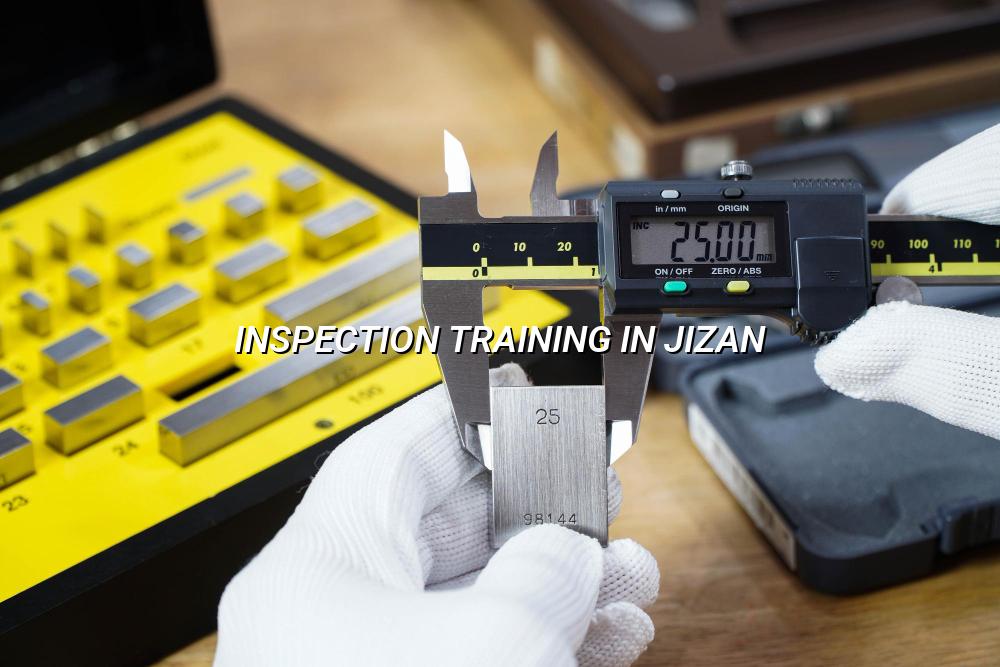
Inspection training in Jizan helps your team spot defects early, record findings properly, and speak the same technical language during shutdowns, lifting operations and third-party audits. If you manage equipment on a plant floor, at a yard, or in a support workshop, this page shows what solid training should cover and how it fits real work in the region.
We see this need often around Saudi industrial sites, especially where lifting equipment, PPE, pressure systems and outsourced maintenance all meet on the same job. The goal is simple: fewer missed defects, cleaner records, and more confidence when your inspectors face BS EN requirements or client review meetings.
What inspection training in Jizan should cover
A good inspection course is not just theory. It should train people to identify wear, deformation, corrosion, missing markings, poor housekeeping around lifting points, and the kind of small damage that turns into a shut-down problem later. In Jizan, where industrial work often supports petrochemical, power, logistics and cold-chain activity, that practical eye matters more than a classroom certificate that sits in a file.
Hands-on checks for lifting gear and site equipment
We start with the equipment people actually touch: slings, shackles, hooks, eye bolts, spreader beams, PPE items, and tagged tools that move between jobs. The training should explain what to check before use, what must be removed from service, and how to document the observation in a way a supervisor can trust. That sort of habit saves time during permit-to-work reviews and keeps the inspection trail tidy.
Records that stand up during audit
Inspection findings only help if they are written clearly. We teach teams how to use plain defect descriptions, serial numbers, locations, and photo evidence, then link those records to the right action. When a client or internal auditor reviews the file, the story should be easy to follow. No guessing. No gaps.
- Review the asset list — confirm which lifting and inspection items are in scope, from site PPE to third-party lifting accessories.
- Check against the standard — compare condition and markings with BS EN requirements, plus the site’s own inspection procedure.
- Inspect and record — note damage, wear, missing parts, unreadable tags and any unsafe storage conditions with clear photos.
- Classify the result — pass, hold, or remove from service, then route the finding to maintenance or the responsible supervisor.
- Train staff to spot deformation before it becomes a lifting risk.
- Use consistent terms for defects, locations and asset IDs.
- Keep inspection sheets usable for BS EN-based lifting checks.
- Include photos, tag numbers and responsible person details.
Typical inspection training modules for site teams
| Module | Main focus | Who benefits |
|---|---|---|
| Lifting gear inspection | Visual checks, tag status, wear, distortion and removal criteria | Stores teams, riggers, lifting supervisors |
| PPE inspection | Damage, expiry clues, cleaning condition and safe issue control | HSE teams, supervisors, permit holders |
| NDT awareness | Basic defect understanding and when to call a specialist | Maintenance planners, QA staff |
| Reporting and traceability | Clear records, photos, serial numbers and action closure | Inspectors, document controllers, managers |
Why inspection training matters for Jizan operations
Teams in Jizan often work around live plant conditions, contractor traffic and tight maintenance windows. That means an inspection mistake is rarely harmless. A missed crack, a damaged shackle or a vague pass/fail note can slow a lift, trigger rework, or create a safety discussion nobody wants at the end of a shift.
Better decisions at the point of use
When inspectors know what they are looking at, they can stop a bad item before it reaches the job. That helps maintenance, HSE and operations teams avoid last-minute substitutions, especially where the site relies on mobile equipment, rented lifting gear or mixed contractor stock. It also makes toolbox talks more useful because the defects are specific, not generic.
Training should match the way your site works
We usually tailor examples to the actual assets on site: lifting accessories, PPE, storage racks, work areas, and the document flow your team already uses. That keeps the session practical and easy to apply after the trainer leaves.
How a good course turns into daily inspection habits
The best feedback we hear from supervisors is simple: the team starts noticing things earlier. A cracked handle, a torn glove, a missing pin, a faded tag, a bent connector — small signs that used to get waved past now trigger a proper check. That change is what makes the training useful after the classroom session ends.
From awareness to repeatable method
We teach people to inspect in the same order every time, because repeatable method helps reduce missed defects. Once the team knows the order, the inspection becomes quicker and more consistent, even when workload is heavy. For managers, that means easier supervision and cleaner handover notes.
Real examples, not theory-heavy slides
We use the kind of examples your team will recognise on site, including lifting gear storage, PPE condition, defect logging and basic NDT awareness. People remember what they can picture.
How Mayon Industrial Services Can Help
Mayon Industrial Services can support your inspection training in Jizan with practical input from our calibration, inspection, mechanical services and training teams. We work with industrial clients across Saudi Arabia, India and the Middle East, so we understand what supervisors expect from clear inspection records, site-safe decisions and traceable reporting. If you want training tied to real assets and real work, we can help shape that.
Call +91 99447 80844 (India) or +966 59 633 8012 (Saudi Arabia), email services@mayonservices.com, or message us on WhatsApp.
Frequently Asked Questions
It usually covers visual inspection basics, defect recognition, tagging, removal criteria and reporting. For site teams, we also include lifting gear, PPE and basic NDT awareness so the training matches the equipment they handle every day. If the site has its own procedure, we can align the session to that format too.
Yes. That works well when the site wants one common way of checking, recording and escalating defects. We just adjust the depth of the discussion so supervisors understand decision-making while inspectors focus on the field check itself.
We do where it fits the job, especially for lifting-equipment and inspection-related work. The point is to help your team understand what those requirements mean during a real check, not just to repeat standard names from a slide. That usually makes the training easier to remember on site.
Absolutely. Maintenance teams need to understand what makes an item unsafe, and QA staff need records that can be followed during review. When both groups use the same language, you get fewer arguments over defects and faster closure of findings.
Yes, and that is usually the better way to do it. We can tailor examples around your lifting gear, PPE inventory, inspection forms and the way your team handles defects. That keeps the session tied to your actual workflow instead of a generic presentation.
Ready to tighten up inspection practice?
If your Jizan team needs clearer inspection habits, better reporting and more confidence in the field, we’re ready to help.
Contact MayonGood inspection training in Jizan should make your people safer, sharper and easier to audit. That is the standard we work to at Mayon Industrial Services, and it’s the reason many clients come back when they need practical technical support rather than generic classroom talk.