
Inspection Training in Khurais
Practical inspection training for plant teams, QA staff and maintenance crews supporting Khurais oilfield operations.
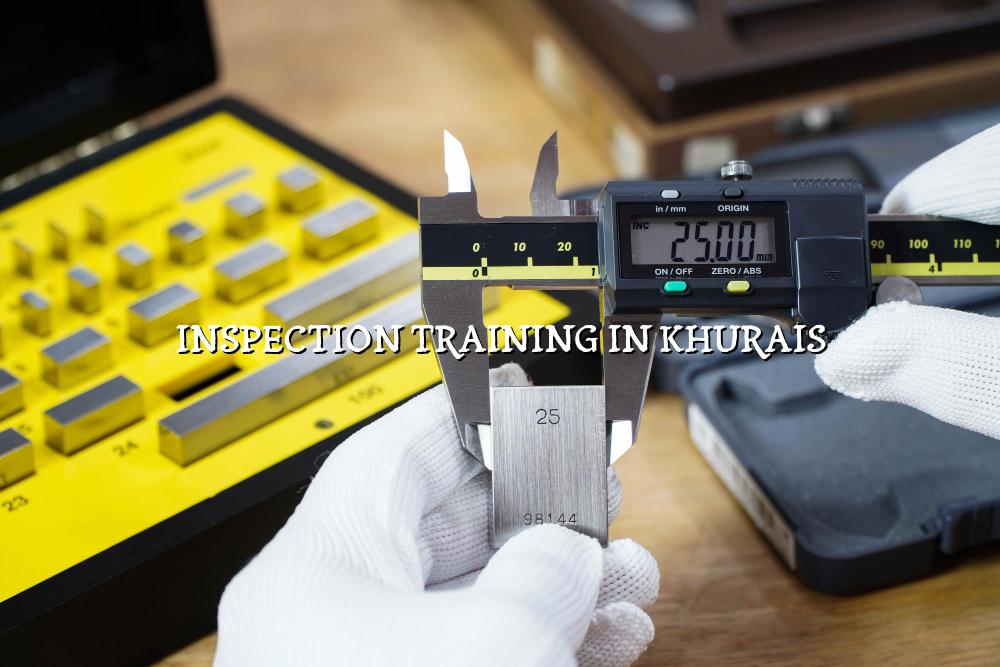
Inspection training in Khurais helps your team spot defects early, record findings properly, and handle lifting gear, PPE and site equipment with more confidence. If you're responsible for field safety or maintenance records, this page shows what the training should cover and how it fits real Saudi oilfield work.
We see the same pattern across Saudi Arabia: teams want practical inspection habits, not classroom theory that fades by next shift. In Khurais, where plant uptime, safety checks and contractor control matter every day, training has to line up with BS EN inspection practice, site procedures and the traceability expected from ISO/IEC 17025:2017-linked work.
What inspection training in Khurais should cover
A good inspection programme is more than a checklist. Your people need to know how to look at a sling, a shackle, a harness, a pressure system or a piece of lifting plant and decide whether it stays in service, goes for repair, or gets quarantined. That decision needs consistency, because one rushed sign-off can put an entire job at risk.
Training for lifting gear and site equipment
For Khurais operations, we normally start with lifting accessories, visual defect recognition, identification tags and rejection criteria. Teams working in oil and gas yards, maintenance sheds and contractor laydown areas need to understand wear, deformation, corrosion, missing markings and poor storage conditions. That makes toolbox talks and daily inspections much more useful.
Why recordkeeping matters on live industrial sites
Paperwork is not the boring part here. Clear inspection records help supervisors prove that equipment was checked, that defects were found on time, and that follow-up action was taken. If your site uses outside inspectors or internal competence holders, the records should be simple enough for shift teams to follow and strict enough for audit reviews.
- Start with identification — teach teams to match serial numbers, asset tags and service status before any inspection begins.
- Check the condition — look for cuts, cracks, distortion, loose parts, leakage, corrosion and damaged seals.
- Apply the decision rule — accept, restrict use, or reject based on the inspection findings and site procedure.
- Record and escalate — log the result, notify the supervisor, and send rejected items for repair or replacement.
- Use real samples from your yard, workshop or warehouse so the class feels familiar.
- Include BS EN-based lifting checks where your site uses cranes, slings, shackles and related hardware.
- Add PPE inspection points for helmets, gloves, harnesses, eye protection and safety footwear.
- Teach staff how to spot out-of-service equipment before it reaches the job front.
Training topics, users and inspection outcomes
| Training topic | Who needs it | Typical outcome |
|---|---|---|
| Lifting gear inspection | Rigging crews, supervisors, safety officers | Better defect spotting and cleaner acceptance decisions |
| PPE inspection | HSE teams, storekeepers, field technicians | Fewer damaged items issued to the work front |
| NDT awareness | Quality staff, mechanical inspectors, contractors | Better understanding of when a component needs specialist testing |
| Inspection records | QA coordinators, maintenance planners, auditors | Traceable logs that support site reviews and close-out actions |
Why practical inspection habits matter in Saudi oilfield work
Inspection training works best when the examples come from the same type of work your people handle every week. In Khurais, that can mean lifting gear used around maintenance outages, access equipment in storage yards, and PPE that moves between contractors and in-house crews. When people see the real faults, they remember the lesson.
Build competence, not just attendance
We prefer short sessions with hands-on examples, because that suits shift work and contractor teams. A supervisor who can identify bent hooks, unreadable tags or damaged lanyards is far more useful than someone who only knows the theory from a slide deck. That practical confidence also helps during audits and internal safety reviews.
Built for active plants, not theory rooms
We shape sessions around the assets your team actually handles, from lifting tools to inspection logs. That keeps the discussion grounded and makes it easier for supervisors to apply the same rules every shift.
How teams usually move from awareness to competence
Most teams do not fail because they lack effort. They fail because the inspection method is inconsistent. One shift removes a damaged item, the next shift puts it back in circulation, and the record no longer matches what is on the floor. Training closes that gap by giving everyone the same decision path.
For Saudi industrial sites, that matters in contractor-heavy environments where handover happens often. If your people understand what to look for, how to log it and when to escalate, inspections become part of normal work instead of a last-minute reaction after something goes wrong.
- Use short refreshers for new starters and longer sessions for supervisors.
- Keep defect photos from your own site in the training pack.
- Align inspections with your permit-to-work and asset control process.
- Review rejected items so the team learns the difference between wear and critical damage.
How Mayon Industrial Services Can Help
We support inspection training with the same field mindset we bring to lifting-equipment inspection, NDT, PPE inspection, calibration and mechanical services. If your Khurais team needs a practical session that fits site conditions, we can help shape it around the equipment you use and the checks your supervisors rely on.
Our work across Saudi Arabia and the Middle East is built around traceable methods, clear reporting and real industrial use. Call +91 99447 80844 (India) or +966 59 633 8012 (Saudi Arabia), email services@mayonservices.com, or message us on WhatsApp.
Frequently Asked Questions
It usually covers visual inspection, defect recognition, tagging, acceptance and rejection rules, and the way records should be kept on site. For industrial clients, we also include lifting gear, PPE, and inspection handover habits that fit shift work and contractor control.
Yes. We can cover slings, shackles, hooks, tags, storage conditions and the common defect patterns your supervisors need to spot before equipment goes back into service. The session can be kept practical and tied to your own site forms.
It does, and that is usually where the need is strongest. Contractor teams often rotate fast, so a clear inspection method helps everyone use the same rejection criteria and record format, even if they come from different backgrounds.
Yes, we can. PPE checks are useful for stores, field crews and safety teams, while NDT awareness helps staff know when a surface crack, weld issue or hidden defect needs specialist testing rather than a simple visual check.
We serve clients across Saudi Arabia, India and the Middle East. Our team works with industrial sites that need onsite support, mobile-lab coordination, or training linked to calibration, mechanical service and inspection workflows.
Ready to tighten inspection discipline at your Khurais site?
Send us your current inspection scope and we’ll help you shape a practical session that fits your team, your equipment and your site routine.
Contact MayonGood inspection training changes the way a site works. It lowers guesswork, makes defect reporting cleaner, and gives your supervisors a shared standard they can actually use. If you want that kind of support in Khurais, Mayon Industrial Services is ready to help.