
Inspection Training in Neom
Build practical inspection skills for Neom projects with field-focused training that fits real site conditions and reporting needs.
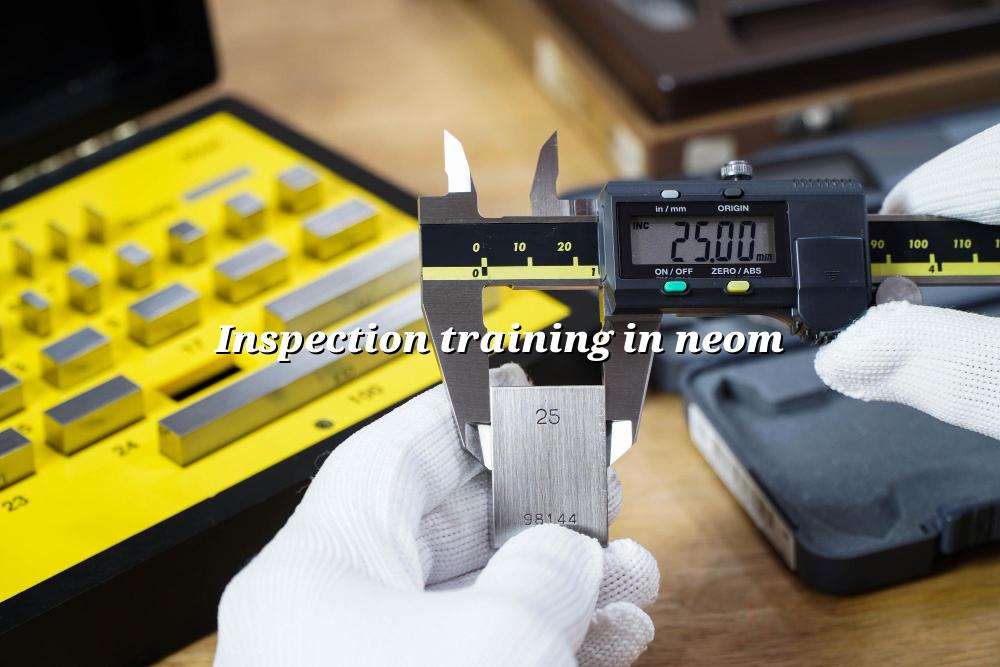
Inspection training in Neom helps your team read the job properly, spot defects early, and write reports that stand up to site scrutiny. If you're handling lifting gear, PPE, NDT records, or handover checks, this page shows what good training should cover and how it supports day-to-day work.
We wrote this with Neom projects in mind, where contractors, QA teams, and maintenance crews work under tight documentation habits and high safety expectations. Our approach is practical: less classroom theory, more the sort of checking, recording, and decision-making people actually use on Saudi industrial sites and in wider GCC shutdown work.
What inspection training in Neom should cover
Good inspection training in Neom should teach people how to inspect, record, and escalate without guessing. That means understanding visual checks, use-condition signs, rejection limits, traceability, and the difference between routine observations and findings that need a stop-work call. For lifting equipment and PPE, we keep the discussion tied to BS EN standards and the site paperwork people are asked to sign every week.
Why site teams ask for hands-on inspection training
In our experience, the people who ask for training are usually supervisors who already know something is being missed. A damaged sling, an unreadable tag, a loose shackle pin, or a notebook full of vague notes can slow a whole job. When the team learns what to look for and how to document it clearly, the work gets cleaner and the arguments get shorter.
What makes Neom different from a generic class
Neom jobs tend to involve multiple contractors, shifting work fronts, and a heavy paper trail. That changes how inspection is done. Your team needs to understand site access rules, handover discipline, and how to keep inspection records aligned with client expectations without making the report sound padded or copied.
- Start with the equipment category — separate lifting gear, PPE, NDT tools, and general site safety checks so people don't mix procedures.
- Review the acceptance points — show the team what passes, what needs tagging, and what should be removed from service.
- Practice the inspection flow — visual check, measurement where needed, record the finding, and escalate the issue to the right person.
- Close with reporting discipline — teach clear notes, photo references, serial number capture, and traceable sign-off.
- Use real items from site, not only sample photos, so the team learns the feel of damaged gear.
- Include BS EN-based inspection habits for lifting equipment and PPE checks.
- Train supervisors to spot repeat faults, not just one-off defects.
- Keep the report format simple enough for field use, with clear pass, fail, or hold decisions.
Inspection topics teams usually ask for in Neom
| Topic | What the team learns | Typical site use |
|---|---|---|
| Lifting equipment inspection | Hooks, shackles, slings, tags, deformation, wear, and removal-from-service decisions | Rigging yards, laydown areas, and lifting operations |
| PPE inspection | Visual condition, expiry or wear signs, usability, and record keeping | Daily site issue checks and supervisor reviews |
| NDT awareness | Basic defect recognition, surface condition checks, and when to call a specialist | Fabrication, maintenance, and shutdown support |
| Inspection reporting | Serial capture, photo notes, pass/fail language, and traceable sign-off | Client handover, audit files, and QA records |
How better inspection habits reduce site friction
When inspectors know what to check and how to record it, the job moves faster. Fewer items get stuck in review. Fewer tools are returned with unclear status. That matters on Neom work fronts, where multiple trades may be waiting on the same lifting plan or handover pack.
Keep the checklist tied to the actual task
A scaffold check, a lifting gear check, and a PPE audit are not the same thing. We like training that makes the team say the task out loud first. Once the task is clear, the inspection path is easier to follow and the report reads like a real现场 record instead of a copied template.
Built for field supervisors and QA staff
We keep the course practical for people who need to inspect, brief, and sign off without wasting time. That includes maintenance leads, HSE coordinators, and contractors working in oil & gas, construction, power, and cold-chain environments across Saudi Arabia and the Middle East.
What a usable inspection report looks like
A usable inspection report says what was checked, what was found, and what action was taken. That sounds basic, but many reports miss one of those points. In a live project, the missing line is usually the one people want later when a piece of gear is quarantined or a handover is questioned.
We advise teams to keep the language plain. Write the item ID, the condition, the defect, and the next step. If a sling is frayed, say so. If a tag is missing, say so. If the item is fit for use but needs closer follow-up, say that too. Clear writing saves arguments.
- Capture the asset ID or serial number every time.
- Use photos where the condition is not obvious from text alone.
- Separate pass, fail, and hold items so the action is clear.
- Keep the wording consistent from one report to the next.
How Mayon Industrial Services Can Help
We support inspection teams with practical training that fits field conditions, not just classroom theory. If you need help with lifting equipment inspection, PPE checks, NDT awareness, or writing cleaner site reports, our team can shape the session around your actual work scope. We also bring in our wider industrial experience from calibration, mechanical services, inspection, and engineering, so the training feels relevant to the job you're doing.
Call +91 99447 80844 (India) or +966 59 633 8012 (Saudi Arabia), email services@mayonservices.com, or message us on WhatsApp.
Frequently Asked Questions
It usually covers the basic inspection flow, defect spotting, documentation, and reporting. For most teams, we focus on lifting equipment, PPE, and the way to record pass or fail decisions without confusion. If your site needs more depth, we can add NDT awareness or task-specific checks.
Yes, and that often works better. Supervisors need to understand what the inspector is looking for, while field staff need to know how to raise an item without slowing the job down. We can tailor the session so both groups leave with the same inspection language.
We do, where they apply to the job. The point is to help your team recognise what the standard-based check is asking for, then apply it properly in the field. That way the report isn't just technically correct; it's also usable during handover and site review.
Yes. A lot of contractors working in Saudi Arabia and the wider Middle East need inspection habits that fit site handover rules, mixed crews, and tighter documentation. That is exactly the sort of working environment we keep in mind when we plan the session.
Yes. If your company already uses a checklist, log sheet, or client template, we can work around it so the team learns on the same format they use at work. That makes the training easier to keep alive after the session ends.
Ready to strengthen inspection work on your Neom site?
If your team needs clearer checks, cleaner reports, and better field decisions, we can help you set that up properly.
Contact MayonMayon Industrial Services gives you practical inspection training that fits real site work, not a generic classroom script. If your team needs support in Neom or across Saudi Arabia and the Middle East, we're ready to help.