
Inspection Training in Hawiyah
Practical inspection training for supervisors, technicians and QA teams working in Hawiyah and nearby industrial sites.
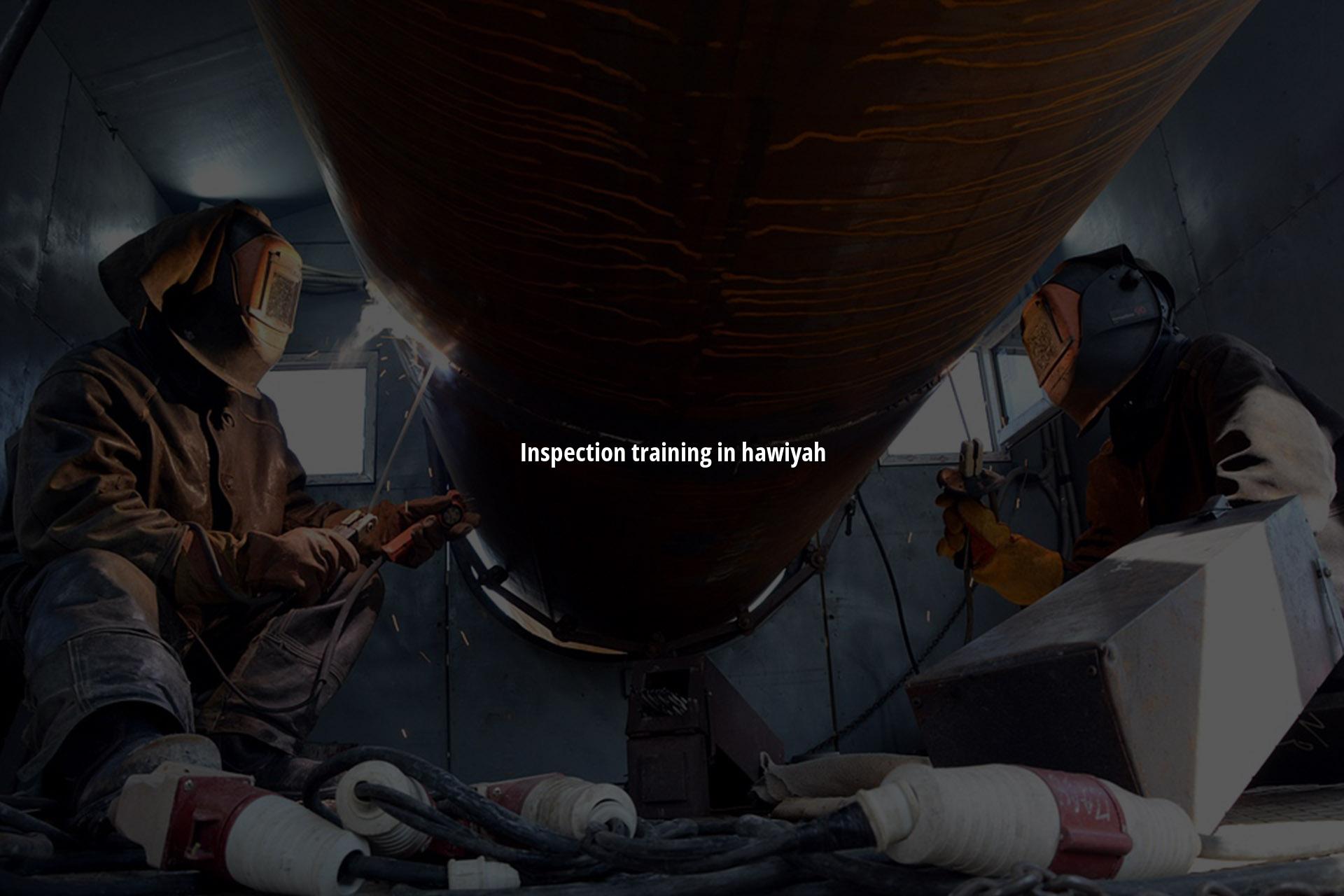
Inspection training in Hawiyah helps your team read equipment with a sharper eye, record findings properly and spot defects before they become stoppages. If you manage lifting gear, NDT checks, PPE controls or site inspections, this page shows the practical skills that matter on real jobs.
We work with industrial teams across Saudi Arabia and the Middle East, so we know the pace on oilfield and maintenance sites around Hawiyah. The training focus is simple: safer decisions, cleaner reports and better discipline around BS EN-based inspection work.
Inspection training in Hawiyah for site teams
The people who call us about inspection training in Hawiyah usually want the same thing: fewer vague reports, better field judgement and a team that can stand up to client audits without scrambling. That means training people to check lifting accessories, PPE, basic NDT findings and equipment condition in a way that makes sense on an active site, not just in a classroom.
What your team should be able to do after the course
We keep the content grounded in day-to-day work. Your inspectors should be able to identify obvious wear, deformation, corrosion, missing markings and damage to accessories, then record it clearly so supervisors can act on it. For PPE inspection, they need to separate cosmetic wear from real rejection points, and for lifting equipment they should understand the difference between a routine check and a formal third-party inspection.
Why Hawiyah sites need practical inspection discipline
Hawiyah work often runs on tight shutdown windows and mixed contractor crews. In that setting, weak inspection habits create avoidable delays. We see it often: one unclear tag, one unreadable serial number, one missed defect note, and the whole handover slows down. Good training fixes that by making inspection records consistent and easy to verify.
- Start with the standard — map the inspection task to the right BS EN requirement, site rule or client specification before the first check.
- Inspect the equipment methodically — look at identification, condition, markings, damage, operation and visible contamination in a fixed sequence.
- Record what you found — write the defect, location and severity in plain language so the maintenance team knows what to do next.
- Decide the next action — pass, quarantine, recheck or send for higher-level inspection depending on the risk and the item type.
- Use real samples from lifting gear, harnesses, shackles and PPE sets so trainees can see actual defect patterns.
- Teach inspectors to photograph serial numbers, tags and damage points before equipment goes back into service.
- Keep inspection notes short, specific and readable by maintenance, QA and client reps.
- Separate visual checks from formal testing so nobody overstates what a site inspection can prove.
Core inspection areas and what trainees learn
| Inspection area | What trainees check | Typical outcome |
|---|---|---|
| Lifting equipment | Tags, hooks, chains, slings, deformation, wear and basic rejection signs | Clear pass, reject or escalate decision |
| PPE inspection | Harnesses, helmets, gloves, lifelines, stitching, cracks and expiry controls | Safe issue or immediate withdrawal |
| NDT awareness | Surface condition, obvious defect indicators and report interpretation basics | Better communication with NDT teams |
| Site reporting | Photos, serial numbers, comments, risk level and action status | Cleaner handover to QA and maintenance |
How inspection training supports compliance and uptime
Good inspection training supports ISO 9001:2015 quality systems because it reduces guesswork in routine checks and makes nonconformities easier to track. On Saudi industrial sites, that matters in shutdowns, warehouse controls and lifting operations where the wrong call can hold up other teams. For Indian contractors working across Chennai, Gujarat or other industrial hubs, the same approach helps keep records tidy and handovers smoother.
What managers usually notice first
The first change is usually in the reports. They stop sounding generic. Then the inspection team starts rejecting damaged items with more confidence, and supervisors spend less time clarifying what was actually found. That is where the value sits — not in fancy words, but in better decisions made at the point of use.
Built for real industrial shifts
We shape the session around the equipment your team actually handles, from lifting accessories and work-at-height PPE to site inspection paperwork. It suits contractors, maintenance crews and QA teams who need practical judgment, not theory for theory's sake.
How Mayon Industrial Services Can Help
We run inspection-focused training alongside our lifting-equipment inspection, NDT, PPE inspection and calibration work, so the training is shaped by what field teams actually face. If you need help standardising inspection practice in Hawiyah or across Saudi Arabia, we can align the session with your site workflow, reporting needs and equipment mix. We also support teams that want to connect inspection with calibration, mechanical maintenance and commissioning discipline.
Call +91 99447 80844 (India) or +966 59 633 8012 (Saudi Arabia), email services@mayonservices.com, or message us on WhatsApp.
Frequently Asked Questions
It helps site staff learn how to check equipment properly, record defects clearly and make pass or reject decisions with confidence. In Hawiyah, that usually means lifting gear, PPE, site condition checks and basic inspection reporting.
Yes, we can focus the session on slings, shackles, hooks, tags and visual rejection points. We also cover how to document findings so the maintenance or lifting team can act without confusion.
Yes. We cover the common checks for helmets, harnesses, gloves and similar items, including stitching, cracks, expiry markers and visible damage. The aim is to help trainees reject unsafe PPE before it reaches the workfront.
Absolutely. QA teams usually want stronger reporting discipline, while maintenance staff want to know what to fix and what to quarantine. The training is useful for both because it builds the same inspection language across the site.
Yes, we support teams in Saudi Arabia from Dammam Industrial City 2 and work across the wider region. If you want the training tied to your own equipment and reporting format, onsite delivery is the most practical route.
Ready to improve inspection quality on site?
If your team in Hawiyah needs clearer inspections, stronger reports and steadier field judgment, get in touch and we’ll help you plan the right session.
Contact Mayon