
Inspection Training in Tabuk
Practical training for supervisors, inspectors and maintenance teams who need stronger site inspection discipline.
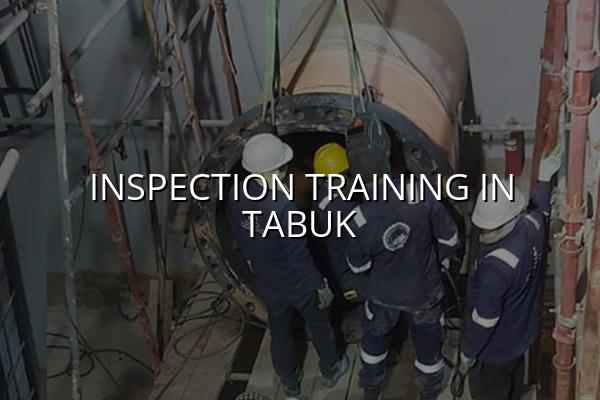
Inspection training in Tabuk helps your team spot faults before they become shutdowns, claims or avoidable safety incidents. We shape the session around the work you actually do, from lifting gear checks to basic NDT awareness and PPE inspection discipline.
That matters in Tabuk because industrial teams here work around construction, utilities, logistics and field maintenance, often with tight permit windows and high expectations on traceability. Our workshops are built for supervisors, technicians and QA staff who need practical methods they can apply on the next shift.
What inspection training in Tabuk should cover
A useful inspection course has to be more than theory. In our experience, the best results come when people learn how to read a certificate, identify obvious defects, record findings properly, and stop equipment from going back into service when it should not. For Tabuk projects, that usually means lifting accessories, loose tools, hand tools, safety footwear, portable electrical items and the site paperwork that ties everything together.
Why teams usually ask for it
Most calls start with the same pain point: different supervisors are making different decisions. One person rejects a sling, another sends it back out, and the record is weak. Training gives your team a shared method, so inspection becomes consistent across shifts and across subcontractors.
Where the gaps show up
The gaps are rarely dramatic. They are small things, like missing asset IDs, no clear pass or fail basis, a poor understanding of BS EN inspection expectations, or a rushed visual check that never reaches the real fault. We use local examples and plain language so people remember the point when they are standing on a noisy site, not in a classroom.
- Start with the asset type — classify lifting gear, PPE, portable appliances or other inspection items before touching the checklist.
- Check the condition against a method — look for wear, damage, deformation, contamination and missing markings in a fixed order.
- Record the result clearly — note the item ID, location, status and the reason for rejection or release.
- Escalate the right defects — remove unsafe items from use and route them to repair, retest or disposal where needed.
- Close the loop — make sure the register, tag, supervisor log and handover all match before the item returns to work.
- Training can be tailored for lifting equipment, NDT support roles, PPE checks and portable appliance inspection.
- We can align the session with BS EN standards used for lifting and inspection work.
- Supervisors get a better feel for defect recognition, not just paperwork.
- Teams learn how inspection links with calibration, tagging and asset traceability.
Inspection training topics and practical outcomes
| Training area | What people learn | Why it helps on site |
|---|---|---|
| Lifting equipment inspection | Visual checks, defect spotting, tagging and withdrawal decisions | Reduces unsafe gear being used during lifts |
| PPE inspection | Damage checks, serviceability review and record keeping | Stops worn PPE from staying in rotation |
| Basic NDT awareness | Where NDT fits, what it can and cannot prove, and when to call specialists | Improves inspection planning and handover quality |
| Portable appliance checks | Visual inspection, earth continuity awareness and clear pass/fail decisions | Supports electrical safety discipline in offices and workshops |
How we structure the session
We normally keep the training practical. People work through sample items, photo cases and inspection records, then compare what they found against a simple decision framework. That approach suits maintenance teams in Tabuk, especially where site conditions change from one project to the next and the inspector needs to make a fast, defensible call.
What good records should show
A usable inspection log should show who checked the item, what was checked, the outcome, and what happened next. That sounds basic, but it is where many teams lose control. Once records are clean, audits are easier and supervisors spend less time chasing missing information.
Local value for Saudi industrial teams
We support teams working across Saudi Arabia from Dammam Industrial City 2, and we also serve Tabuk projects that need structured inspection training backed by real field experience. The goal is simple: fewer bad decisions, better handovers and a workforce that knows what “fit for use” really means.
Who benefits most from inspection training in Tabuk?
Site supervisors
They need faster, clearer judgment calls when multiple trades are sharing the same workfront.
Maintenance teams
They benefit from better defect recognition on tools, appliances and accessories that cycle through the workshop.
HSE and QA staff
They get a stronger basis for audits, corrective action and consistent site reporting.
Stores and logistics teams
They can spot damaged items before dispatch, which saves time and repeat transport.
Inspection training linked to real equipment
We can bring the training closer to the equipment you already use, instead of working from generic examples. That might include lifting beams, slings, shackles, harnesses, ladders, portable electrical tools or instrumentation that supports inspection activity. When people handle their own items during training, the discussion gets sharper and the learning sticks.
Common mistakes we correct
The same issues show up again and again: inspection tags nobody trusts, items that are visually dirty and therefore hard to assess, and registers that look complete but cannot stand up to a real challenge. We call those out directly. People usually appreciate that, because it mirrors the pressure they feel on the job.
Traceability matters
For industrial clients in Tabuk, traceability is not paperwork for its own sake. It is the thread that links inspection findings, equipment status, maintenance action and site approval. That is where ISO/IEC 17025:2017 thinking, BS EN inspection practice and disciplined record keeping all meet.
How Mayon Industrial Services Can Help
We run inspection-focused training alongside our calibration, inspection and engineering work, so the advice comes from actual field practice. If your team in Tabuk needs help with lifting equipment inspection, PPE review, portable appliance checks or the documentation that supports them, we can build a session around that mix. We also support related work such as calibration, lab setup, condition monitoring and mechanical services when your site needs more than one solution.
Call +91 99447 80844 (India) or +966 59 633 8012 (Saudi Arabia), email services@mayonservices.com, or message us on WhatsApp.
Frequently Asked Questions
It usually covers defect spotting, basic inspection decision-making, record keeping and the correct way to remove an unsafe item from service. For many teams, we also include lifting gear, PPE and portable appliance examples because those are the items people handle every day. The exact mix depends on your site and the roles in the room.
Yes. That often works well because supervisors need the decision logic, while technicians need the practical defect examples. When both groups sit in the same session, we can close the gap between what gets found and what gets documented.
It is. We can shape the content around the inspection habits and documentation style that lifting teams need, especially where BS EN expectations are part of the site procedure. The aim is not to turn people into full-time inspectors overnight, but to make their checks more consistent and defensible.
Yes, we support clients across Saudi Arabia and the Middle East, with our Saudi presence operating from Dammam Industrial City 2. We also serve clients in India through our head office in Medavakkam, Chennai. If you have a multi-site team, we can keep the approach aligned across locations.
Yes. That connection is useful when the same team handles instruments, inspection tools and field checks. We can show how traceability, tagging and record control should work together so your people are not treating each register as a separate island.
Ready to tighten up inspection discipline in Tabuk?
If your team needs practical training that people will actually use on site, we can help you plan the right session and keep it grounded in real industrial work.
Contact Mayon