
Inspection Training in Hail
Practical inspection workshops for teams that need better checks, cleaner records and safer site decisions.
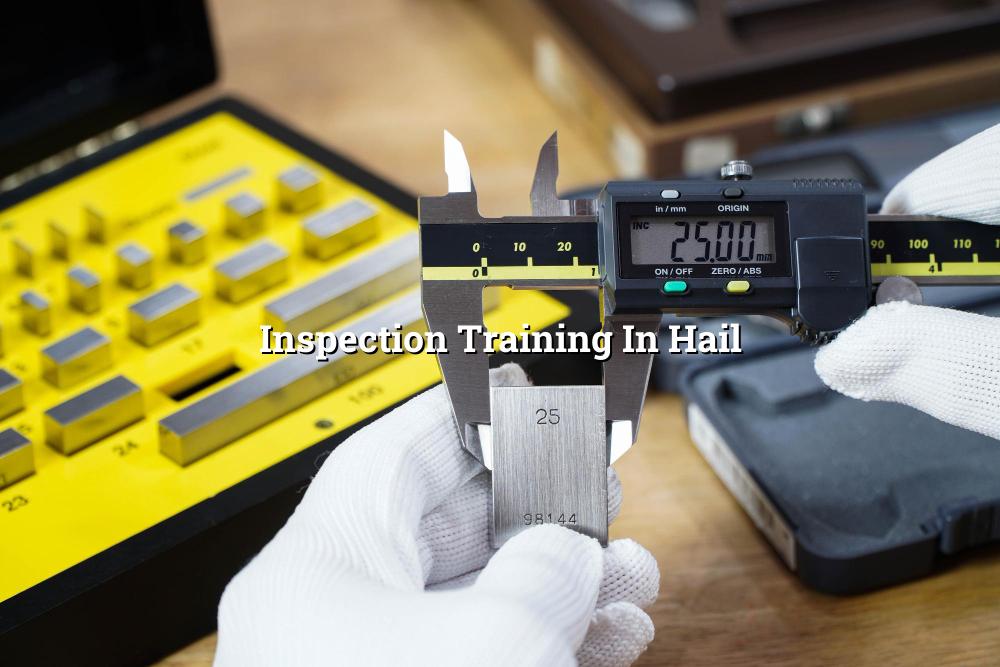
Inspection training in Hail helps your team spot defects sooner, document findings clearly and make safer decisions before equipment goes back into service. If you're responsible for lifting gear, PPE, site tools or subcontractor checks, this page shows how practical training supports day-to-day control.
We build our workshops around real site conditions in Saudi Arabia, from industrial yards and maintenance shutdowns to cold-chain facilities and project sites that need better visual checks, NDT awareness and cleaner inspection records. The aim is simple: give your people the confidence to inspect properly, not just tick a box.
What Inspection Training in Hail Covers
In practice, inspection training has to do two jobs at once. First, it teaches people what to look for: deformation, corrosion, missing markings, damaged lanyards, worn slings, cracked welds, loose terminations and unsafe accessory use. Second, it teaches them how to write it down in a way that maintenance, QA and supervisors can act on without guessing.
Where teams usually need the most help
Most teams in Hail already know the equipment matters. The gap is usually in consistency. One inspector may catch a missing safety latch, another may overlook it. One report may describe an issue clearly, while another says only "good condition". We work to close that gap with plain inspection language, photo-based examples and a repeatable method that fits BS EN-based lifting-equipment checks, PPE review and basic site NDT awareness.
Why the site context changes the training
Hail projects often see dust, heat, storage issues and mixed contractor teams. That changes how equipment ages and how defects show up. For example, a sling that looks fine in the yard can still fail a closer check because the tag is unreadable or the stitching has started to lift. Good training makes those small warning signs harder to miss, and that protects people long before a formal test report is due.
- Start with the equipment list — we map the actual items your team checks, from lifting accessories to PPE and common site tools.
- Review defect examples — trainees study real-world wear patterns, damage indicators and recordable nonconformities.
- Practice the inspection flow — we show how to move from visual check to documentation to escalation without leaving gaps.
- Close with field reporting — your team learns how to record findings, tag items and route unsafe equipment for action.
- Covers lifting-equipment inspection basics in line with BS EN expectations used on Saudi and GCC sites.
- Helps supervisors separate visual defects from issues that need specialist testing or quarantine.
- Improves PPE checks, including helmet, harness, glove and eye-protection inspections before use.
- Builds better inspection logs, which matter when audits ask who checked what, and when.
Typical Inspection Training Topics for Hail Teams
| Topic | What the Team Learns | Site Benefit |
|---|---|---|
| Lifting gear checks | Hooks, shackles, slings, chains and tags | Fewer missed defects before lifts |
| PPE inspection | Damage, expiry, fit and serviceability | Safer daily issue and use |
| NDT awareness | When a visual check is not enough | Better escalation to specialist testing |
| Report writing | Clear findings, photos and actions | Cleaner audit trail for QA teams |
Why this training matters for supervisors and QA teams
When inspection quality improves, the whole site feels it. Maintenance teams spend less time chasing unclear notes. Procurement gets better feedback on what needs replacement. Supervisors can sign off equipment with more confidence, especially where lifting operations, subcontractor handover and temporary works overlap.
What good inspection habits look like
Good habits are plain and repeatable. Check the item in the same order every time, confirm identification marks, look for damage that changes the item's function, and stop work if the defect makes the equipment unsafe. That discipline matters on busy industrial sites in Hail because people are often working under pressure and don't want to slow a job down.
Field-ready, not classroom-only
We keep the training practical. Your team sees the kinds of conditions that turn a routine check into a real decision: dusty storage, faded labels, minor deformation, poor housekeeping and mixed-condition tools. That's where the learning sticks.
How we usually structure the workshop
We normally begin with a short discussion about the site's equipment mix, inspection frequency and the problems your team already sees. Then we move into sample items, photos, case studies and reporting practice. The point is not to lecture people for hours. It's to build confidence with the checks they actually perform.
For teams handling lifting equipment and PPE, we often include examples that show the difference between a minor wear mark and a defect that needs immediate action. For maintenance groups, we also cover how to feed inspection findings into repair decisions so the same problem doesn't keep coming back.
Some clients ask for a short refresher for supervisors. Others want a wider session for technicians, permit holders and store teams. We can shape the session around your group size and the equipment used on the job, whether that's a contractor yard, a fabrication workshop or a cold-store operation that handles special lifting and access gear.
That flexibility matters in Hail, because one site may need more lifting-focused material while another needs a better eye for PPE checks and basic non-destructive testing awareness.
How Mayon Industrial Services Can Help
We support inspection training with the same practical mindset we use in calibration, inspection services and mechanical work. If your team also needs better equipment control, we can align the workshop with lifting-equipment inspection, PPE review, NDT awareness, temperature-controlled lab support or even a wider QA discussion for your site. For groups in Hail and across Saudi Arabia, that makes the training more useful on Monday morning, not just on paper.
Call +91 99447 80844 (India) or +966 59 633 8012 (Saudi Arabia), email services@mayonservices.com, or message us on WhatsApp.
Frequently Asked Questions
Our sessions usually cover visual inspection basics, defect recognition, record keeping and when to stop use and escalate an item. For some teams, we also include lifting gear, PPE and simple NDT awareness so the group understands where the limits of visual checking start.
Yes. In fact, mixed groups often work well because supervisors see how checks are done in the field, while technicians see what managers expect in the report. We just tailor the level of detail so the session stays useful for everyone in the room.
Yes, we can frame the workshop around BS EN expectations used for lifting-equipment inspection and site control. We keep it practical, so your team understands what a sound pre-use check looks like and what kind of defect needs removal from service.
We do. A lot of sites need better control over helmets, gloves, harnesses and eye protection, especially where issue and return happen quickly. We show teams how to spot damage, check marking and write a report that helps stores and safety staff take action.
Yes. We support clients across Saudi Arabia from Dammam Industrial City 2 and work with teams that need practical site-level support. If you have a project in Hail or another industrial location, we can discuss the setup and match the workshop to your equipment.
Send us a message through the contact page or request a quote with your team size, site location and the equipment you want covered. That helps us plan the right format instead of sending a generic session outline.
Ready to improve inspection quality on your Hail site?
If your team needs clearer checks, better reporting and more confidence in what stays in service, speak with Mayon and plan a workshop that fits your operation.
Contact MayonStrong inspection habits save time later. They also keep supervisors, technicians and contractors working from the same standard, which is exactly what busy industrial sites in Hail need. If you want a team that understands both the equipment and the paperwork, Mayon Industrial Services is ready to help.