
Inspection Training in Shedgum
Practical training for supervisors, inspectors and maintenance teams who need safer inspection routines on Saudi industrial sites.
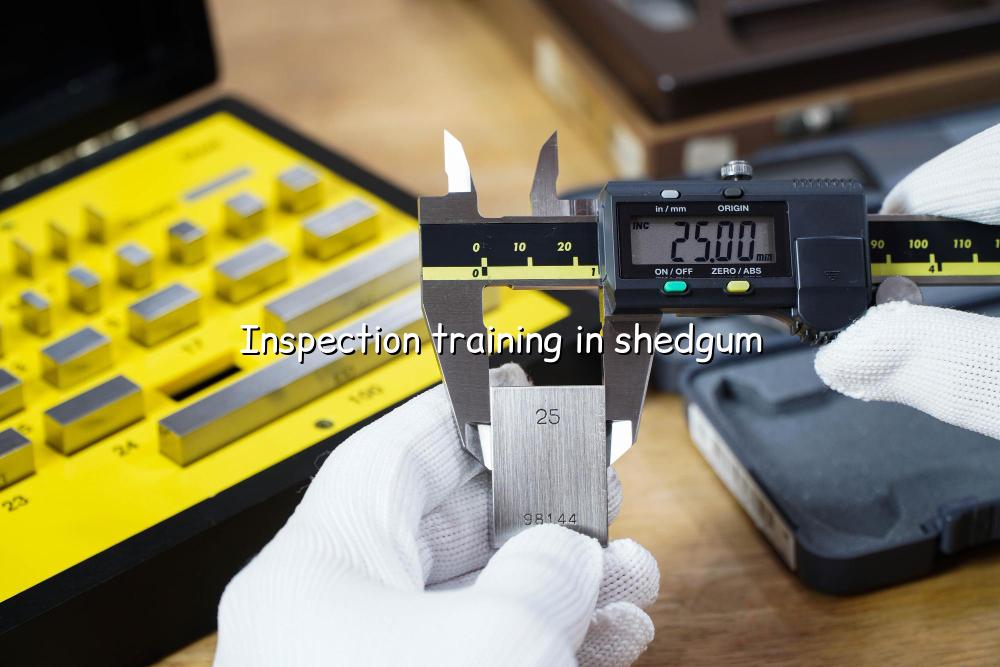
Inspection training in Shedgum helps your team spot defects early, document findings properly, and keep lifting equipment, PPE and plant items safe for use. If you're handling maintenance or QA for a site near Aramco-linked operations, the value is simple: fewer missed issues, cleaner records and a more confident inspection routine.
We train engineers, supervisors and technicians who need hands-on, site-ready knowledge, not classroom theory that fades by next week. In our work across Saudi Arabia, the Eastern Province and the wider Middle East, teams usually want a practical method they can apply on shift, on shutdowns and during planned maintenance.
Inspection Training in Shedgum for Site Teams
For inspection teams, the biggest gap is usually consistency. One person checks visually, another writes a short note, and a third forgets to tag the item. Our inspection training in Shedgum is built to close that gap with a repeatable process that supports lifting equipment inspection, NDT awareness, PPE inspection to BS EN standards, and basic defect recognition for industrial assets.
What the course covers
The course can be shaped around your site, but we usually focus on inspection planning, pre-use checks, defect classification, safe isolation, reporting and escalation. That matters in oil & gas, petrochemical and power environments where small misses can become shutdown problems later. We also talk through the paperwork side, because a good inspection is only useful if the record can stand up to a client review.
Why Shedgum teams ask for practical training
Most managers don't ask for more theory. They ask for people who can walk a plant, read the condition of equipment, and know when to stop and escalate. In Shedgum and nearby industrial zones, that means training around actual lifting gear, workshop tools, site PPE and the inspection habits expected on controlled industrial jobs.
- Start with the asset list — we identify which lifting tools, PPE items, NDT-related checks or plant accessories your team handles most often.
- Set the inspection route — the class shows how to plan the sequence so nothing gets skipped during a busy shift or shutdown window.
- Practice defect spotting — trainees review wear, deformation, corrosion, damage and missing markings using real industrial examples.
- Close with reporting — we show how to write clear findings, tag rejects and pass information to maintenance or operations without confusion.
- Suits supervisors, QA staff and maintenance technicians who inspect equipment regularly.
- Works well for lifting tools, PPE checks and basic third-party inspection awareness.
- Fits Saudi industrial routines where documentation and traceability matter.
- Supports safer decisions before equipment goes back into service.
Inspection Topics Teams Usually Need
| Topic | What trainees learn | Typical site use |
|---|---|---|
| Lifting equipment checks | Visual defects, markings, wear points and reject criteria | Crane accessories, slings, shackles and hooks |
| PPE inspection | Damage signs, expiry awareness and pass/fail handling | Helmets, harnesses, gloves and related items |
| NDT awareness | Basic method selection and when to call specialist support | Welds, structures and plant components |
| Reporting and records | Clear findings, tagging, escalation and traceable logs | Plant rounds, shutdowns and client audits |
What Good Inspection Training Changes on Site
A trained inspector doesn't just look faster. They look more consistently, ask better questions and know which defect needs escalation before the item returns to work. That reduces unsafe reuse, helps maintenance plan repairs earlier and gives QA teams cleaner evidence during internal review or client audits.
Built around real industrial conditions
We keep the discussion grounded in the kind of conditions people face in Saudi Arabia: heat, dust, outdoor storage, mixed contractor teams and pressure to keep equipment moving. Training is most useful when it matches those realities, not a textbook example from a clean lab bench.
Helpful for inspection supervisors
If your team is responsible for lifting gear, PPE, visual plant inspections or supporting BS EN-based inspection work, this training gives them a clear method they can use on Monday morning. That's usually what clients want most: fewer arguments, better decisions and records that make sense.
How We Deliver Inspection Training in Shedgum
We keep the delivery practical. That can mean a classroom session, a toolbox-talk format, or a site walkdown tied to the actual equipment your people inspect. If needed, we can align the session with your internal procedures, the equipment list, and the inspection records your team already uses.
For many customers, the best outcome is not a certificate on its own. It's a team that stops missing obvious defects, writes better comments and knows when to call in a specialist. In a place like Shedgum, where industrial work often sits close to wider oil and gas activity, that level of discipline helps every day.
Typical training outcomes
After the session, trainees should be able to carry out more structured checks, explain why an item passes or fails, and pass information cleanly to the next person in the chain. That sounds simple, but it prevents a lot of repeat work and a lot of avoidable friction between operations and maintenance.
- Better inspection notes and clearer pass/fail decisions.
- More confidence during client, contractor and internal reviews.
- A practical understanding of when specialist inspection is needed.
- Stronger safety habits for lifting and PPE checks.
How Mayon Industrial Services Can Help
We support inspection teams with practical training, inspection discipline and related industrial services like lifting-equipment inspection, NDT support, PPE inspection, calibration and mechanical work. If your team in Shedgum needs a session that matches the way your site actually runs, we can shape it around your equipment, your records and your safety expectations.
Call +91 99447 80844 (India) or +966 59 633 8012 (Saudi Arabia), email services@mayonservices.com, or message us on WhatsApp.
Frequently Asked Questions
It usually covers visual inspection methods, defect spotting, reporting, tagging and safe escalation. We can include lifting equipment inspection, PPE checks and basic NDT awareness if your team needs that mix. The aim is to make the session useful on your own site, not just on paper.
Yes. In many teams, that's the best setup because supervisors need the reporting side while technicians need the hands-on checking side. We can pitch the session to mixed experience levels so nobody gets left behind.
It is. We can focus on common lifting accessories, obvious defect checks, tags and reject criteria, which is where many sites need clarity. If your inspectors also work with third-party documentation, we can talk through the record-keeping side too.
Yes, we work from Dammam Industrial City 2 through our Saudi Arabia operation and support customers across the Kingdom and the wider Middle East. For Shedgum jobs, onsite delivery is often the easiest way to keep the training tied to your own equipment and procedures.
Yes. PPE inspection is often one of the easiest areas to improve quickly, especially for teams that need clearer pass or fail decisions. We can include visual checks, damage recognition and simple handling rules that fit your site procedures.
Send us your site location, the equipment types you want covered and the number of trainees. We will come back with a practical plan through our contact channels, and you can decide whether you want a classroom session, a site walkdown or a mix of both.
Ready to tighten up inspection standards?
If your Shedgum team needs practical training that fits real industrial work, talk to us and we'll shape the session around your site.
Contact Mayon