
Inspection Training in Uthmaniya
Practical inspection skills for teams handling lifting gear, PPE and site checks in Saudi industrial operations.
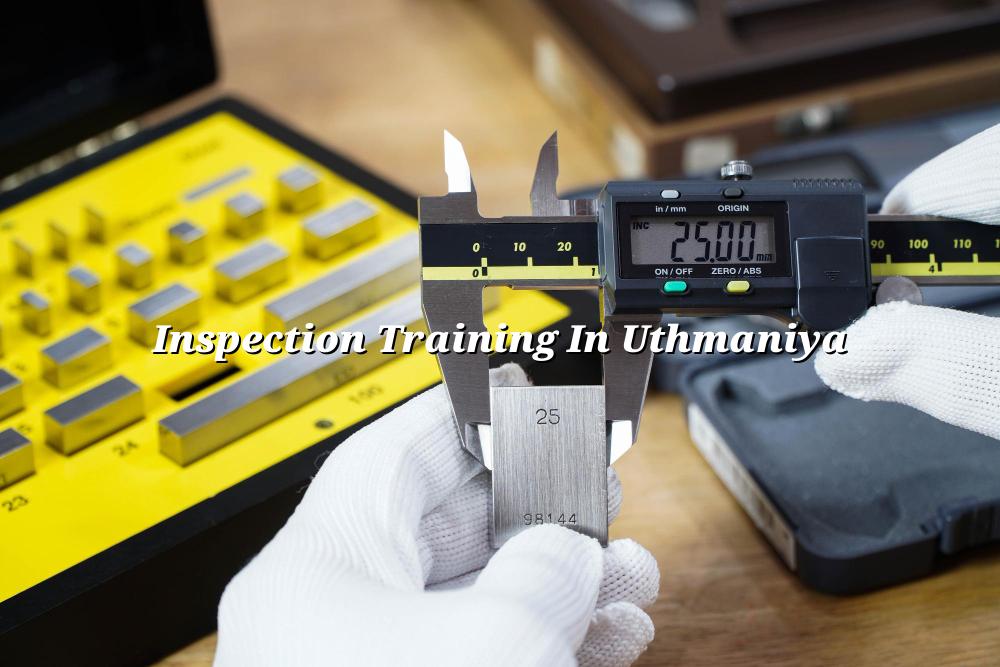
Inspection training in Uthmaniya gives your team the practical skill set they need to check lifting gear, PPE and site equipment with more confidence. If you're trying to reduce missed defects, tighten handover quality and speak the same language as your QA or maintenance team, this page will help.
We work with industrial teams across Saudi Arabia and the wider Middle East, where inspection work has to stand up to real site pressure. In our experience, people do best when training is tied to actual equipment, real checklists and the BS EN standards used on live projects, not classroom theory alone.
What inspection training in Uthmaniya should cover
Good inspection training is not just a presentation on defects. It should teach your people how to look at lifting equipment, understand acceptance points, record findings clearly and stop unsafe items from going back into service. For sites in Uthmaniya and nearby industrial zones, that usually means a mix of visual inspection discipline, identification of wear, traceable reporting and a clear route for escalation.
Why hands-on practice matters
We see the difference quickly. A team that has only read a procedure often spots obvious issues, but misses the smaller signs that matter, like cracked ferrules, damaged webbing, distorted shackles or illegible tags. Once people handle sample items, compare good and bad examples and work through real inspection records, their judgement gets sharper.
Where the training fits inside operations
Most companies in Saudi industrial work want inspection training that supports lifting operations, stores control, contractor management and shutdown planning. That means your inspectors need to know how to check incoming gear, confirm status before use, quarantine failures and hand notes to supervisors without confusion. It also helps when the training includes the paperwork side, because a clean report saves time later during audits or client reviews.
- Start with a site review — we look at the equipment types you use, the inspection scope and the level of experience in your team.
- Set the inspection criteria — the class covers the practical checks, document flow and the BS EN references relevant to your items.
- Run guided exercises — trainees inspect sample lifting accessories, PPE items or worksite tools and explain what they see.
- Review findings and reporting — each person learns how to write a clear result, tag defective items and pass the outcome to the right supervisor.
- Use real samples from your own store or workshop where possible.
- Keep inspection notes simple enough for shift teams to read quickly.
- Separate visual checks from acceptance decisions so the process stays clear.
- Build in escalation steps for damaged lifting gear or failed PPE.
- Tie the training to your permit-to-work and equipment release process.
Inspection areas, common checks and what trainees learn
| Inspection area | Typical checks | What the trainee learns |
|---|---|---|
| Lifting accessories | Hooks, shackles, slings, tags, deformation, wear | How to spot visible defects before use |
| PPE inspection | Harnesses, lanyards, stitching, labels, expiry and damage | How to record pass or fail decisions clearly |
| Site lifting gear | Marking, condition, storage, traceability and segregation | How to keep unsafe items out of circulation |
| Inspection records | Photos, observations, defect notes and sign-off flow | How to create reports that supervisors can act on |
How the right inspection training improves daily control
When inspection training is done properly, supervisors spend less time chasing unclear reports and more time managing work safely. That matters on busy Saudi sites where lifting activity, contractor movement and maintenance shutdowns can all happen at once. A trained inspector helps create a cleaner handover from store to site, and a cleaner handover means fewer arguments when equipment is questioned.
Practical benefits you can see
You get better defect recognition, more consistent tagging, stronger records and fewer surprises during internal checks. Teams also become more confident asking for a second opinion, which is a good habit when an item looks borderline. That kind of discipline saves headaches later.
Built for industrial teams
We keep the content practical. That means workshop examples, site language, defect identification and reporting methods your team can use straight away in Uthmaniya, Dammam and other Saudi industrial locations.
Standards, records and the way inspectors should write findings
For inspection work in Saudi Arabia, the training has to reflect the standards and customer expectations already in play on site. BS EN standards matter for lifting and inspection work, while clear internal records matter just as much when the client asks who checked what and when. The best reports are plain, dated and unambiguous. No extra words, no guesswork.
That style of writing is especially useful on multi-contractor jobs, where one bad note can slow the whole team down. If you train people to describe the defect, identify the item and state the next action, the report becomes a working tool rather than a file in a drawer.
Good report habits
Use item numbers, serials or tag references exactly as they appear on the equipment. Photograph the issue when needed. Keep one clear decision per line. Those habits sound simple, but they make a real difference when audit time comes around.
Onsite workshops, toolbox sessions and refresher training
We can shape inspection training around the way your business actually works. Some clients want an onsite workshop near their warehouse or project yard in Uthmaniya. Others prefer a short refresher for supervisors and storekeepers who already handle inspection records but need more confidence with defect calls.
Toolbox-style sessions also work well before shutdowns or lifting campaigns. They are short, direct and easy for shift teams to follow. If your operation depends on fast decisions, that format keeps the message tight and practical.
How Mayon Industrial Services Can Help
We support inspection training with the same practical approach we use for lifting-equipment inspection, PPE checks, NDT support and industrial site work. If your team in Uthmaniya needs training that links directly to real equipment, real records and the standards your clients expect, we can build it around that. We also support related calibration, mechanical and testing needs, so the training sits inside the full maintenance picture, not outside it.
Call +91 99447 80844 (India) or +966 59 633 8012 (Saudi Arabia), email services@mayonservices.com, or message us on WhatsApp.
Frequently Asked Questions
It usually covers visual inspection methods, defect recognition, reporting, tagging and safe escalation. For industrial teams, we often include lifting accessories, PPE checks and examples from real site conditions so the training feels useful on day one.
Yes, we can shape it around the gear you actually use and the way your permits, stores and maintenance teams work. That makes the session easier to apply, because the examples match your daily process instead of a generic classroom list.
Honestly, yes. Supervisors need to read the findings, make release decisions and know when to quarantine an item. A short, clear training session helps them ask better questions and stop weak gear from slipping back into service.
We do, because those references matter when teams are working with lifting equipment and inspection records. The aim is not to turn staff into standards writers, but to help them inspect, judge and report in a way that matches the site expectation.
Yes. We support Saudi clients from Dammam Industrial City 2 and can deliver onsite sessions for industrial teams that need practical instruction around their own equipment, store areas or project yards.
Ready to improve inspection confidence on site?
If your team needs practical inspection training in Uthmaniya, we can help you build a programme that fits your equipment, your standards and your work pace.
Contact Mayon