
Inspection Training in Rabigh
Build practical inspection skills for Rabigh sites with training that fits real maintenance, QA and safety routines.
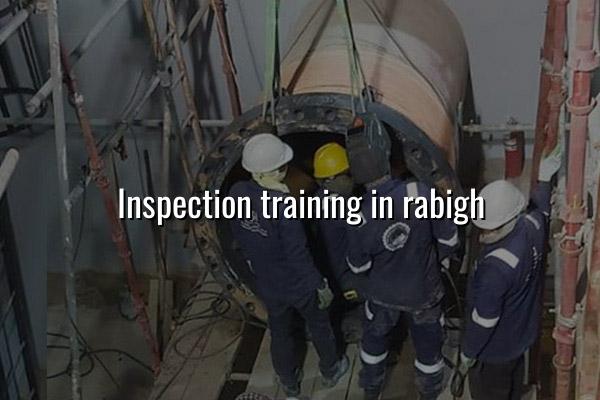
Inspection training in Rabigh helps your team spot faults earlier, record them properly, and keep plant equipment safe enough for work to continue without surprises. If you're handling lifting gear, electrical items, PPE or workshop tools, you need people who can inspect with confidence, not guesswork.
We build this around real industrial work in Rabigh and the wider Saudi operating environment, where oil & gas, petrochemical and maintenance teams need clear checks, traceable records and a calm approach under pressure. Our style is hands-on and technical, shaped by what supervisors, QA teams and technicians actually ask for on site.
Why Inspection Training in Rabigh Matters for Plant Teams
Most inspection problems don't start with a failed asset. They start with a missed sign, a vague checklist or a report that says too little. Inspection training in Rabigh gives your team the structure to check lifting equipment, visual condition, labels, wear points and documentation in a repeatable way, so findings can be acted on before they grow into stoppages or safety issues.
What the training usually covers
We keep the content practical. That means visual inspection discipline, defect recognition, safe handling of inspection tools, report writing, and the difference between a routine check and a formal inspection record. In many cases, the audience includes maintenance staff, safety officers and young engineers who need a clear method they can use the same day back at work.
Built around Saudi site conditions
Rabigh work sites often deal with heat, dust, corrosion, vibration and tight shutdown windows. Those conditions affect how equipment ages and how inspections should be done. We talk through the kind of wear patterns that show up on lifting accessories, portable appliances, workshop equipment and related safety items, so the team learns to read what the asset is telling them.
- Start with the asset list — we identify which tools, lifting items or safety equipment your team is actually responsible for.
- Set the inspection method — we show the right sequence for visual checks, condition notes and defect tagging.
- Practice on real examples — trainees compare good and poor condition items, then explain what they saw.
- Record findings properly — we train people to write clear notes that maintenance and management can use.
- Review the handover — we close with reporting habits, escalation points and refresher needs.
- Focus on defect recognition, not theory alone
- Use inspection checklists your team can keep using after the session
- Cover lifting equipment, PPE and electrical safety items where relevant
- Reinforce traceable records that suit ISO-style plant discipline
- Keep the language clear for technicians, supervisors and new hires
Inspection Topics, Typical Use, and What Trainees Learn
| Topic | Typical Site Use | Skill Trainees Build |
|---|---|---|
| Lifting equipment inspection | Cranes, slings, shackles and hooks in maintenance and shutdown work | Recognise wear, deformation, missing marks and unsafe handling conditions |
| PPE inspection | Helmets, harnesses, gloves and eye protection used on active work fronts | Check condition, expiry cues, damage and when items must be removed from service |
| Visual defect checks | General plant rounds, stores, workshops and field equipment | Spot corrosion, leaks, cracks, looseness and poor housekeeping signs early |
| Reporting and escalation | Shift handover, maintenance follow-up and supervisor review | Write clear notes, tag defects correctly and pass issues to the right owner |
How the Right Method Changes Daily Work
Once people know what to look for, the whole inspection process gets cleaner. Supervisors spend less time guessing whether a defect is real, maintenance teams receive better information, and the business gets fewer arguments about what happened during handover. In our experience, that matters just as much as the inspection itself.
Where the value shows up first
You usually see the difference in the small things: a damaged accessory removed before use, a faded label replaced on time, a report that names the defect instead of hiding it, or a technician who knows when to stop and ask for a second opinion. Those habits are what keep inspection work useful after the classroom part ends.
What good inspection training looks like
It should match the items your team uses, the risks on your site, and the way your managers read reports. For Rabigh operations, that usually means practical examples, clear forms and enough repetition for people to trust what they see. We keep it grounded in field reality, not classroom theory alone.
Who Should Attend and What They Need Before the Session
We usually recommend this training for maintenance technicians, HSE staff, storekeepers handling controlled items, and supervisors who approve equipment for use. If your team already works with lifting gear, portable appliances, workshop assets or inspection records, the session helps them tighten the way they check and sign off work.
Before we start, it's useful to share your current checklists, sample records and any recurring defect types you see on site. That lets us shape the examples around your actual work. It also means the session feels familiar to your team instead of generic, which makes the lessons stick better.
Simple prep that helps a lot
Bring along a few sample items, a current inspection form and one or two reports that caused confusion. Those documents tell us where the gaps are. From there, we can adjust the training to cover wording, observation quality, tagging practice and escalation routes that fit your site.
- Maintenance and inspection staff who need a better routine
- HSE teams that review equipment before release to work
- Supervisors who sign off daily or weekly checks
- Teams in oil & gas, petrochemical, power and manufacturing facilities
How Mayon Industrial Services Can Help
We support inspection training with the same practical mindset we use in calibration, inspection services, PAT testing and industrial support work. If your Rabigh team also needs equipment checks, calibration of measuring tools, or help building better reporting discipline, we can shape the session around that wider need and keep the advice grounded in field conditions.
Call +91 99447 80844 (India) or +966 59 633 8012 (Saudi Arabia), email services@mayonservices.com, or message us on WhatsApp.
Frequently Asked Questions
It usually covers visual inspection discipline, defect recognition, basic reporting, and safe handling of the items you're checking. For many teams, that includes lifting gear, PPE, portable equipment and workshop assets. We shape it around the equipment list you actually use, so the examples feel real.
Maintenance technicians, HSE staff, storekeepers, and supervisors are the usual fit. If people are approving equipment for use or recording defects, they should know the same inspection method. That keeps decisions consistent across shifts.
Yes, that's one of the most useful ways to run it. We can focus on lifting accessories, PPE condition checks, missing markings, wear, deformation and the way findings should be recorded. If you have site forms already, we can work from those too.
Good training gives your team a repeatable method and cleaner records, which makes reviews easier. Auditors usually want to see that checks are done consistently, defects are raised properly and the right people can explain the process. Training makes those habits part of normal work.
Yes. We support clients across Saudi Arabia, including industrial and maintenance environments that need practical inspection skills. If your operation is in Dammam, Jubail, Yanbu or another industrial location in the Kingdom, we can discuss the right format.
Ready to improve inspection confidence on site?
If your team in Rabigh needs better inspection habits, clearer records and practical field-based training, talk to us and we'll help shape the right session.
Contact MayonGood inspection work is learned through practice, not theory alone. If you want a team that can spot defects earlier, write cleaner reports and work with more confidence, Mayon Industrial Services is ready to help.