
Inspection Training in Petro Rabigh
Practical inspection skills for plant teams working in Petro Rabigh, the Rabigh industrial zone and wider Saudi operations.
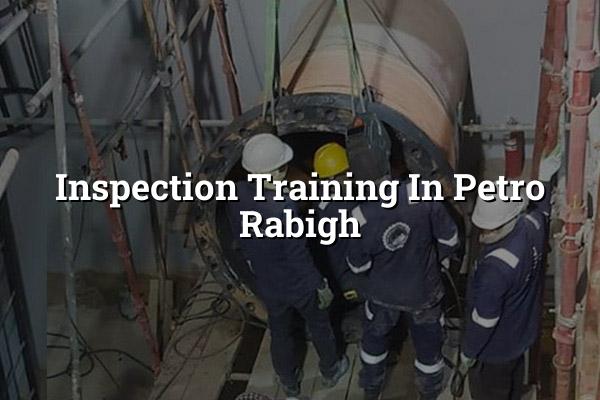
Inspection training in Petro Rabigh is usually needed by teams who already know the plant, but want sharper inspection judgement at the point of use. We help you build the habits that matter on site: how to spot damage early, how to record findings cleanly, and how to back decisions with BS EN-based practice and disciplined reporting.
That matters in Rabigh because the work environment is unforgiving. Around refining, petrochemical, utilities and maintenance shutdowns, your people need more than theory. They need a way to inspect lifting gear, PPE, mechanical items and plant equipment with confidence, then speak the same technical language as supervisors, QA staff and contractors.
Why Inspection Training in Petro Rabigh Matters
Inspection training in Petro Rabigh is not just for newly assigned technicians. In our experience, the stronger programmes are the ones that help maintenance, HSE and QA teams align on what “fit for service” actually looks like. A good inspector knows what to check, what to measure, what to photograph and when to stop a job and raise the issue.
What your team learns on the job
We keep the training practical. That means using real plant examples: corrosion on structural members, damage on lifting accessories, missing markings on equipment, wear on wire ropes, and simple inspection records that tell the next person exactly what was found. Where needed, we also tie the learning back to ISO/IEC 17025:2017 traceability for calibration-linked tools and to ISO 9001:2015 quality routines used in site documentation.
Where the Rabigh context changes the work
Petro Rabigh sites often sit inside tightly controlled industrial environments with strict permit systems, contractor interfaces and shutdown windows. That changes how inspections are planned and documented. Teams need clear handover notes, disciplined checklists and a way to separate routine wear from defects that need escalation. Once people understand that difference, inspection decisions become much easier to defend.
- Start with the asset list — identify the lifting equipment, PPE, mechanical items or plant components your team actually handles in Petro Rabigh.
- Review the inspection standard — map the task to the right BS EN requirement, site rule or client procedure before anyone opens a checklist.
- Practice the observation method — train people to look for wear, deformation, missing tags, leakage, loose fasteners and other visible defects.
- Record, classify and escalate — teach the team how to write a usable report, tag nonconforming items and pass issues to maintenance or shutdown control.
- Verify the tools used — make sure gauges, meters and test instruments are fit for purpose and properly calibrated before field use.
- Use job-specific checklists instead of one generic form for every inspection task.
- Train inspectors to take clear photos with a scale reference where the defect size matters.
- Keep inspection notes short, factual and easy for the next shift to read.
- Separate visual acceptance from testing, because they are not the same thing.
- Recheck critical items after maintenance work, especially before return-to-service.
Typical Inspection Topics for Petro Rabigh Teams
| Topic | What Inspectors Look For | Common Site Outcome |
|---|---|---|
| Lifting equipment | Tags, deformation, wear, legibility, safe working condition | Better pre-use checks and cleaner handover to lifting supervisors |
| PPE inspection | Cracks, expiry, fit, damage, contamination and missing markings | Fewer unsafe items staying in circulation |
| Mechanical items | Leakage, looseness, corrosion, abnormal noise and visible damage | Earlier maintenance calls before failure grows |
| Reporting discipline | Photo evidence, defect wording, status tagging and escalation path | Reports that maintenance and QA can act on without rewrites |
How We Build Inspector Confidence
People usually get faster when they understand the reason behind each check. We teach teams to read the condition of an item, not just tick boxes. That can mean noticing when a sling has lost its identification, when a PPE item is past sensible service life, or when a mechanical component needs follow-up testing rather than another quick look.
Training that fits shutdown and maintenance routines
For Petro Rabigh projects, timing matters. The best learning happens when training is tied to actual plant activity: walkdowns, maintenance rounds, turnarounds, and pre-start inspection preparation. We can support teams with inspection awareness sessions, calibration awareness for test tools, and practical documentation guidance that suits industrial work in Saudi Arabia.
What usually changes after training
Teams start finding defects earlier, writing clearer findings, and asking better questions before equipment goes back to service. That saves time later, because the next person doesn’t have to guess what was checked, what was missed or why a tag was removed.
What Good Inspection Training Covers
Good training covers more than defect spotting. It also covers traceability, documentation and the limits of visual inspection. That is especially relevant where your teams use calibrated tools, record measurements on site or support client audits. We bring in the same practical mindset used across our calibration, inspection and mechanical service work, so the training stays close to real plant conditions.
We also keep the conversation grounded in local industry. Petro Rabigh sits inside a Saudi market that expects disciplined records, contractor control and technically sound handover notes. When inspectors understand the standard, the reporting format and the escalation route, supervisors spend less time correcting paperwork and more time dealing with the actual issue.
How Mayon Industrial Services Can Help
We support inspection training with the same practical mindset we use in calibration, mechanical services, inspection and lab setup. If your Petro Rabigh team needs help with lifting-equipment checks, PPE inspection awareness, reporting discipline or training around calibrated tools, we can shape the session around your work scope. We also support clients across Saudi Arabia, India and the Middle East with onsite delivery where the job makes more sense in the field.
Call +91 99447 80844 (India) or +966 59 633 8012 (Saudi Arabia), email services@mayonservices.com, or message us on WhatsApp.
Frequently Asked Questions
We usually cover the practical side of inspection: what to look for, how to record defects, how to classify findings and when to escalate. The exact content depends on whether your team handles lifting equipment, PPE, mechanical items or general plant inspections. We tailor the session so it matches the work you actually do in Petro Rabigh.
Yes. That is one of the common requests we get from site teams and supervisors. We can focus on visual checks, identification, condition recording and the kind of reporting that helps with BS EN-based inspection routines and internal safety controls.
Yes, we can support onsite delivery in Saudi Arabia, including industrial locations like Petro Rabigh and Dammam Industrial City 2. That helps when your team needs site-specific examples, local procedures and a training format that fits plant access rules and shift patterns.
It helps maintenance teams spot problems earlier and write clearer defect notes. That means less confusion between shifts, fewer items being passed around without a proper condition check, and better decisions about repair versus replacement.
We do, because the best inspection work depends on tools and records you can trust. Where your inspection process uses measuring instruments, we can discuss calibration traceability, practical tool checks and the documentation habits that support ISO/IEC 17025:2017 and ISO 9001:2015 aligned work.
Ready to improve inspection discipline in Petro Rabigh?
If your team needs practical inspection training that fits real plant work, talk to Mayon Industrial Services and we’ll shape the support around your site.
Contact Mayon