
Inspection Training in Najran
Practical inspection training for teams working on Saudi industrial sites, with a focus on real job checks and safer decisions.
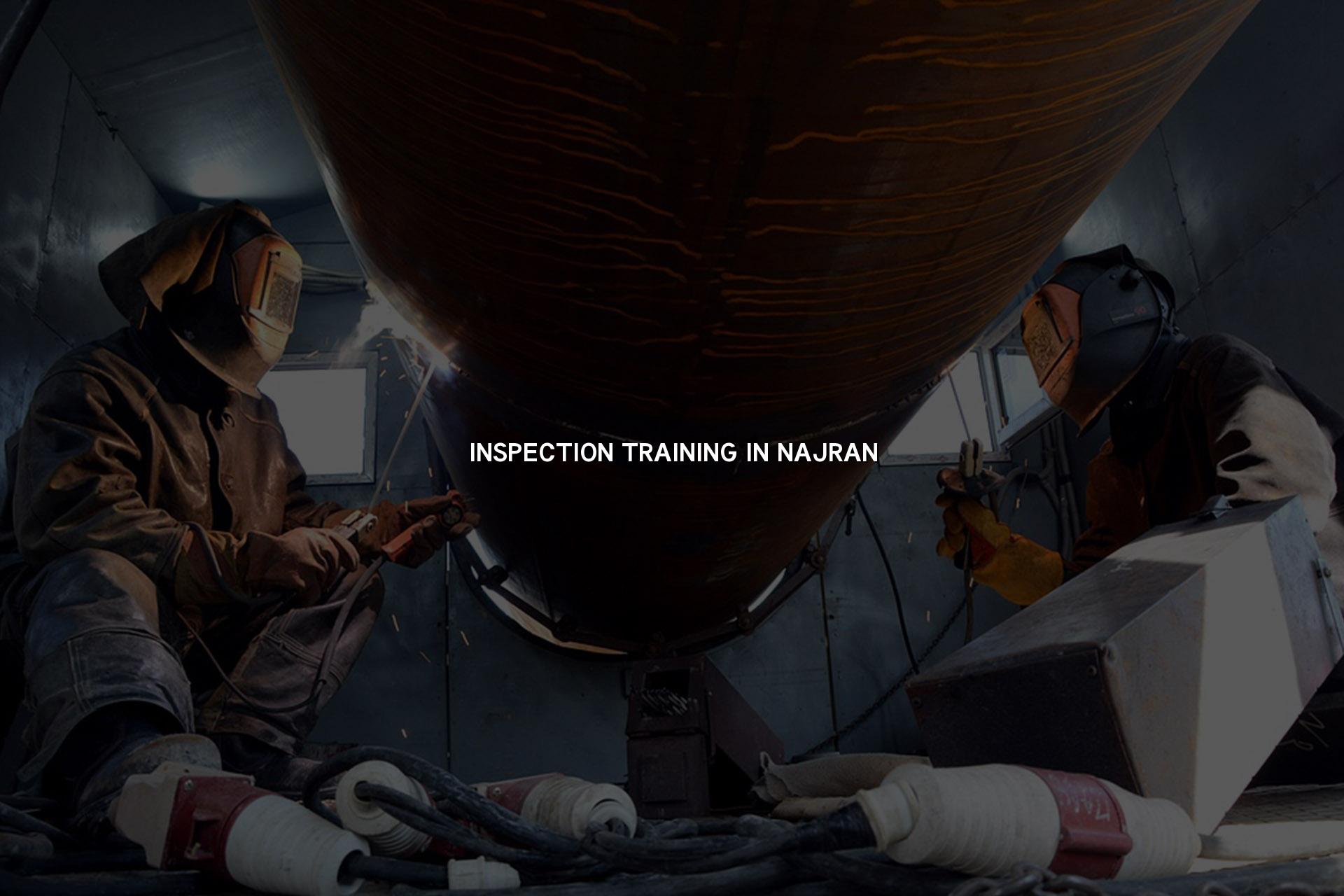
Inspection training in Najran helps your team spot defects early, keep records straight, and make better decisions before equipment goes back into service. If you're handling lifting gear, PPE, pipework, or general site checks, this page shows what the training should cover and how it supports day-to-day work.
We write this from real industrial use cases in Saudi Arabia, not a classroom-only angle. On plants, construction sites, and maintenance shutdowns, people need practical inspection habits, clear reporting, and the confidence to stop work when something doesn't look right.
What inspection training in Najran should cover
Good inspection training in Najran is built around what your people actually touch: lifting accessories, portable equipment, PPE, simple mechanical items, and the documentation that proves a check was done properly. In our experience, teams struggle less with the idea of inspection and more with consistency — one shift writes clear findings, the next one uses guesswork. That gap is where avoidable risk creeps in.
Why teams ask for this training
Most managers come to us because they need inspection checks to be repeatable across supervisors, maintenance staff, and contractors. In Saudi industrial work, that usually means giving people a common method for visual inspection, acceptance checks, defect reporting, and escalation. It also helps when the team understands where BS EN standards apply for lifting-related inspection work, instead of relying on local habit or memory.
What people learn on site
The best sessions are hands-on. We show how to look for wear, distortion, missing tags, damaged PPE, poor marking, and signs that equipment shouldn't be used. We also cover how to record findings clearly, because a vague note like "looks okay" doesn't help the next person who opens the file.
- Start with the asset — identify what you're inspecting, its duty, and where it is used on site.
- Check condition against known criteria — look for damage, corrosion, deformation, missing labels, or abnormal wear.
- Record the result properly — write the finding, location, date, and action needed in a way another supervisor can follow.
- Escalate unsafe items — remove suspect equipment from service and route it to the right repair or testing team.
- Builds a common inspection method for supervisors and technicians.
- Helps teams spot damage before equipment reaches the workfront.
- Supports cleaner inspection logs for audits and internal reviews.
- Fits oil & gas, construction, power, manufacturing, and warehouse sites.
Typical inspection topics and the job value each one adds
| Topic | What the trainee checks | Why it matters on site |
|---|---|---|
| Lifting equipment inspection | Hooks, shackles, slings, tags, wear, deformation | Helps prevent unsafe lifting and bad release decisions |
| PPE inspection | Damage, expiry signs, fit, cleanliness, missing parts | Keeps basic protection in service only when it still works |
| General visual inspection | Leaks, cracks, corrosion, loose fasteners, abnormal noise | Finds obvious defects before a job is handed over |
| Inspection records | Findings, actions, status, traceability, sign-off | Makes audit trails easier for QA and maintenance teams |
Training that fits inspections, audits, and daily maintenance
Inspection training works best when it matches the way your site runs. A warehouse team in Najran may need fast checks on handling gear and pallets, while a contractor on a plant job may need more focus on lifting accessories, site access equipment, and defect reporting. The training should speak to those realities instead of teaching a generic checklist that nobody uses on Monday morning.
How we keep it practical
We build around examples your people recognise, and we keep the language plain. Where standards matter, we reference the right framework, including BS EN standards for lifting and inspection work. That way the training supports the kind of discipline QA managers want without burying the team in theory.
Real inspection behaviour on real sites
We focus on what a good inspector does at the point of use: look, compare, document, and act. That includes knowing when to stop using an item, who to inform, and how to keep the result traceable for later review.
Who should attend inspection training in Najran?
This kind of training suits people who sign off work, check contractors, or carry responsibility for equipment release. That usually includes HSE staff, QA coordinators, maintenance supervisors, site engineers, lifting teams, warehouse leads, and anyone who's asked to decide if an item can keep working. If they make inspection decisions, they should know how to make them consistently.
For businesses in Najran and nearby industrial areas, the bigger gain is less rework. When the team knows how to report a defect properly, maintenance gets clearer input, procurement gets better replacement data, and supervisors waste less time translating unclear notes.
Common mistakes we see
People often rely too much on habit. They skip recording the defect location, don't separate minor wear from rejectable damage, or forget to isolate suspect equipment. Another common issue is mixing inspection with repair — those are different jobs, and if the line between them gets blurred, the record gets messy fast.
- Useful for new supervisors who need confidence before signing off work.
- Helps contract teams keep a common standard across multiple crews.
- Supports internal audit prep and better file housekeeping.
- Fits sites that already use ISO 9001:2015 quality routines.
How the inspection training session usually runs
We usually keep the delivery focused and practical. The trainer explains the inspection method, walks through sample items, asks the group what they see, then corrects the inspection notes so the record matches the defect. People remember that better than a long slide deck.
Where needed, we can link the session to your existing calibration, maintenance, or third-party inspection workflow. That matters in industrial work because a good inspection only helps if the next step is clear: service, repair, retest, quarantine, or disposal.
- Site-specific examples from Saudi industrial and construction work.
- Plain guidance on visual checks, reporting, and escalation.
- Links inspection habits to maintenance and QA follow-up.
- Practical enough for supervisors, technicians, and contractor leads.
How Mayon Industrial Services Can Help
We support inspection training with the same industrial discipline we use in calibration, inspection services, mechanical work, and lab setup. If you need a team in Najran to understand what to look for, how to document it, and when to escalate, we can shape the session around your site, your equipment, and your work control process. That saves time later, and it makes the people signing off work far more certain about their calls.
Call +91 99447 80844 (India) or +966 59 633 8012 (Saudi Arabia), email services@mayonservices.com, or message us on WhatsApp.
Frequently Asked Questions
It usually covers visual inspection methods, defect recognition, safe release decisions, and clear reporting. For industrial teams, we also include examples from lifting gear, PPE, and basic equipment checks so the session matches real site work.
Supervisors, QA staff, maintenance leads, HSE teams, and contractor coordinators are the usual group. If someone is expected to decide whether an item stays in service, that person should be part of the training.
Yes. Where lifting and inspection work is involved, we can reference BS EN standards so the team understands the expected inspection discipline. We keep it practical and tied to your equipment, not just the standard text.
Honestly, yes. New supervisors often know the equipment but not the recording discipline. A focused session helps them learn what to look for, how to phrase findings, and when to hold equipment out of use.
Yes. We often work across inspection, calibration, and mechanical services, so we can keep the training tied to how your site actually manages assets. That helps the inspection result flow into repair, testing, or retest without confusion.
We serve clients in Saudi Arabia, India, and the wider Middle East. If your team is based in another industrial city in the region, we can discuss the right setup through our contact channels.
Ready to build stronger inspection habits?
If your team in Najran needs better checks, cleaner records, and a more confident sign-off process, talk to us and we'll shape the training around your site.
Contact Mayon