
Inspection Training in Tanajib
Practical inspection training for site teams who need safer checks, better records and field-ready confidence in Tanajib.
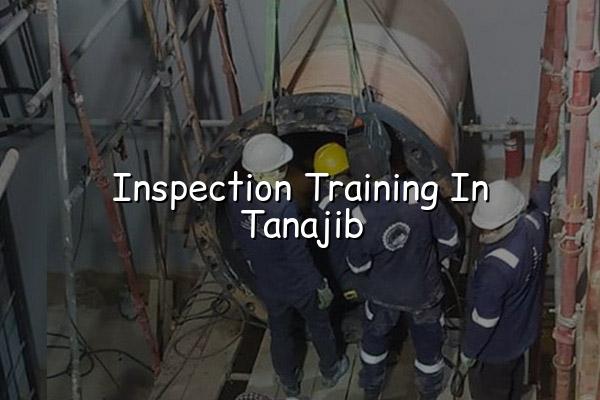
Inspection training in Tanajib helps your team spot defects early, record them properly and stop small issues from turning into shutdown work. If you're handling lifting gear, PPE, NDT paperwork or routine visual checks in the field, this page shows what a solid training scope should cover and how it ties back to safer work.
We write this for maintenance leads, QA teams and site supervisors working around Saudi Arabia's oil, gas and petrochemical assets. Tanajib jobs need discipline, clear reporting and practical inspection habits, not classroom theory that falls apart on a live worksite.
Inspection Training in Tanajib for field teams
Good inspection training in Tanajib should give people a repeatable way to check equipment, write observations and escalate defects before equipment goes back into service. That matters on plant sites where lifting accessories, pressure-related items, hand tools, PPE and access equipment all move through different crews, shifts and contractors. When the handover is weak, the record is weak too.
Why practical inspection skills matter on live industrial sites
In our experience, the best teams do the basics well: they know what a damaged sling looks like, how to spot distorted shackles, which PPE items are fit for continued use and when a finding needs isolation instead of a note in a logbook. Tanajib sites often run on tight coordination, so the training has to fit real shift patterns and real job cards.
How Mayon structures the learning
We keep the content grounded in site work. That means visual inspection discipline, defect classification, traceability, reporting language and the difference between a simple observation and a stop-use condition. Where needed, we link inspection habits to BS EN expectations for lifting and inspection work, and to the kind of documentation managers expect from an ISO 9001:2015 quality system.
- Start with equipment identification — the team learns to separate lifting gear, PPE, access tools and NDT-related items before inspection begins.
- Check visible condition first — trainees record wear, corrosion, deformation, missing tags and contamination before they touch any paperwork.
- Match the defect to the risk — each finding is graded so the next action is clear: monitor, quarantine or remove from service.
- Complete records cleanly — the final step is writing reports that another supervisor can read without guessing what happened on site.
- Use real examples from Tanajib-style field conditions, not generic classroom slides.
- Build inspection habits around lifting equipment, PPE and job-site walkdowns.
- Train people to write short, factual defect notes that stand up in audits.
- Separate routine visual checks from specialist NDT or third-party inspection tasks.
Inspection topics, tools and site outcomes
| Topic | What trainees check | Why it matters on site |
|---|---|---|
| Lifting gear inspection | Slings, shackles, hooks, hooks with latches, tags and visible damage | Helps crews catch unsafe gear before a lift starts |
| PPE inspection | Helmets, gloves, eye protection, harnesses and expiry or wear issues | Reduces avoidable exposure during daily field work |
| Basic NDT awareness | Where visual inspection ends and specialist testing begins | Keeps teams from overcalling or undercalling defects |
| Inspection reporting | Findings, action status, isolation notes and handover language | Makes the record usable for supervisors and auditors |
What strong inspection habits prevent
Strong inspection habits cut down on repeat defects, failed handovers and avoidable equipment withdrawals. They also make supervision easier. When a foreman can read the inspection note and know exactly what failed, the next action becomes obvious. That saves time in the field, especially where multiple contractors share the same work area.
Records that support audits and handover
A proper inspection record should identify the item, the issue, the condition at the time of inspection and the action taken. For lifting equipment, the note should be specific enough that another inspector would reach the same conclusion. For PPE, the record should show pass or fail without vague wording. That kind of discipline supports internal controls and keeps teams aligned with BS EN-style inspection expectations.
Built for industrial work, not theory
We design sessions for real plant conditions in Tanajib and the wider Eastern Province. People learn faster when the examples look like their day shift: weathered lifting points, mixed-condition PPE, tagged equipment moving between contractors and reports that need to be signed off without argument.
How Mayon Industrial Services Can Help
We support inspection training with the same field discipline we use in calibration, inspection services and mechanical work. If your Tanajib team also needs lifting equipment inspection, NDT support, PPE checks, or help setting up better records and procedures, we can align the training to the work you actually do. That keeps the lessons practical and the paperwork usable.
Call +91 99447 80844 (India) or +966 59 633 8012 (Saudi Arabia), email services@mayonservices.com, or message us on WhatsApp.
Frequently Asked Questions
It usually covers visual inspection basics, defect recognition, reporting, isolation steps and the difference between routine checks and specialist testing. For industrial sites, we also include lifting gear, PPE and handover discipline so the team can use the training on the job the same day.
Yes. That is usually the best way to do it, especially for field teams working with slings, shackles, harnesses and daily issue PPE. We shape the content around your equipment list, your site rules and the way your supervisors sign off findings.
Honestly, yes. Sites in Saudi Arabia tend to expect clear traceability, tidy records and disciplined handover, and this training is built around those habits. We keep the examples practical for Tanajib and similar industrial work areas where lifting and maintenance activity happen side by side.
Training teaches your people how to recognise, record and escalate issues. Third-party inspection is the actual independent checking of equipment or assets. Many sites need both: trained staff for daily control and specialist inspection for formal verification or compliance work.
Yes, where the training scope calls for it. We keep the focus on the practical inspection behaviour that supports BS EN-based lifting and inspection work, so your team understands what to look for and how to document it without overcomplicating the process.
We can. That is often useful when a site wants one practical workflow for inspection, calibration and maintenance follow-up. It keeps the asset history cleaner and helps supervisors move from finding a problem to fixing it with fewer gaps in the record.
Ready to strengthen inspection discipline on site?
If your Tanajib team needs training that feels like real field work, we can help shape the content around your equipment and reporting needs.
Contact Mayon