
Lifting Equipment Inspection Company in Red Sea
Independent lifting checks for cranes, slings, chains, shackles and accessories used across Red Sea projects.
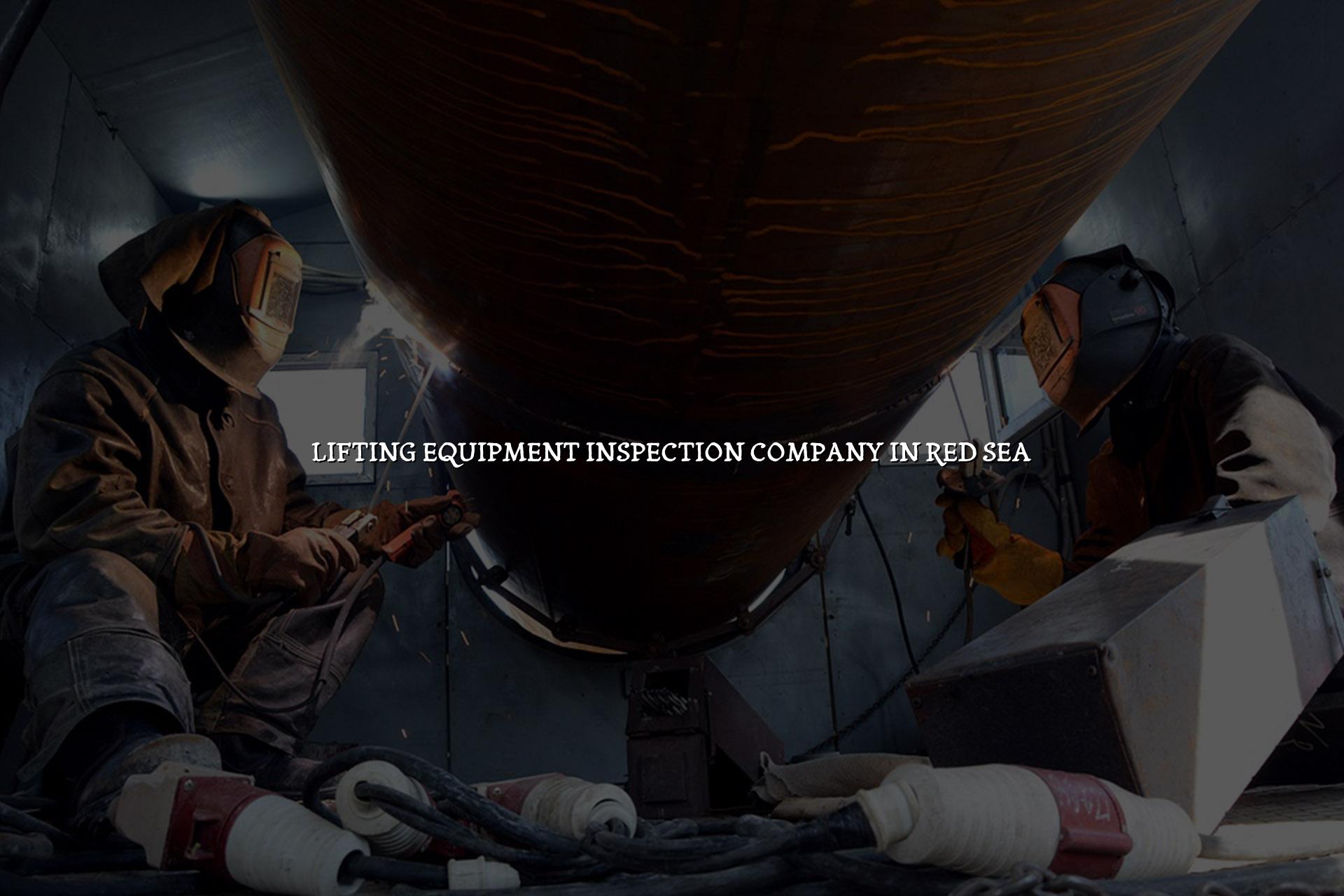
Lifting equipment inspection company in Red Sea searches usually come from teams that need proof, not promises. We check lifting gear, spot defects before they become downtime, and help you keep work moving with clear, third-party findings.
Our team supports ports, marine yards, oil and gas projects, fabrication shops and maintenance crews working around Red Sea corridors. We combine BS EN-based inspection practice, NDT where needed, and practical field experience from India, Saudi Arabia and the wider Middle East.
Lifting Equipment Inspection Company in Red Sea for Real Site Work
In the Red Sea region, lifting gear works hard. You see it on quay side cargo lifts, maintenance shutdowns, tank farm jobs, offshore support work, and fabrication yards where cranes, slings and shackles change hands all day. Our inspection approach is built for that pace. We look at the item, the load path, the marking, the condition, and the evidence behind the certificate.
What gets checked during an inspection?
We inspect the obvious wear points first: deformation, corrosion, cracked welds, missing tags, stretched links, damaged hooks, swivel play, broken wires and heat damage. Then we move to the boring details that matter just as much. Working load limit markings, traceability, manufacturer data, prior reports and safe use in the actual job environment all get reviewed.
Why Red Sea sites ask for third-party checks
Most managers in this area want one thing: confidence when a lift starts. Third-party inspection helps when your own crew needs an independent opinion, when a client asks for documents, or when a shutdown team has no room for guesswork. It also helps in mixed fleets where equipment comes from different vendors and different service histories.
- Book the inspection scope — tell us what gear you have, where it is, and whether it needs on-site or workshop review.
- We verify identity and records — serial numbers, tags, certificates, visual condition and previous findings are checked first.
- Inspection and testing follow — visual assessment, dimensional checks, functional review and NDT as required for the item and job.
- Report and release decision — we issue clear findings so you know what passed, what needs repair, and what should stay out of service.
- Suitable for cranes, slings, shackles, hooks, chain blocks and lifting accessories.
- Helps maintenance teams catch wear before a planned shutdown turns into a delay.
- Supports third-party review for port work, yard equipment and contractor handover.
- Works with BS EN inspection expectations used by lifting and industrial clients.
Common Lifting Gear and What We Check
| Equipment | Typical checks | What the client gets |
|---|---|---|
| Wire rope slings | Broken wires, birdcaging, corrosion, kinks, end fitting condition | Pass/fail finding with defect notes and follow-up action |
| Chain slings | Wear, elongation, cracks, damaged links, leg balance, tag details | Inspection record suited for shutdown and site control files |
| Shackles and hooks | Deformation, throat opening, pin fit, safety latch condition, markings | Clear release status for safe lifting use |
| Chain blocks and hoists | Load chain wear, brake function, side plate condition, lifting movement | Field-ready report for workshop or site supervisors |
Why inspection matters before the lift starts
Bad lifting gear rarely fails in a dramatic way first. It usually shows smaller signs: worn hooks, stretched chain, unreadable tags, a damaged latch, or a sling that looks fine from five metres away but fails when we measure it. That is where an experienced lifting equipment inspection company in Red Sea adds value. We slow the job down long enough to catch the issue before the lift does it for you.
Built for clients who need evidence
Our reports are written so maintenance leads, QA teams and site supervisors can act on them. If an item passes, you have support for continued use. If it fails, you know why, and you know what needs repair, retest or replacement.
Suitable for ports, yards and offshore support
Red Sea operations often mix crane lifts, mobile equipment and contractor-owned tools. We inspect them with that environment in mind, so your team isn't left reading a generic checklist that misses the real risk points on site.
How a lifting equipment inspection usually runs
For most jobs, the workflow is simple and direct. You send the item list, location and any current documents. We agree the inspection method, then our engineer checks the equipment on site or in the lab, depending on the item and condition. If a repair is needed, we can help with the next step instead of leaving you with a dead-end report.
What changes the inspection method?
The item type matters, of course. So does access. A sling in a warehouse is not the same as a hoist mounted in a tight plant room or a shackle working in a marine yard with salt exposure. We decide the approach around the equipment, not the other way round.
Records that help during audits
Clients in Saudi Arabia and across the Middle East often ask for cleaner traceability, especially on contractor jobs and shutdown packages. Keeping inspection records tidy makes life easier when a client, insurer or internal HSE team asks for proof. It also helps when you're sorting mixed assets across different locations.
- Helps keep lifting accessories aligned with BS EN expectations.
- Suitable for planned maintenance, shutdown support and contractor handover.
- Works well for assets exposed to dust, heat, humidity and marine air.
- Pairs inspection with repair, retest and certification where needed.
Frequently Asked Questions
That depends on whether you need a quick site inspection, a formal third-party report, or inspection plus repair support. We work with lifting gear used in Red Sea ports, yards and project sites, and we focus on clear findings that your team can act on. The right partner is the one that understands the equipment and the work environment, not just the paperwork.
We commonly inspect wire rope slings, chain slings, shackles, hooks, chain blocks, hoists and other lifting accessories. If the item carries load, connects to a lift, or supports rigging work, it should be checked before use. On busy sites, the smaller items are often the ones people forget until a defect shows up.
Yes. We support Saudi Arabia from Dammam Industrial City 2 through SMC Engineering Services / Sixfaces Maintenance Co. That makes us a practical option for teams handling lifting gear in industrial zones, marine work, fabrication and maintenance operations around the Red Sea side of the country.
Yes, on-site inspection is often the best option when equipment is already installed, in service, or too large to move easily. We regularly work in industrial environments where access is limited and the job needs to stay on schedule. If something needs a workshop review, we can guide you on the next step.
For lifting and inspection work, we align our practice with BS EN standards as requested by client and site requirements. Where lifting equipment forms part of a wider quality or maintenance system, we keep the reporting clear enough for internal audits and contractor files. If you need a specific document trail, tell us at the start.
Yes. We can help you understand the defect, decide whether repair is sensible, and arrange retest after corrective work where that suits the job. That is often easier than sending the item from one vendor to another while the site waits for a decision.
How Mayon Industrial Services Can Help
We handle lifting equipment inspection as part of a wider industrial support service, so you can bring us the gear, the site issue or the maintenance plan and we’ll work from there. Our team also supports calibration, mechanical services, inspection, repair and maintenance, which helps when a lifting job sits inside a bigger shutdown or compliance scope.
Call +91 99447 80844 (India) or +966 59 633 8012 (Saudi Arabia), email services@mayonservices.com, or message us on WhatsApp.
Ready to keep your lifting gear in safe working order?
If your Red Sea site needs inspection, documentation or follow-up action on lifting equipment, our team is ready to help you sort it properly.
Contact Mayon