
Lifting Equipment Inspection Company in Tanajib
Third-party lifting checks for Tanajib projects, with field-ready inspection support and clear documentation for site teams.
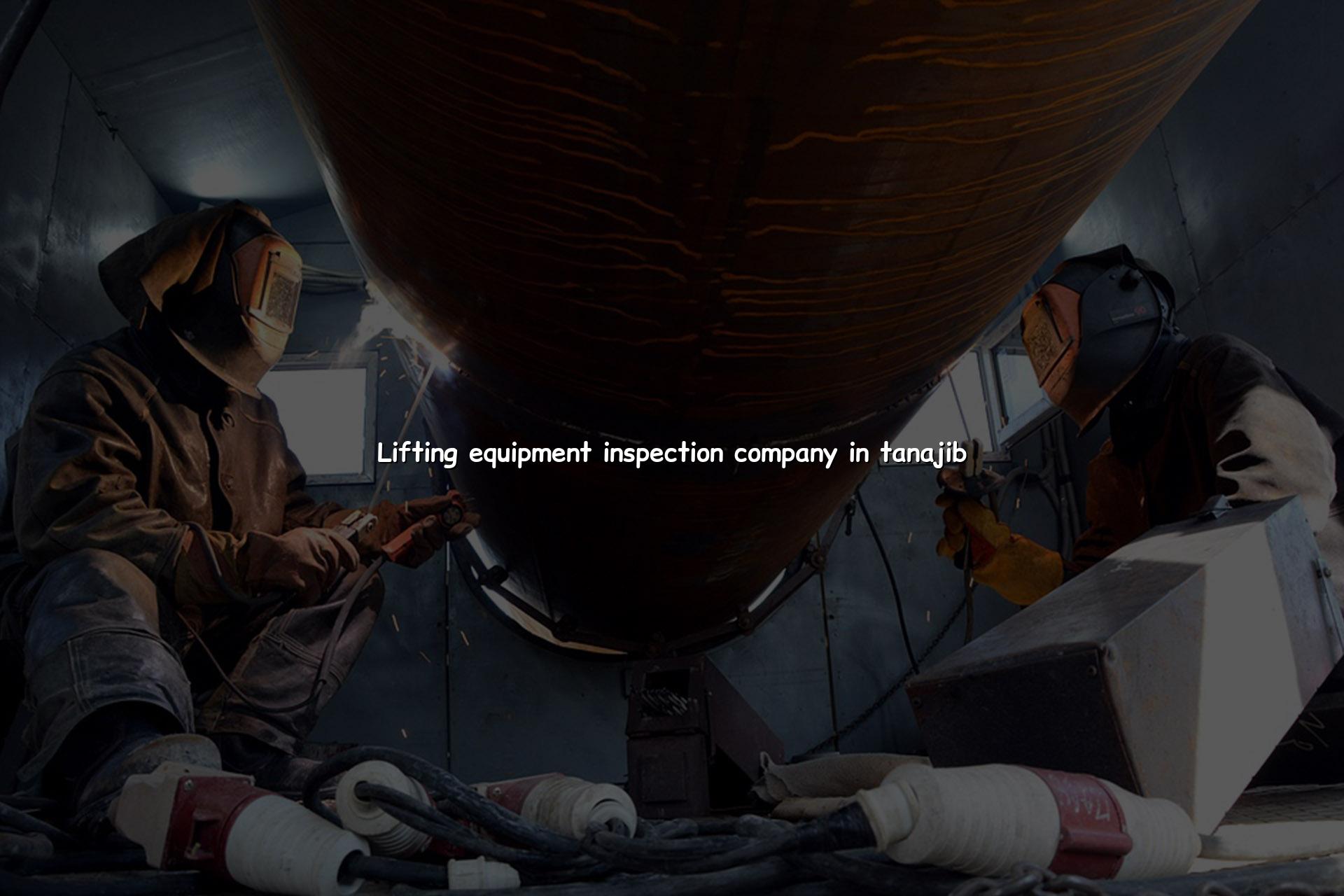
Lifting equipment inspection company in Tanajib services need to be practical, traceable, and ready for real site conditions, and that is exactly what project teams ask us for. If you manage cranes, slings, shackles, hooks, beams, chain blocks, or lifting accessories, this page shows how we inspect them and what you should expect before equipment goes back into use.
Tanajib sites work under tight operational pressure, especially around oil and gas maintenance, construction support, and heavy lifting on remote industrial jobs. We help maintenance managers, HSE teams, and procurement teams keep lifting gear aligned with BS EN standards, reduce unplanned stoppages, and make sure inspection records are clear enough for audits and internal sign-off.
What a lifting equipment inspection company in Tanajib checks
When a lifting gear inspection is done properly, we are not just looking for obvious damage. We check identification, load markings, wear, deformation, corrosion, broken strands, hook throat opening, latch condition, and whether the item still matches the duty it was bought for. For lifting equipment used in Tanajib, that matters because the work is usually time-sensitive and the equipment often sees rough handling, sand, heat, and repeated mobilization.
Why the site context changes the inspection
Tanajib is not a workshop bench job. Gear may be stored outdoors, moved between vessels, yards, and laydown areas, then used again after long idle periods. That mix makes visual condition and traceability just as important as the actual test or examination, which is why our team pays close attention to ID tags, service history, and any mismatch between the item and its certificate.
How we approach the job
We treat each item as part of a lifting system, not a standalone object. A shackle that looks fine on its own can still be rejected if its pin is wrong, if the body is stretched, or if the marking is unreadable. The same applies to slings, eye bolts, hooks, spreader beams, and other lifting accessories used around oil and gas and heavy engineering work.
- Identify the equipment — record the tag number, type, WLL, size, and current condition before testing or inspection starts.
- Carry out a visual check — look for distortion, corrosion, cracks, wear, missing labels, and anything that could affect safe use.
- Measure critical points — compare hooks, pins, eyes, and sling components against acceptable condition limits and the available history.
- Issue the result clearly — provide pass or fail status, remarks, and the evidence your supervisor needs for release, repair, or withdrawal.
- Check every lifting accessory before a critical lift, not after a problem appears.
- Keep certificates, tags, and equipment IDs matched so the wrong item does not get released.
- Separate damaged gear immediately; do not leave it mixed with usable stock.
- Use third-party inspection when client, contractor, or HSE sign-off is needed.
- Plan for onsite inspection in Tanajib when moving large gear would create delays or extra handling risk.
Typical lifting equipment inspection points by item type
| Item | Main inspection focus | Typical site concern |
|---|---|---|
| Wire rope sling | Broken wires, kinks, crushed sections, end fittings | Damage from rigging, dragging, or poor storage |
| Chain sling | Link wear, stretch, twist, hooks, master link condition | Overloading, shock loading, and heat exposure |
| Shackle | Body deformation, pin fit, thread condition, markings | Mixed pins, worn threads, missing identification |
| Spreader beam | Welds, bends, lifting points, certification traceability | Misuse, impact damage, unclear traceability |
Why lifting gear in Tanajib needs clear documentation
In our experience, equipment failures are not always caused by a sudden defect. Very often the problem starts with poor records, missing tags, or someone assuming a component was already checked. A proper inspection report gives your site team a defensible basis for use, repair, or rejection, and that is especially helpful when multiple contractors are handling the same lift plan.
What good paperwork looks like
Good paperwork is simple, but it must be complete. It should link the item to the inspection date, inspector remarks, condition status, and any follow-up action. If a client in Saudi Arabia asks for lifting gear evidence during a shutdown or maintenance window, neat records save time and stop people from arguing over which sling was actually cleared.
Built for oilfield and industrial lifting work
We regularly support teams working around oil and gas, petrochemical, power, manufacturing, and construction sites. That means we understand the reality of field conditions, not just the theory in a handbook. When lifting gear must be checked before a job starts, the inspection has to be accurate, readable, and tied to the right equipment.
How to plan lifting equipment inspection without slowing the job
For Tanajib projects, the best time to inspect lifting gear is before it is needed in the field. That sounds obvious, but a lot of teams still wait until mobilization day and then discover unreadable tags, damaged slings, or a missing certificate file. A short pre-job check avoids that kind of rush and helps the lift supervisor keep the work moving.
We usually advise clients to group gear by duty and location. Items used on routine maintenance lifts can be handled differently from gear assigned to critical lifts, heavy bundles, or awkward loads that need more careful rigging. This makes it easier to decide what needs closer scrutiny and what can be released after verification of condition and identity.
Common issues we see on site
Some of the most common problems are simple ones: unreadable tags, shackles with mixed pins, sling legs that have been stored wet, and hooks with worn latches. None of these should be treated casually. A lift is only as sound as the weakest component in the chain, and field teams know that one overlooked accessory can stop an entire job.
- Inspect before mobilization so the job starts with known-good gear.
- Keep critical lift items separate from general-purpose accessories.
- Store slings and shackles dry, clean, and tagged after each use.
- Match each item to its report and internal asset record.
How Mayon Industrial Services Can Help
We support lifting equipment checks with the same practical approach we use across inspection, calibration, mechanical services, and field engineering work. If you need third-party lifting equipment inspection in Tanajib, our team can help with onsite verification, clear reporting, and the kind of documentation site supervisors actually use. We also support related work like NDT, PPE inspection, and repair planning when an item needs attention before it goes back into service.
Call +91 99447 80844 (India) or +966 59 633 8012 (Saudi Arabia), email services@mayonservices.com, or message us on WhatsApp.
Frequently Asked Questions
Site managers, lift supervisors, HSE teams, and contractors who use cranes or lifting accessories usually need third-party inspection support. If the equipment is used on an industrial site in Tanajib and the job depends on traceable release, an independent check is a sensible move. It also helps when multiple contractors share lifting gear or when you need records for internal audits.
It normally includes visual examination, identification checks, condition assessment, and review of markings and documentation. Depending on the item, we look at wear, deformation, corrosion, broken strands, hook condition, and traceability. The goal is simple: decide if the item is safe to use, needs repair, or should be removed from service.
Yes, we can support onsite work in Saudi Arabia, including Tanajib and nearby industrial locations where access and mobilization matter. Onsite inspection is often the better option when the equipment is bulky, already installed, or difficult to transport. It reduces handling and helps the project team keep control of the gear.
For this site, we refer only to the standards and compliance frameworks that apply to our work context, including BS EN standards for lifting and inspection. The exact standard used depends on the item type, client requirement, and the way the equipment is marked and documented. Our team can explain what applies before the inspection starts.
If an item fails, we mark it clearly so it does not go back into use by mistake. The next step may be repair, replacement, or further evaluation depending on the type of defect. In our experience, clear tagging and written remarks matter just as much as the finding itself because they stop repeat use on the same equipment.
Ready to get your lifting gear checked in Tanajib?
If you need lifting equipment inspection with clear records and practical field support, send us the details and we’ll help you plan the next step.
Contact Mayon