
Onsite Pipeline Hydrotesting Service Company in Al Khobar
Field hydrotesting for pipelines, skids and pressure systems with the documentation industrial teams in Al Khobar expect.
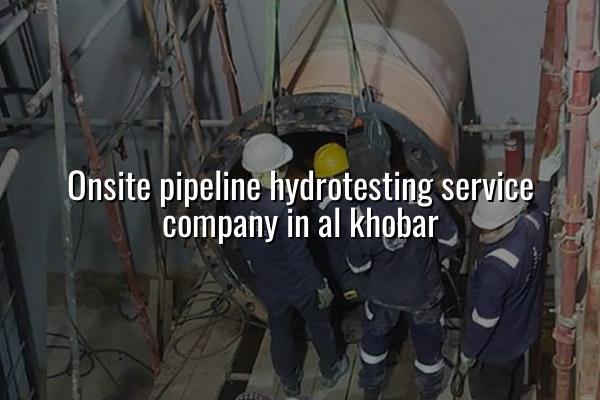
Onsite pipeline hydrotesting service company in Al Khobar work starts with one thing: proving the line will hold pressure safely before it goes into service. If you're responsible for a pipeline, spool, manifold or pressure package, you need more than a pump and a gauge; you need controlled testing, traceable instruments and a team that knows how Saudi project teams review records.
We handle field pressure testing for industrial clients across Al Khobar, Dammam and the wider Eastern Province, with the same discipline we use in our ISO/IEC 17025:2017 calibration work. That means better control on test setup, cleaner documentation and fewer arguments during handover.
Onsite pipeline hydrotesting service company in Al Khobar for pressure integrity
Hydrotesting is used to check a pipeline or pressure system under water-filled test conditions so the team can confirm integrity before commissioning, reinstatement or tie-in. In practice, that means planning the test medium, isolating the section, confirming the test boundaries, using calibrated pressure instruments and watching the system for any visible leak, pressure drop or abnormal behaviour. For oil & gas, petrochemical and power sites in Saudi Arabia, the paperwork matters as much as the pressure number.
What we normally look at before testing starts
We review the line size, design pressure, allowable pressure test range, equipment list and the client's site rules. On many Al Khobar projects, the real issue is not the pump; it's access, isolation and making sure the right blinds, valves and temporary fittings are in place before water goes in. That early check saves rework later.
Why calibrated instruments matter on site
Pressure gauges, digital indicators, temperature instruments and relief devices all need to be reliable. Our calibration background helps because hydrotesting is only as credible as the instruments used to record it. When a client asks for traceability, we know how to support that with documented readings, serial numbers and test records that stand up in review.
- Survey the pipeline section — we confirm boundaries, access points, existing fittings and the test scope before any water filling begins.
- Set up the test package — our team installs pumps, hoses, gauges, vents and temporary connections with attention to safety and isolation.
- Fill, vent and stabilise — air removal is checked carefully because trapped air can distort the test result and make the job harder to trust.
- Pressurise and hold — we increase pressure in a controlled way, then monitor the line for the agreed hold period and inspect all joints.
- Record and hand over — readings, notes and observations are compiled for the client file so maintenance, QA and commissioning teams can close the loop.
- Use calibrated gauges and record their serial numbers before the test starts.
- Confirm vents are open during filling so trapped air doesn't affect the hold result.
- Keep temporary hoses, manifolds and fittings rated for the test conditions.
- Watch for small drops at flanges, threaded joints and instrument take-offs first.
- Keep the test area controlled so only the right people are near the pressure boundary.
Hydrotesting checkpoints we review on Al Khobar projects
| Checkpoint | What we verify | Why it matters |
|---|---|---|
| Test boundary | Isolation points, blinds, vents and drains | Prevents a false result and keeps the section properly contained |
| Instrumentation | Gauge range, calibration status and readability | Gives the client confidence in the recorded pressure data |
| Water fill | Filling path, venting and air removal | Reduces trapped air and makes the pressure hold more trustworthy |
| Visual inspection | Flanges, welds, temporary connections and valves | Finds leak points early while the section is still controlled |
What good hydrotest control looks like on live industrial sites
A proper onsite hydrotest is not just about reaching a pressure figure. It also needs a clean setup, a controlled ramp-up, a hold period that the site can defend and records that can be filed with QA, commissioning or client representatives. That is where teams running oil & gas, petrochemical and fabrication work in Saudi Arabia often want a specialist partner rather than a general contractor.
Where we see trouble most often
Most problems come from simple things: air left in the line, loose temporary connections, gauges with poor readability or a test boundary that wasn't agreed clearly before start. We have seen those issues on piping skids, plant tie-ins and utility lines. They cost time, and they make the final report harder to trust.
Built for Eastern Province industrial work
From Al Khobar and Dammam to the wider GCC, clients usually want a crew that can mobilise, respect site rules and keep the paperwork tidy. We bring field experience, calibrated support equipment and the kind of practical discipline that helps commissioning teams move ahead without drama.
Services that often sit beside pipeline hydrotesting
Instrumentation calibration
Pressure gauges, thermometers and related field instruments need traceable checks before a test package is signed off.
Mechanical support
Flange work, bolt torquing, tensioning and temporary connections often need experienced hands before filling starts.
Commissioning checks
Testing and commissioning teams rely on clear isolation, recorded readings and a sensible sequence during closeout.
Repair and prep
When pumps, manifolds or cylinders need attention, getting them right before site mobilisation avoids wasted time.
How Mayon Industrial Services Can Help
We support hydrotesting jobs with the wider field capability many project teams need around the test itself. That includes calibration for pressure instruments, mechanical services for flanges and temporary fittings, inspection support, and repair or maintenance for pumps and related equipment. If you're planning work in Al Khobar or anywhere in the Eastern Province, speak with us and we'll help you line up the right test approach.
Call +91 99447 80844 (India) or +966 59 633 8012 (Saudi Arabia), email services@mayonservices.com, or message us on WhatsApp.
Frequently Asked Questions
Teams working on oil & gas, petrochemical and industrial piping usually need a contractor who can handle the field setup, instrumentation and documentation together. We support that kind of work in Al Khobar and the Eastern Province, with calibrated equipment and practical site experience. The main thing is to make the test defensible, not just to make pressure.
We check the test boundary, instrumentation, filling arrangement, venting and the actual pressure hold behaviour. Field crews also inspect joints, flanges, temporary lines and any point where the system could show a leak. On industrial jobs, the record of what was checked matters just as much as the final pressure reading.
Yes, we do. Our calibration background helps us support pressure testing with traceable instruments and better field control, which is what many QA teams want during handover. If your project needs additional calibration for gauges or thermometers, we can handle that alongside the site work.
Yes. That's often the cleaner way to do it on live projects because flange work, bolt torquing, temporary fittings and commissioning checks tend to sit right next to the hydrotest scope. When one team understands the whole sequence, site coordination usually gets easier.
Send us the line details, site location, test scope and any client or project notes you already have. We'll review the request and discuss the right setup for onsite work. If you need it, we can also talk through related calibration, inspection or mechanical support at the same time.
Ready to put your pressure test on solid ground?
If you need a careful onsite pipeline hydrotesting team in Al Khobar, talk to Mayon Industrial Services and we'll help you plan the work properly.
Contact Mayon