
Pneumatic Testing Service Company in Bisha
Site pressure tests, leak checks and reporting for industrial systems in Bisha and nearby Saudi projects.
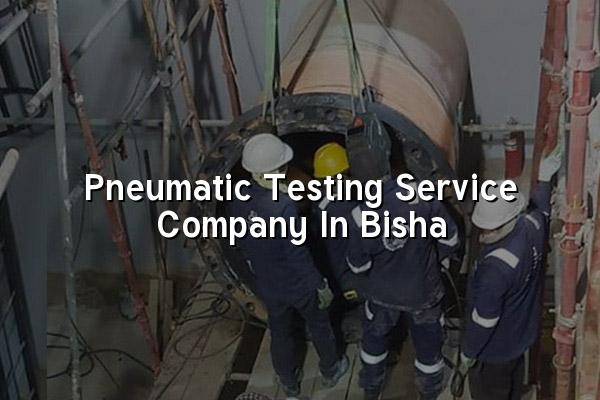
A pneumatic testing service company in Bisha needs to do more than apply air and watch a gauge. You need controlled pressure testing, clean isolation, leak finding and clear records that your team can sign off without second-guessing the result.
We support industrial clients in Saudi Arabia with onsite pneumatic pressure testing for lines, vessels and assemblies where water testing isn't practical. In Bisha and the wider Kingdom, that usually means field conditions, active work fronts and a tight permit window, so the method has to be disciplined from the first valve close to the final report.
Pneumatic Testing Service Company in Bisha for fieldwork that has to hold pressure
Pneumatic testing is often chosen when the system can't be filled with water, when drying would take too long, or when the item is sensitive to moisture. We see that a lot on maintenance shutdowns, piping tie-ins, fabricated skids and equipment installed for oil & gas, power, manufacturing and process plants across Saudi Arabia. The work needs a steady approach because compressed gas stores energy, and the test setup has to respect that reality.
Where this testing fits in a Bisha project
In Bisha, pressure testing normally shows up before commissioning, after repair, or before a line is returned to service. Teams call us when they need to prove integrity on air lines, small-bore piping, instrument tubing, package skids or sections that can't tolerate water contamination. We plan the test around the system size, the isolation points and the access available on site, then we keep the setup simple enough for the site crew to understand.
Why leak behaviour matters more than a fast pass
With pneumatic testing, the real work starts before the pressure rises. A poor blind arrangement, a loose threaded joint or a weak gasket can waste hours and create risk. Most people who call us already suspect a problem somewhere in the line. They want a tester who can find it, document it and leave the system in a condition the operations team can trust.
- Review the scope — we check the line list, test boundary and service condition so the team knows exactly what is being tested.
- Isolate and prepare — the system is locked out, blinds or caps are fitted, and the test section is cleaned and checked for obvious issues.
- Raise pressure in stages — pressure is increased slowly so the joints can settle and any leak shows itself before the final hold.
- Hold, inspect and record — we watch pressure stability, inspect all accessible points and note the results for the handover file.
- Use pneumatic testing only where water filling is not practical or not acceptable.
- Keep the boundary small; a tighter test section is easier to control and troubleshoot.
- Verify every isolation point before pressure is introduced to the system.
- Ask for clear test records so your QA file is ready for client review.
- Match the method to the material, joint type and site access, not just the schedule.
Pneumatic testing versus other common pressure test choices
| Method | Typical use | What the site team watches |
|---|---|---|
| Pneumatic testing | Dry systems, moisture-sensitive equipment, limited water access | Leak points, pressure stability, safe isolation |
| Hydrotesting | General pressure proof testing where water fill is acceptable | Water fill, venting, drainage and drying needs |
| Soap solution leak check | Local joint inspection after assembly or during troubleshooting | Bubbles, thread condition and fitting tightness |
| Hold test for packaged skids | Factory or site acceptance before commissioning | Seal condition, gauge behaviour and handover records |
How we keep the test controlled from start to finish
On a live industrial site, pressure testing isn't just about the final result. It also depends on how the job is prepared, how the area is secured and how the results are communicated to the maintenance or QA lead. We work to ISO 9001:2015 quality habits and use traceable procedures suited to the job so the paperwork matches the field reality.
What your team should expect on the day
Our crew arrives with the tools needed to build the test boundary, observe the system and document what happens during the hold. If the installation is in a busy plant area, we coordinate with the site contact so the activity doesn't become a nuisance for everyone around it. That matters in Bisha just as much as it does on larger Saudi industrial sites.
Built for field conditions
We handle industrial pressure testing on piping, fittings and package systems where the test boundary has to be neat, the records have to be clean, and the result has to stand up in front of the client or plant manager.
Typical pneumatic testing jobs on Saudi industrial sites
Pipe spools and tie-ins
These jobs usually need short, controlled tests after fabrication or maintenance. We look for clean isolation, sound fittings and a hold that tells the team the assembly is ready for the next step.
Instrument tubing
Small-bore tubing can be unforgiving. A tiny fitting issue can show up as a slow loss of pressure, so the inspection routine needs patience and a steady eye.
Skids and packaged equipment
Package units often come with limited access and tight deadlines. We keep the test sequence practical and the reporting clear so commissioning teams can move on with confidence.
How Mayon Industrial Services Can Help
We support pneumatic testing with the same discipline we use in calibration, mechanical work and inspection. That means proper setup, careful leak checking, good documentation and a team that understands industrial sites in Saudi Arabia, including Bisha and nearby project areas. If you also need calibration, orbital welding, electrical testing or repair work on the same shutdown, we can coordinate the scope and keep the job moving.
Call +91 99447 80844 (India) or +966 59 633 8012 (Saudi Arabia), email services@mayonservices.com, or message us on WhatsApp.
Frequently Asked Questions
We do, through Mayon Industrial Services and our Saudi-side operating base in Dammam Industrial City 2. For Bisha work, the usual request is a site pressure test on piping, tubing or packaged equipment that can't be hydrotested easily. We bring the setup, the controls and the reporting so your team can keep the file clean.
Use pneumatic testing when water would create a problem, such as on moisture-sensitive lines, dry systems or equipment that is hard to drain fully. It also helps when a project has only a short access window and drying would slow the next step. The key is making sure the test plan fits the item, not the other way round.
Yes, we support onsite work in Saudi Arabia and the wider Middle East. Our model is built around site deployment, so the work can be done where the system sits instead of sending every job to a workshop. That suits shutdowns, maintenance turnarounds and commissioning tasks where moving equipment is not practical.
We normally ask for the scope, test boundary, service media, site location and any client or project requirements already in place. If there are drawings, line numbers or previous repair notes, send those too. That saves time on site and helps us prepare the right equipment first time.
Yes, we document the job so the result can be handed over to QA, maintenance or commissioning teams. The exact format depends on the project, but the idea is the same: clear identification, clear boundaries and a record that matches the work done on site. That's usually what clients want when they ask for an industrial testing partner they can use again.
Ready to get the pressure test done properly?
Send us the scope, location and drawing set, and we'll help you plan a pneumatic test that fits the job and the site.
Contact Mayon