
Pneumatic Testing Service Company in Red Sea
Certified pressure testing support for Red Sea projects, with onsite service, mobile capability and practical reporting for plant teams.
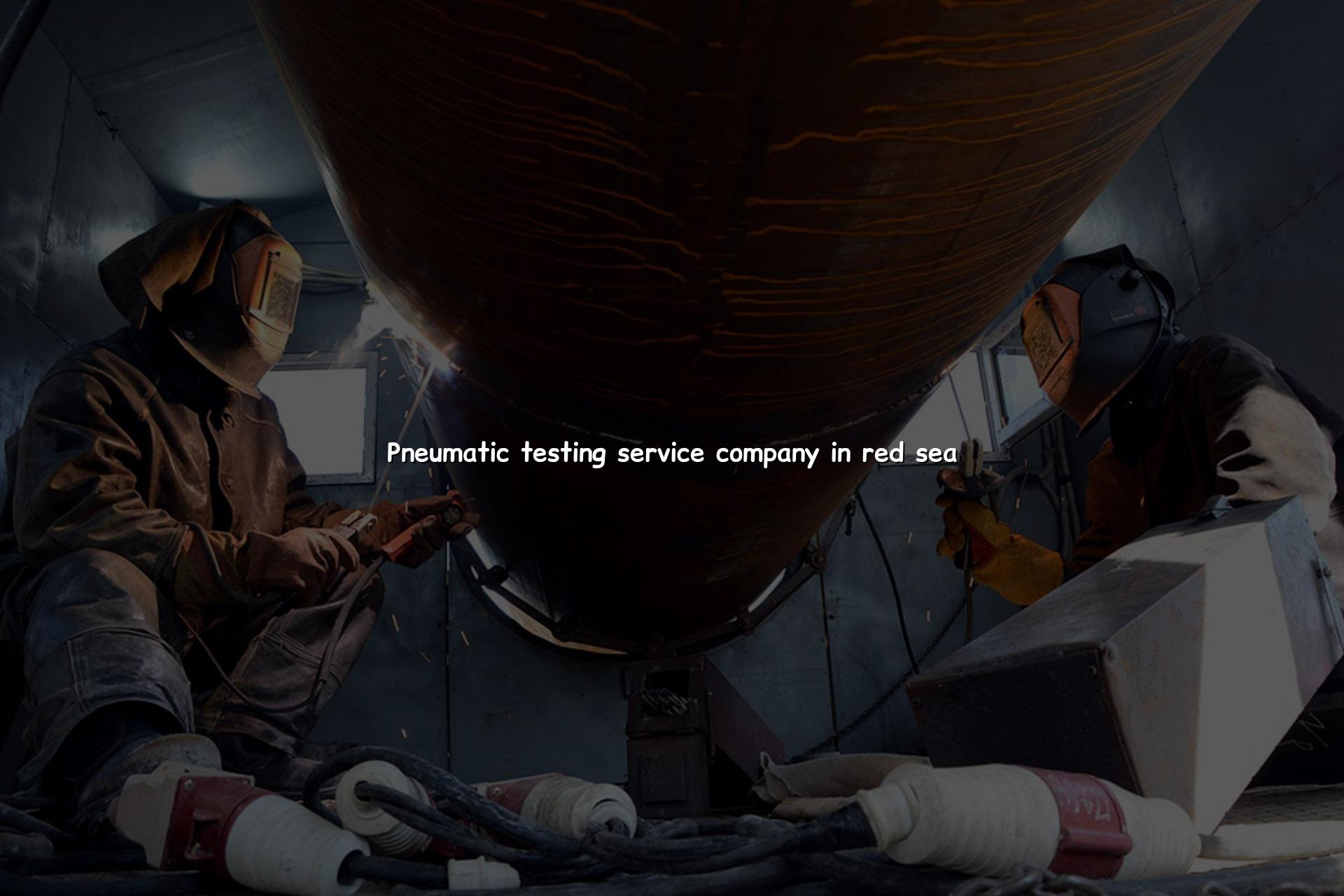
Pneumatic testing service company in Red Sea support matters when the line can’t be filled with liquid, the equipment sits in a tight shutdown window, or the client needs proof of leak tightness before handover. We help you test safely, record results clearly, and keep the work aligned with the pressure limits and site rules your team already follows.
Our work fits the day-to-day reality of Red Sea projects: oil and gas packages, marine systems, skids, pipe spools, vessels and maintenance jobs where onsite access is easier than moving heavy items off location. We serve clients from Saudi Arabia and the wider Middle East with mobile capability, a temperature-controlled lab when instruments need controlled conditions, and practical coordination with engineering teams.
Pneumatic Testing Service Company in Red Sea for Site and Shutdown Work
Pneumatic testing is usually chosen when hydrotesting is impractical, when a system must stay dry, or when the client wants a controlled air or inert-gas pressure check before final commissioning. In our experience, the Red Sea market asks for this on marine piping, process lines, small pressure vessels, utility skids and repaired sections that need a clean, traceable leak test before they go back online. We support that with calibrated gauges, documented pressure control and a team that understands plant discipline.
Where pneumatic testing fits best
For many shutdown teams, the main question is not “can it be tested?” but “which test method makes sense for this asset today?”. Pneumatic testing works well for dry systems, sensitive assemblies and circuits where trapped water would create another problem. It also helps when the client wants leak detection without introducing corrosion risk or lengthy drying time after the test.
What we check before pressure is applied
Before we start, we review isolation points, test boundaries, venting, temporary fittings and the pressure rating of the weakest component in the circuit. That sounds basic, yet this is where a lot of trouble starts if the team rushes. We also confirm the instrument chain, because a pressure test is only as good as the gauges, recorders and safety controls behind it.
- Confirm the test pack — we review line numbers, drawing marks, pressure limits and the exact section to be isolated.
- Prepare the circuit — the line is cleaned, vented, blanked and checked for loose fittings or temporary items that should not be in service.
- Bring pressure up slowly — pressure is raised in controlled stages so the system can settle and any issue shows up early.
- Hold, inspect and record — we watch for pressure decay, listen for leaks and document the outcome for your handover file.
- Depressurize safely — once the test is complete, the line is released in a controlled way and the area is made ready for the next job.
- Useful for dry systems where water would create extra cleaning or drying work.
- Common on Red Sea oil, marine and utility packages that need leak verification before start-up.
- Best handled with calibrated pressure instruments and a clear test boundary.
- Works well when the site needs onsite support instead of sending equipment away.
How Pneumatic Testing Compares with Other Pressure Test Choices
| Method | Best Use | Site Consideration |
|---|---|---|
| Pneumatic testing | Dry systems, leak checks, sensitive assemblies | Needs tight pressure control and stronger safety discipline |
| Hydrotesting | General pressure strength checks on suitable circuits | Uses water, so drying and corrosion control may be needed |
| Leak testing with inert gas | Detection work on systems that must stay clean and dry | Often chosen when contamination must be avoided |
| Commissioning verification | Final readiness checks before handover | Usually combines test records, inspection and functional checks |
Why Red Sea Projects Need Careful Pneumatic Test Control
A pneumatic test stores energy in compressed gas, so the setup has to be treated with respect. That means proper isolation, suitable restraints, safe access, and a team that doesn’t treat the pressure gauge as the only control point. Red Sea customers in oil and gas, petrochemical and marine work usually expect that level of discipline because one sloppy step can delay a whole shutdown.
Documentation that stands up in handover
We focus on the parts procurement and QA teams actually ask for: test identification, instrument details, observed results and a clean record that can be filed with the package. When needed, we can support the surrounding calibration and inspection work too, so the pressure test is not treated as an isolated activity. It sits inside the wider quality picture, which is how serious project teams prefer it.
Field-ready support for plant teams
We’re used to working around live site constraints, tight access, and the kind of schedule changes that happen in real shutdowns. That is why we keep the setup practical, the communication direct, and the paperwork easy to follow.
Services That Often Sit Beside Pneumatic Testing
Pressure testing rarely happens on its own. The same package may need instrument calibration, flange work, bolt torquing, leak rectification, or final inspection before the client signs off. That’s where a broader industrial partner helps, because you don’t want three different contractors arguing over the same line tag.
Mayon also supports calibration services, mechanical services, electrical testing and commissioning, NDT, lifting-equipment inspection, orbital welding and repair work. For Red Sea sites and Saudi projects, that mix saves time during mobilization and makes it easier to keep one quality trail across the job.
How Mayon Industrial Services Can Help
We support pneumatic testing with the same field mindset we bring to calibration, mechanical services and inspection jobs. If your Red Sea package needs onsite pressure testing, supporting instrument calibration, or a tighter handover file, our team can help you plan it without turning the job into paperwork theater. We work across Saudi Arabia and the Middle East, and we can align the test with your site schedule and QA needs.
Call +91 99447 80844 (India) or +966 59 633 8012 (Saudi Arabia), email services@mayonservices.com, or message us on WhatsApp.
Frequently Asked Questions
We set up and carry out controlled pressure tests on dry systems, using air or inert gas where appropriate. The job includes boundary checks, safe pressurization, leak observation and clear reporting for the client’s QA file.
It’s usually the better choice when the system must stay dry, when water would cause corrosion or contamination, or when drying would waste time. We see that a lot on marine, utility and repaired process lines in Saudi and Red Sea projects.
Yes. We work onsite using mobile capability, which is often the practical route for shutdown work, skids and installed piping. That lets the site team keep the equipment in place and avoid another round of lifting, transport and reinstallation.
Yes, we do. Pressure gauges and related instruments can be checked through our calibration services, which helps keep the test traceable and easier to defend during QA review. That’s especially useful where the client wants a clean instrument trail with the test pack.
We usually see it in oil and gas, petrochemical, marine, power, construction and manufacturing jobs. Cold-chain and process utility sites also ask for it when the line has to stay dry or when a leak check is needed before handover.
Need a pressure test that’s handled properly?
If your Red Sea package needs controlled pneumatic testing, our team can help you plan the job, support the instruments and keep the records ready for handover.
Contact Mayon