
Thermocouple and RTD Calibration Company in Dammam Industrial City 2
Traceable temperature calibration for process plants, utilities and cold-chain users across Dammam and the wider Eastern Province.
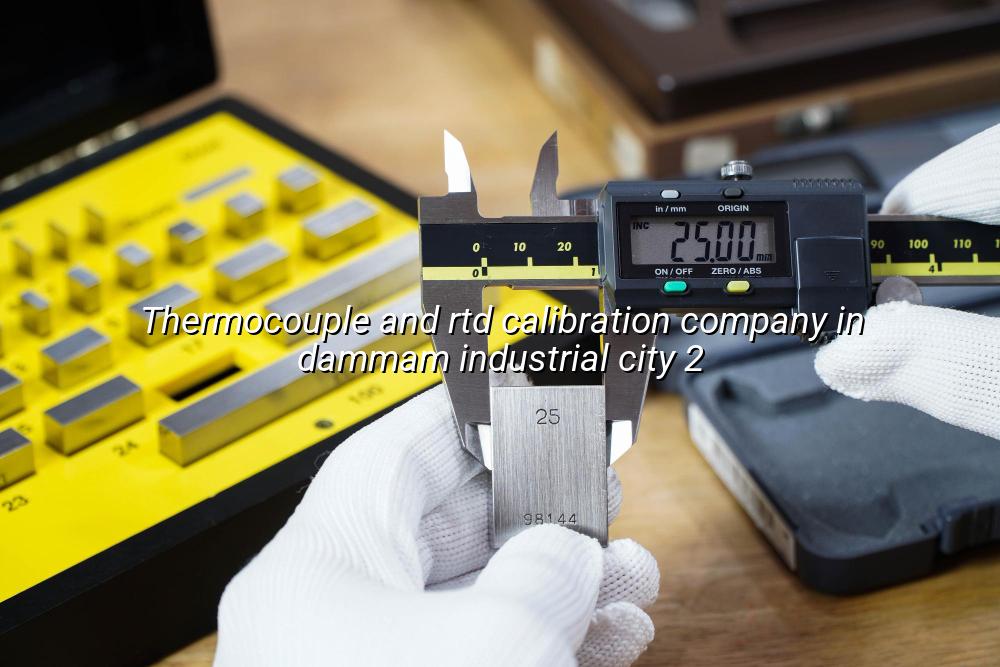
Thermocouple and RTD calibration company in Dammam Industrial City 2 is the phrase many maintenance teams type when they need a temperature source they can trust, not a paper exercise. We help you check sensors against known references so your process data, alarms and quality records stay dependable.
In Dammam Industrial City 2, that usually means oil and gas skids, tanks, ovens, freezers, utilities and packaged systems that need traceable readings before a batch, shutdown or handover. We work from an ISO/IEC 17025:2017 compliant setup, and we also carry a mobile lab for onsite jobs where pulling instruments off the line is simply not practical.
Thermocouple and RTD calibration for plant teams in Dammam Industrial City 2
Thermocouples and RTDs both measure temperature, but they fail in different ways. A thermocouple may drift, suffer junction damage or show noisy output on a long run, while an RTD can look fine at ambient and still read off once it gets hot or cold enough to expose wiring issues. That is why we check the instrument, the range and the application together. For a reactor line, a chill room or a dryer, the right calibration points matter more than a generic pass stamp.
What we normally check
Our team looks at sensor type, probe condition, insulation, cable integrity and the readout chain. If the job needs onsite support, we can bring the mobile calibration lab to the site and verify the instrument at the operating location. If the sensor needs a controlled environment, our in-house lab in Chennai handles the work with stable conditions and traceable reference equipment. For many customers in Saudi Arabia, that mix is the difference between stopping a line and keeping the maintenance plan moving.
Where this matters most
We see the strongest demand from oil and gas, petrochemical, power, cold chain and food production. A heat treatment oven in Eastern Province, a refrigerated store in Dammam, or a utility system in a fabrication yard all need readings that line up with the process reality. If your team works to ISO 9001:2015 procedures, calibration records have to be clear, consistent and easy to file during audits.
- Identify the sensor and range — confirm whether the device is a thermocouple, RTD or transmitter assembly, then match the calibration points to the actual service range.
- Inspect the probe first — check sheath wear, cable damage, connector condition and any signs of contamination that could distort readings.
- Compare against traceable references — run the sensor through controlled points using suitable standards and document the deviation at each point.
- Review acceptance and action limits — decide whether the device is fit for use, needs adjustment or should go for repair, replacement or retest.
- Use calibration points that reflect your real operating band, not just room temperature.
- Keep lead length, connector type and extension wire details on the job card.
- Ask for traceability records that fit ISO/IEC 17025:2017 expectations.
- Separate sensor issues from transmitter issues before you decide on repair.
Thermocouple and RTD calibration comparison for everyday plant use
| Item | Thermocouple | RTD |
|---|---|---|
| Typical plant use | High-temperature processes, ovens and furnaces | Stable process monitoring, storage and utilities |
| Common issue | Junction wear, drift, noisy signal | Lead resistance, element damage, offset error |
| What we verify | Output response against traceable temperature points | Resistance change and reading stability across the range |
| Best service mode | Onsite for fixed assets, in-lab for detailed checks | Onsite or in-lab, depending on the installation and access |
Why traceable temperature calibration protects your process
When a thermocouple or RTD is off, the issue shows up in the process long before anyone notices the sensor. A product batch may be underheated, a freezer may cycle too often or a safety interlock may trigger too late. That is why traceability matters. The readings need a clear chain back to known references, especially where audits, client checks or handover documents are part of the job.
Onsite work or controlled lab work?
Onsite calibration suits fixed assets, busy lines and equipment that is hard to remove. In-lab work is better for instruments that need close control or a more detailed review. We also arrange pick-up and delivery for items that need special handling, so you don't have to force a sensor into the wrong environment just to keep the schedule moving.
Built for industrial temperature jobs
Our team supports process plants, cold storage operators, utilities, manufacturers and maintenance contractors who need practical calibration records, proper site access and clear communication with QA and engineering teams.
What the calibration record should show
A usable calibration record does more than say pass or fail. Your team should be able to see the instrument ID, the sensor type, the points checked, the measured deviation and the final result. If the sensor belongs to a loop, the report should make it clear whether the probe alone was checked or the complete measurement chain was tested. That detail matters during root-cause work, and it matters again when the same asset comes up for the next review.
What usually gets missed
People often forget connector condition, extension cable mismatch or the difference between a field-mounted probe and the actual indicator reading. We see it a lot in multi-vendor plants. The sensor looks fine on paper, but the process reading still wanders because the full chain was never checked as one system.
How we keep the job practical
We keep the process simple for your maintenance and QA teams. First, we confirm the equipment list and site conditions. Then we decide on onsite or in-lab handling. After that, we test, document and return the instrument with records that are easy to trace later. No drama. No vague notes.
- Book the job with the correct scope — tell us whether you need thermocouple, RTD or loop verification, plus the working range and site location.
- Prepare the instruments — isolate the devices, label them and send any special instructions about access, cleanliness or line constraints.
- Run calibration and checks — verify the sensor against traceable references and record the readings clearly at the chosen points.
- Review the result with your team — use the report to decide on continued use, adjustment, repair or replacement.
- Keep thermocouple type, polarity and extension wire details together.
- Record RTD lead configuration before sending the unit for service.
- Match the calibration range to the process alarm band.
- Recheck sensors after maintenance shutdowns, washdowns or line changes.
How Mayon Industrial Services Can Help
We handle thermocouple and RTD calibration as part of a wider industrial support offer that includes calibration services, condition monitoring, mechanical work, inspection and lab setup. If your site in Dammam Industrial City 2 needs onsite support, our mobile calibration lab can help. If the job needs special handling, our temperature-controlled lab and pickup-and-delivery service are there for the instruments that shouldn't be rushed.
Call +91 99447 80844 (India) or +966 59 633 8012 (Saudi Arabia), email services@mayonservices.com, or message us on WhatsApp.
Frequently Asked Questions
Yes, we support customers in Dammam Industrial City 2 with onsite and in-lab temperature calibration. If the sensor is fixed to a skid, oven or utility line, onsite work is usually the cleaner option. If the device needs more controlled handling, we can take it through our lab process instead.
We do. Our mobile calibration lab is set up for onsite work where removing the instrument would slow the plant down. That helps maintenance teams in process, power and cold-chain environments keep the job moving without losing track of the sensor history.
For calibration competence and traceability, we work within ISO/IEC 17025:2017. Many of our customers also align their quality files with ISO 9001:2015, so we keep the records clear, consistent and easy to trace during audits or vendor reviews.
Yes, and that often gives a better picture than checking the probe alone. In real plant work, the sensor, cable and transmitter can each add error, so we look at the arrangement the way your process sees it. That makes fault-finding much easier when a reading starts drifting.
We do. Our Saudi Arabia presence in Dammam Industrial City 2 supports customers across the Eastern Province and the wider Middle East, while our India head office serves clients across the country. That regional split helps us stay practical for project work, shutdowns and routine maintenance planning.
Ready to get your temperature readings back on track?
If your thermocouple or RTD work needs traceable calibration, onsite support or a controlled lab route, talk to Mayon and we’ll help you choose the right path.
Contact MayonGood temperature data keeps a plant honest. If you need a thermocouple and RTD calibration company in Dammam Industrial City 2 that understands site pressure, audit trails and the way real equipment behaves, our team is ready to help. We keep the work practical, traceable and tied to the job in front of you.