
Ultrasonic Testing Company in Safaniya
Onsite ultrasonic inspection for welds, pipes and pressure equipment in Safaniya and the wider Saudi oilfield corridor.
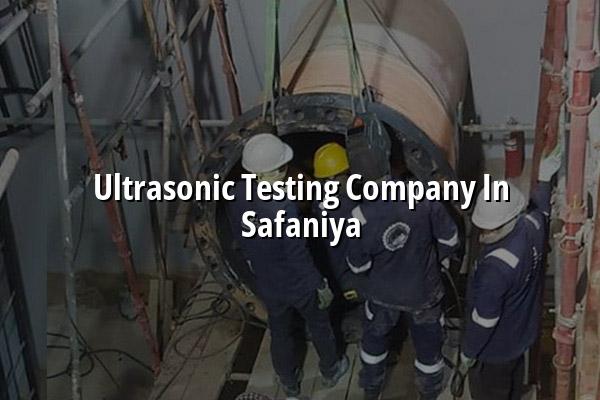
An ultrasonic testing company in Safaniya should do more than send a technician with a flaw detector. You need someone who can spot weld defects, check wall loss, and give your maintenance team clear evidence they can act on fast.
That's how we work. Our team supports Saudi oilfield, petrochemical and utility sites with onsite inspection, traceable reporting and practical advice for welds, pipes, pressure lines and fabricated structures. If your crew is handling shutdown work or routine integrity checks, we help you keep the job moving without guesswork.
Why an Ultrasonic Testing Company in Safaniya Matters
Safaniya work is rarely simple. Offshore-linked oilfield activity, plant tie-ins, pressure piping, lifting equipment and fabrication repairs all need inspection that can hold up under site scrutiny. Ultrasonic testing is one of the best ways to check internal soundness without cutting a part open, and it fits neatly into maintenance plans for welds, thick sections and corrosion-prone assets.
Where UT helps most on site
We use ultrasonic testing to check weld integrity, measure remaining wall thickness and spot discontinuities that matter in service. That matters on carbon steel lines, vessels, structural members and repaired joints where visual inspection alone won't tell you much. In Saudi industrial environments, teams usually want clear readings, location notes and repeatable records tied to the asset number or line reference.
What you get from a proper report
A good UT report is not just a pass or fail sheet. It should tell you what was tested, the method used, the scan area, the indication found and what needs follow-up. When our inspectors work with maintenance managers in the Eastern Province, they usually need that paper trail for internal QA, vendor records or shutdown planning.
- Review the work scope — we check drawing details, weld maps, material type and the access conditions before we arrive.
- Prepare the test area — surfaces are cleaned enough for sound coupling and reliable probe movement.
- Scan the component — calibrated equipment is used to examine welds, joints or thickness points from the agreed grid.
- Record and report results — findings are documented with locations, indications and practical comments for your engineer or QA lead.
- Use UT when you need internal defect detection without dismantling the asset.
- Ask for traceable equipment records and clear probe selection on every job.
- Combine thickness readings with corrosion history for better maintenance decisions.
- For weld inspection, keep fit-up, weld ID and location notes ready before the inspector arrives.
Common Ultrasonic Testing Uses in Safaniya Projects
| Asset or Job | What UT Checks | Why Teams Ask for It |
|---|---|---|
| Butt welds on piping | Internal flaws, lack of fusion and crack-like indications | Helps verify weld quality before service or after repair |
| Pressure lines | Wall thickness and local thinning | Supports corrosion monitoring and repair planning |
| Structural members | Hidden defects in critical sections and joints | Useful where load-bearing parts need extra confidence |
| Fabrication spools | Weld soundness and fit-up related defects | Reduces rework before installation or hydrotest |
How we handle UT in harsh industrial conditions
On Saudi sites, access is often tight and the work window is short. That is normal for us. We plan for scaffolding limits, heat, vibration, coatings and the kind of surface condition that slows down weak inspection teams. Our aim is to make the inspection useful for your maintenance decision, not just technically busy.
Calibration and traceability
We work to ISO/IEC 17025:2017 discipline in our calibration operations, and that traceability mindset carries through our inspection practice. For many customers, the real issue is simple: can they trust the readings when the asset is critical? We keep the process disciplined so your QA file stands up later.
Built for oilfield and plant teams
We often support shutdown crews, repair contractors and asset integrity teams who need inspection work completed with minimum disruption. If the job calls for related NDT, thickness checks, mechanical support or commissioning help, we can align the scope instead of sending you to different vendors.
Questions to Ask Any Ultrasonic Inspection Team
People sometimes focus only on the machine. That misses the point. The skill is in the setup, the interpretation and the way the results are written down. A technician who understands weld profile, geometry and service history will usually give you far better information than someone who only chases a signal on the screen.
Practical detail matters
Before you release a work order, ask about scan coverage, reporting format, access needs and whether the team can work onsite in Safaniya or at nearby industrial locations. If your scope includes piping or vessel welds, ask how indications will be referenced so your own engineer can find them again later. That's where a lot of value sits.
When UT should be paired with other checks
UT often works best alongside visual inspection, thickness monitoring, pressure testing or magnetic particle testing, depending on the asset and the defect you are chasing. For corrosion monitoring, we often see teams combine spot thickness readings with vibration analysis or thermography from the maintenance side. It gives a fuller picture and reduces repeat shutdowns.
- Confirm whether the scope is weld flaw detection, thickness gauging or both.
- Share drawings, weld maps and any previous inspection notes before the visit.
- Ask for a report style your QA or integrity team can file without rework.
- Make sure the team can coordinate with shutdown, permit and access controls on site.
How Mayon Industrial Services Can Help
We support ultrasonic testing with the same discipline we bring to calibration, inspection and mechanical work. If your scope in Safaniya needs weld verification, thickness checks, related NDT or help coordinating the broader maintenance job, our team can step in with the right tools and a practical site approach.
Call +91 99447 80844 (India) or +966 59 633 8012 (Saudi Arabia), email services@mayonservices.com, or message us on WhatsApp.
Frequently Asked Questions
Most of our Safaniya enquiries come from maintenance, QA and project teams that need weld checks or thickness readings on piping, vessels or structural work. It is common during shutdowns, repair jobs and pre-service inspections. If the part is critical and you need evidence, UT is usually a sensible starting point.
Yes. That's one of the main reasons teams ask for it. UT can detect internal flaws and other indications in welds while leaving the asset intact, which is very helpful when access is limited or the component is already installed.
Yes, we support onsite work in Saudi Arabia, including Safaniya and the wider Eastern Province industrial belt. We plan the visit around your site conditions, permit rules and access requirements so the inspection fits the job instead of disrupting it.
Send the drawing, weld map, asset list, previous inspection history and any access notes you already have. If you want thickness monitoring, mark the points or lines that matter most. That makes the visit cleaner and helps the report match your own numbering system.
It can, and that's often the smarter route. Many clients pair UT with visual inspection, thickness monitoring, NDT support or mechanical maintenance work. If your job also needs calibration, commissioning or repair support, we can keep the scope under one coordinated plan.
Ready to book UT for your Safaniya site?
If you need weld inspection, thickness checks or a practical NDT partner who understands Saudi industrial work, reach out and we'll help scope it properly.
Contact Mayon