
Weighing Scale Calibration Company in Petro Rabigh
Traceable weighing scale calibration for Petro Rabigh plants that need accurate readings, clean records, and practical onsite support.
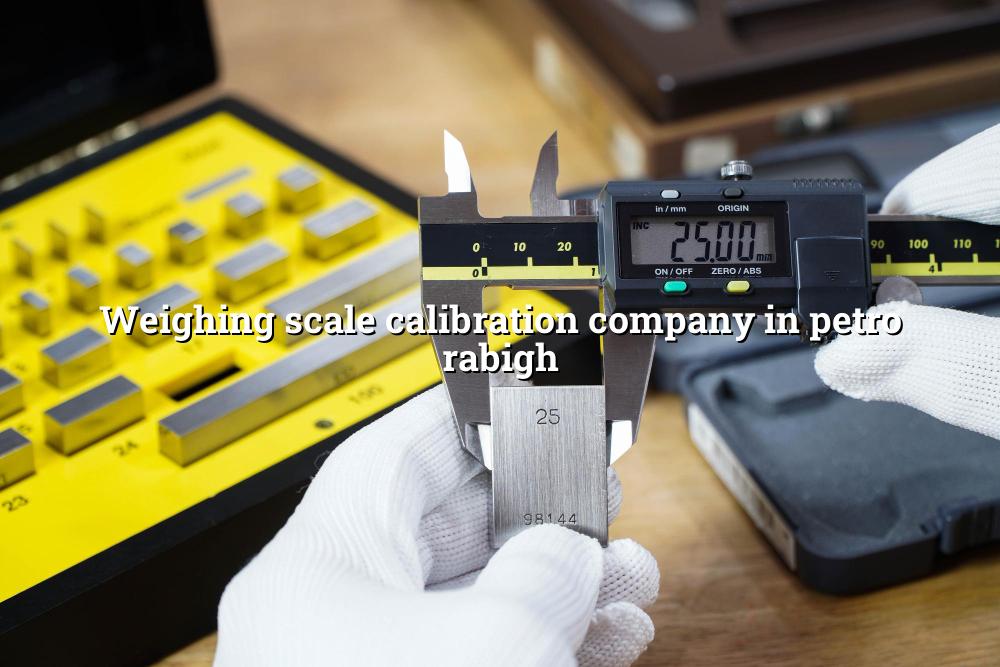
Weighing scale calibration company in Petro Rabigh searches usually come from teams that need a supplier who understands plant discipline, not just a lab stamp. If your floor scale, platform balance, or tank weighing system is drifting, we help you put the numbers back where they belong and keep the traceability paperwork ready for QA review.
Mayon Industrial Services supports industrial clients across Saudi Arabia with ISO/IEC 17025:2017 calibration, onsite visits, and mobile lab work where instruments need careful handling. In Petro Rabigh, that matters on busy production floors, maintenance shutdowns, loading areas, stores, and quality labs where a small weighing error can trigger rework or delay a shipment.
What Petro Rabigh Teams Expect From a Weighing Scale Calibration Company
Industrial weighing is never just about the display. In Petro Rabigh, a calibration partner has to understand load cells, indicator behaviour, repeatability, and how the scale sits in the process, because vibration, floor loading, cable damage, and poor installation can all push readings off target. Our approach is practical: inspect the instrument, test it against suitable standards, record the error, and tell you plainly whether the unit is fit for use or needs repair before it returns to service.
Onsite checks that match plant reality
Most clients ask for onsite work first, and that makes sense. Moving a large pallet scale, hopper scale, or bench scale out of a Petro Rabigh plant is not always sensible, especially if the unit is fixed near a production line or in a restricted area. Our mobile calibration lab lets us work on location for many instruments, while the temperature-controlled in-house lab handles items that need a more controlled environment or special care during transport.
Why traceability matters in Saudi industrial work
When your records are reviewed, the detail matters as much as the reading. A good calibration file should show the instrument ID, the method used, the test points, the observed error, and the condition of the scale at the time of testing. That is the kind of evidence procurement, QA, and maintenance teams in oil and gas, petrochemical, power, and manufacturing plants usually want to see, and it is the standard we work to every day.
- Identify the scale and its duty — confirm whether it's a bench scale, platform scale, floor scale, crane scale, or process weighing system before testing starts.
- Check installation and condition — inspect level, strain relief, indicator health, load cells, seals, and any obvious mechanical damage.
- Test across working points — apply suitable test loads at low, mid, and high ranges so you can see how the scale behaves where you actually use it.
- Record results and status — document the readings, note any adjustment made, and issue clear pass or fail evidence for your file.
- Use calibration records that name the instrument, serial number, and location clearly.
- Recheck after maintenance, relocation, or any impact to the base or load cells.
- Keep weighing systems aligned with your QA checks for incoming goods and dispatch.
- Ask for onsite service when dismantling the equipment would slow the plant down.
Common Weighing Equipment and How We Handle It
| Equipment type | Where it is used | Typical service approach |
|---|---|---|
| Bench scale | Stores, QC rooms, small packing points | Quick onsite verification, indicator check, repeatability review |
| Platform scale | Dispatch, receiving, production support areas | Multi-point test with attention to level, load distribution, and display stability |
| Floor scale | Warehouses, bulk handling, heavy materials | Onsite calibration with load placement checks and surrounding floor condition review |
| Process weighing system | Batching, filling, and production control | Calibration tied to process needs, with documentation for QA and maintenance teams |
How Scale Errors Show Up in Plant Operations
A scale can be technically "working" and still be wrong enough to hurt the process. In Petro Rabigh sites, we often see symptoms like a drifting zero, inconsistent readings when the same load is placed twice, damaged cable runs, or a load cell that behaves differently after cleaning or movement. Those signs can affect inventory control, blending, shipping weights, and batch consistency.
What our team checks before and after calibration
We look at the obvious things first because that is where the real faults hide. Level, corner loading, platform obstruction, overload history, indicator health, and any signs of corrosion or impact all tell a story. If the unit needs repair or mechanical attention, we can discuss the next step instead of leaving you with a pass/fail note that solves nothing.
Useful signs to watch for
Unexpected zero shift, unstable display values, repeated rejections during packing, complaints from operators, or a scale that changed after relocation are all worth acting on quickly. In practice, those are the moments when teams call us before the problem spreads to stock records or dispatch paperwork.
What You Get From Our Calibration Workflow
We keep the workflow simple because plant teams do not have time for theatre. First, we confirm the instrument type and site conditions. Then we test the scale using appropriate references, compare the results with expected performance, and share the findings in a way that your QA or maintenance supervisor can use straight away. If the instrument is in a condition where calibration alone won't solve the issue, we say so plainly.
That straight answer is often what clients value most. A certificate means little if the scale is still unstable in the field, so we focus on usable information: what was tested, what moved, what stayed within limits, and what needs attention before the next production run. This is the kind of support petrochemical and logistics teams in Saudi Arabia expect when weighing accuracy affects material movement and inventory control.
Why many teams prefer onsite calibration
Onsite work reduces interruption. A scale near a warehouse bay or loading point can usually be checked without pulling the unit out of service for long. For instruments that need special handling, pick-up and delivery can be arranged, and our in-house lab gives us a controlled space for work that should not be done in the open plant environment.
- Traceable testing for industrial weighing instruments used in day-to-day plant work.
- Clear findings for QA files, maintenance logs, and procurement reviews.
- Support for onsite visits, mobile calibration, and special transport needs.
- Practical advice if the issue is mechanical rather than purely calibration-related.
How Mayon Industrial Services Can Help
If you're looking for a weighing scale calibration company in Petro Rabigh, we can support you with onsite calibration, controlled-lab work, and practical checks that fit the way your plant runs. Our team also handles related mechanical services, inspection work, and repair support when the problem sits outside the scale itself. Tell us what equipment you have, where it's installed, and what the process depends on, and we'll help you plan the next step.
Call +91 99447 80844 (India) or +966 59 633 8012 (Saudi Arabia), email services@mayonservices.com, or message us on WhatsApp.
Frequently Asked Questions
Yes, if the scale is fixed in place, tied into a process, or awkward to move. Onsite calibration is usually the better call for platform scales, floor scales, and process weighing systems because you see how the unit behaves in the same conditions it works in every day. It also saves time when the issue may be linked to installation, floor level, or cable condition.
For our work, we follow ISO/IEC 17025:2017 for calibration competence. That means the focus is on traceability, documented methods, and consistent records that stand up in a QA review. If your site asks for a specific internal format, we can align the report details to what your team uses.
If the zero point drifts, the display jumps around, or the same load gives different results, the unit needs attention. Sometimes a simple calibration is enough. Other times the problem is mechanical, like a damaged load cell, poor leveling, or corrosion, and repair has to happen first. We check both sides so you don't waste time chasing the wrong fix.
Yes, we can usually plan a visit around the mix of instruments you have. Many sites in Petro Rabigh ask us to check bench scales, platform scales, and related weighing equipment in one trip because it makes maintenance scheduling easier. The key is to share the list in advance so we can bring the right setup and references.
We do. Those sites often need careful documentation, repeatable results, and a technician who understands plant access rules and production pressure. We work with industrial clients across Saudi Arabia, and we keep the focus on accuracy, traceability, and practical reporting rather than unnecessary technical noise.
Need accurate weighing readings at your Petro Rabigh site?
Send us the instrument type, location, and the issue you are seeing, and we'll help you plan calibration that fits your plant.
Contact Mayon