
Calibration Labs Setup Consulting in Red Sea
Plan, build and commission a calibration lab with traceability, practical workflows and the right equipment from day one.
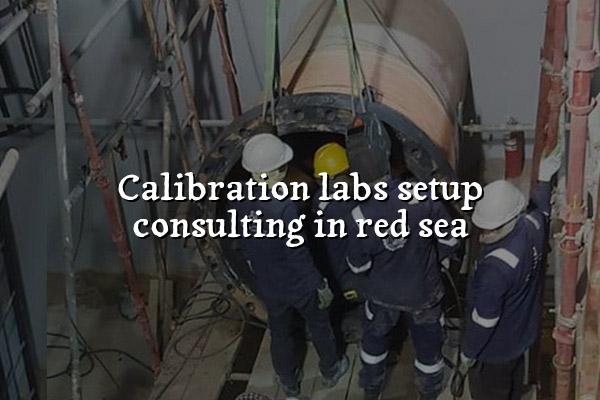
Calibration labs setup consulting in Red Sea helps you turn a blank room, container, or workshop bay into a working lab that can support real industrial demand. If you need a lab for pressure, mass, temperature, electrical or dimensional work, we help you plan the space, the workflow and the equipment so the result actually fits daily use.
We work with teams serving port areas, industrial zones and coastal plants where space, utilities and environmental control matter a lot. In practice that means thinking about airflow, temperature stability, access control, instrument movement, traceability and the paperwork side of ISO/IEC 17025:2017 before anything is installed.
What calibration labs setup consulting in Red Sea covers
A proper setup starts with the service scope. A small site lab for routine checks has very different needs from a multi-discipline facility that handles electro-technical, pressure, thermal and mechanical calibration. We look at the expected instrument mix, the measurement range, the required uncertainty level, and the movement of items through receiving, checking, calibration, labelling and dispatch.
Space, utilities and workflow first
The room layout should support clean separation between incoming instruments, active calibration benches, reference standards and finished jobs. For Red Sea and nearby industrial sites, that often means practical choices: dust control, stable power, a reliable earthing system, controlled access and enough space for benches, racks and safe storage. A cramped room looks fine on paper, then becomes a daily problem once the first batch of instruments arrives.
Standards, traceability and readiness
We build around ISO/IEC 17025:2017 and the documentation discipline it expects. That includes reference equipment selection, calibration intervals, environmental monitoring, work instructions, control of records and the chain from incoming inspection to certificate issue. For electrical work, EURAMET CG-15 is a useful reference when you want the lab layout and controls to support good calibration practice.
- Site review — we assess the room, utilities, access routes and the type of instruments you plan to handle.
- Scope definition — we map the disciplines, ranges and expected workload so the lab does not get overbuilt or underbuilt.
- Layout and equipment plan — we define benches, storage, reference standards, environmental controls and support equipment.
- Commissioning support — we help with installation checks, workflow setup, documentation and readiness for operations.
- Plan a clear one-way movement path for inbound and outbound instruments.
- Keep reference standards in a protected area with controlled access.
- Choose benches and storage around the largest and heaviest instruments you will service.
- Include environmental monitoring from the start, not after the lab opens.
- Separate calibration, verification and quarantine zones so jobs do not get mixed.
Typical decisions in a calibration lab setup project
| Setup Area | What We Check | Why It Matters |
|---|---|---|
| Room layout | Bench space, movement flow, storage and access | Prevents congestion and damage to instruments |
| Environmental control | Temperature stability, dust, humidity and ventilation | Supports consistent measurements and better repeatability |
| Reference standards | Selection, protection and calibration traceability | Forms the basis of reliable results |
| Workflow | Receiving, tagging, calibration, review and dispatch | Reduces mistakes and keeps records clean |
Why a good lab plan saves trouble later
A lot of lab projects go wrong for simple reasons. The room gets built before the scope is clear, the standards are bought before the workflow is fixed, or the team forgets that equipment needs maintenance, calibration records and room to move. A thoughtful plan avoids these traps and makes daily work less tiring for technicians.
For Saudi and GCC industrial sites
In Dammam Industrial City 2 and other Red Sea-facing industrial zones, we usually see strong demand from oil and gas, petrochemical, power, cold chain and manufacturing users. Those environments expect traceable results, sensible documentation and a lab that can cope with both routine checks and urgent field support.
Designed for real work, not showrooms
A calibration lab should make the next job easier. That means bench height that suits the task, enough clearance for larger fixtures, safe storage for cylinders and standards, and a clear method for handling items that need pick-up, special care or controlled delivery.
From concept to commissioning
Scope study
We match the lab size to the calibration disciplines you need now and later.
Layout design
We plan benches, storage, reference areas and movement paths around daily use.
Equipment selection
We help define the core standards and support tools the lab needs to operate properly.
Readiness support
We help set up control of records, traceability and day-to-day lab discipline.
How Mayon Industrial Services Can Help
We set up calibration labs, but we also understand what happens after the doors open. Our team can help with calibration services, lab design, mechanical support, inspection, temperature mapping and the practical engineering work that keeps a facility useful. If your project is in Red Sea industrial zones, Saudi Arabia, India or the wider Middle East, we can help you get the lab structure right before you start buying equipment.
Call +91 99447 80844 (India) or +966 59 633 8012 (Saudi Arabia), email services@mayonservices.com, or message us on WhatsApp.
Frequently Asked Questions
Start with your scope, not the shopping list. You need to know which instruments you will handle, the ranges involved, the space available, the power and environmental conditions, and how the lab will receive and release jobs. Once that is clear, the equipment plan and layout become much easier to decide.
Yes. We shape the lab around the practical parts of ISO/IEC 17025:2017, such as traceability, control of records, environmental monitoring and workflow discipline. We do not just talk about compliance; we help make the room and process support it from the start.
We handle both. Some clients need a compact site lab for routine verification and incoming checks, while others want a larger facility with multiple calibration disciplines. The approach changes, but the planning logic stays the same: clear scope, sensible layout and proper traceability.
We most often see requests from oil and gas, petrochemical, power, manufacturing, healthcare, pharmaceutical, cold chain and food sectors. These teams need dependable measurement control because a weak lab setup quickly shows up in production, maintenance and quality records.
Yes. We help define the core reference standards and support tools based on the disciplines you plan to offer. That way you buy for real work, not for a brochure list that looks impressive and sits unused.
Ready to plan your calibration lab the right way?
Send us your scope, location and current room details, and we’ll help you shape a practical setup for Red Sea operations or any project across our service region.
Contact Mayon