
Calibration Training in Bisha
Practical training for teams who handle calibration, traceability and instrument care in Saudi industrial work sites.
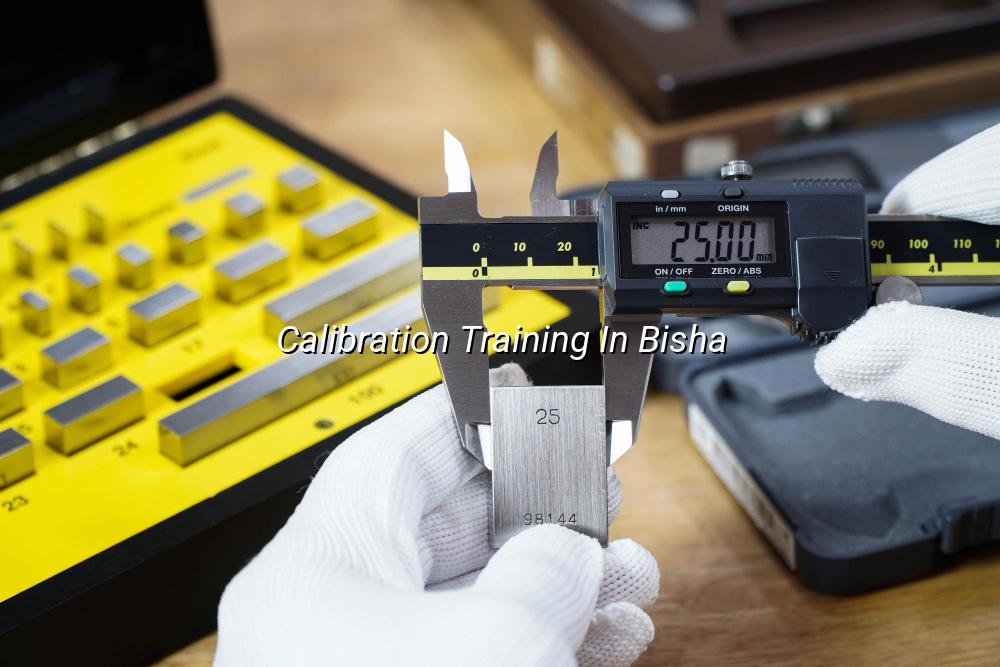
Calibration training in Bisha helps your team handle instruments with more confidence, fewer mistakes and better traceability from the first check to the final record. If you're managing a workshop, plant or site lab, this page shows what the training covers and why it matters for day-to-day work.
We write this for engineers, technicians and QA people who need usable guidance, not classroom theory. In Saudi industrial work, especially around maintenance shutdowns, field service and incoming inspection, the people who touch instruments every day need clear habits that stand up to ISO/IEC 17025 thinking and real plant conditions.
What calibration training in Bisha covers
The goal is simple: help your team understand how to read instrument behavior, keep calibration records clean, protect traceability and spot errors before they spread through production or maintenance work. For Bisha-based contractors, industrial suppliers and site teams, that often means working around pressure gauges, temperature probes, balances, torque tools, multimeters and process instruments that can drift in service.
Training that fits real shop-floor routines
We build the session around the kind of work your staff actually does. A technician in a utility room does not need the same examples as a lab coordinator in Medavakkah or a shutdown crew supporting power, oil and gas, or manufacturing sites in Saudi Arabia. So we keep it practical: instrument care, pre-checks, calibration intervals, as-found and as-left thinking, acceptance criteria, and how to write records that make sense later.
Why local teams ask for it
Most people who call us are trying to stop repeat issues. A gauge gets sent out twice. A thermometer log looks fine until someone compares it to the process data. A torque wrench is used without a proper status check. Training helps reduce that waste. It also gives your team a common language, which matters when maintenance, QA and procurement all review the same job file.
- Start with instrument identification — separate working tools, reference standards and items that need repair before anyone begins the calibration activity.
- Check traceability and status — confirm certificates, labels and due dates so the team knows what can be used and what must stay out of service.
- Set up a proper routine — follow a repeatable sequence for pre-inspection, environmental check, measurements, deviation review and record entry.
- Close the loop — review the result, decide pass or fail, tag the instrument correctly and route any failed item for repair, adjustment or replacement.
- Use one naming format for instruments so site staff and the lab match records easily.
- Keep reference equipment separate from working tools to avoid mix-ups during busy shifts.
- Record the condition of seals, probes, leads and displays before testing starts.
- Review out-of-tolerance findings with maintenance, not just with the filing clerk.
- Train backups, because a single skilled person becomes a bottleneck fast.
Reference points for a practical calibration program
| Topic | What the team learns | Typical site result |
|---|---|---|
| Traceability | How certificates, labels and reference standards connect back to the measurement chain | Cleaner audit trail during QA review |
| Instrument handling | Basic care, storage, transport and pre-use checks for common industrial tools | Fewer avoidable failures and damage |
| Record keeping | How to log readings, conditions and decisions in a format people can read later | Less confusion during maintenance closeout |
| Non-conformance handling | What to do when an item fails, drifts or shows unusual behavior | Faster action on repair, replacement or recheck |
How the training supports QA and maintenance teams
Good calibration habits protect more than instruments. They protect production decisions, maintenance planning and customer confidence. When your team understands what a valid check looks like, they can stop a bad tool from entering service and avoid a lot of noise in the paperwork trail. That matters in Saudi sites where shutdown windows are tight and a wrong reading can send a crew in the wrong direction.
Built for shops, labs and site crews
We can shape the session for lab staff who handle daily checks, or for field teams who work from a mobile van, workshop or plant room. Bisha projects often involve mixed conditions, so the training covers the practical side too: temperature swings, handling during transport, how to protect standards, and when an instrument should be sent for in-house review instead of being pushed back into service.
What teams usually ask us first
People usually want to know how to organize a calibration register, how often to inspect common tools, and how to tell when a reading is genuinely drifting. Those are sensible questions. In the field, small habits make the biggest difference, especially when one calibrated device supports several jobs in the same shift.
Hands-on subjects covered during the session
Our calibration training in Bisha usually includes instrument status control, simple uncertainty thinking, common sources of error, record review and the basics of standards handling. We also talk about the relationship between calibration and repair, because a failed instrument is not just a certificate problem; it often points to wear, misuse or poor storage.
For teams supporting oil and gas, petrochemical, power, construction, healthcare, cold chain or manufacturing work, the examples change, but the logic stays the same. Know what the instrument is supposed to do. Verify it. Record it clearly. Keep it traceable. That discipline helps when your work later gets reviewed against ISO/IEC 17025:2017 thinking or an internal quality audit.
Common issues we see on site
One issue shows up again and again: the team has the tool, but not the status. Another is poor segregation of checked and unchecked items. We also see confusion between calibration and simple verification, which leads to bad decisions about whether equipment can stay in use. Training clears that up quickly when people can see the difference on real instruments.
- Gauge, probe and meter handling examples drawn from real industrial work.
- Record formats that support ISO/IEC 17025-style traceability.
- Basic pass/fail thinking for routine checks and field verification.
- Guidance on when to isolate, repair or recertify an item.
How Mayon Industrial Services Can Help
We run calibration training for teams that also need real service support, so the conversation can go beyond theory. If you need instrument calibration, condition monitoring, inspection, lab setup, repair or field support, our people can tie the training back to the work your staff already handle. That makes the lesson stick.
Call +91 99447 80844 (India) or +966 59 633 8012 (Saudi Arabia), email services@mayonservices.com, or message us on WhatsApp.
Frequently Asked Questions
We focus on the practical side: instrument handling, traceability, basic record keeping, pre-checks, pass/fail decisions and what to do when a tool fails. The exact mix depends on your team, but the aim is always the same — fewer mistakes and cleaner control of instruments used on site.
Honestly, it helps anyone who touches calibrated equipment: technicians, QA staff, maintenance supervisors and lab coordinators. If one person buys, stores or releases instruments for use, they should know the basics. That keeps your process from depending on one knowledgeable person.
Yes. We keep the language practical, but the habits we teach support ISO/IEC 17025:2017-style traceability, controlled records and proper handling of reference equipment. We don't turn it into a theory class; we make sure the team understands what good evidence looks like.
We can support onsite work in Saudi Arabia through our Dammam Industrial City 2 base with SMC Engineering Services / Sixfaces Maintenance Co. That suits plant teams who want the examples tied to their own instruments, their own records and the actual conditions they work in.
It helps people spot the small things early: wrong status labels, poor storage, damaged leads, skipped checks and unclear records. Those problems usually don't start big, but they grow quickly if nobody knows what to look for. Training gives the team a shared method.
Ready to build a stronger calibration routine?
If your team in Bisha needs practical calibration training with real industrial context, we can help you start with the right structure and the right habits.
Contact MayonWhen your team knows how to check, record and control instruments properly, everything around the job gets easier. Mayon Industrial Services brings that training together with calibration, inspection and engineering support, so you're not left with theory alone.