
Inspection Training in Bisha
Practical training for teams in Bisha who need better inspection checks, clearer records and safer decisions in the field.
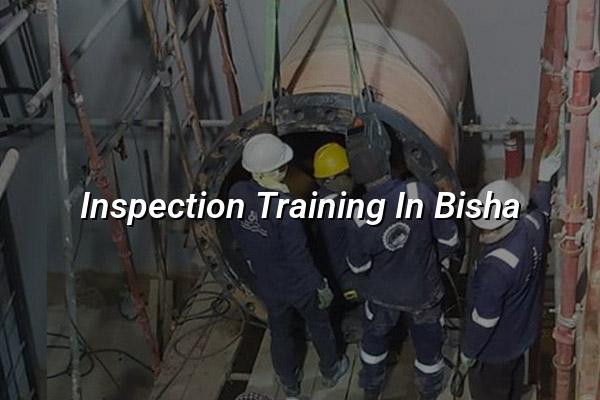
Inspection training in Bisha helps your team make better calls on lifting gear, PPE, and plant equipment before small defects turn into stoppages or unsafe work. If you're responsible for maintenance, QA, or site safety, this page shows what good inspection training should cover and how we build it around real site conditions.
We work with industrial teams across Saudi Arabia, India, and the wider Middle East, so we know the pressures on crews who need clear checklists, traceable records, and practical judgement. Bisha sites often need training that fits local operating realities, not classroom theory that falls apart in the yard.
Inspection Training in Bisha for safer field decisions
Good inspection training is not about memorising a list. It’s about teaching people how to spot wear, deformation, contamination, broken tags, missing markings, and anything else that changes the risk picture on site. In Bisha, we see the best results when the training is tied to the actual equipment your crew uses, from slings and shackles to PPE, portable tools, and lifting accessories.
Why teams ask for it
Most managers come to us because they want fewer misses during routine checks. A technician might see a cracked ferrule, a faded label, or a damaged lanyard and still be unsure whether to reject it, escalate it, or hold it for further review. Training gives that person a method they can repeat under pressure, which matters in shutdowns, warehouses, fabrication yards, and active construction areas around Bisha and the Southern Province.
What people learn on the day
We keep the content practical. The team learns how to inspect, record, and report in a way that supports supervisors and safety officers. We also cover how third-party lifting-equipment inspection fits alongside internal checks, and where BS EN-based inspection expectations usually show up in real projects. The aim is simple: help your staff find defects early and write them down properly.
- Start with equipment grouping — separate lifting gear, PPE, and general site tools so each item gets the right inspection method.
- Check visible condition first — look for cuts, corrosion, distortion, missing labels, contamination, or damage that changes safe use.
- Confirm records and traceability — match the item ID, inspection tag, and log entry before you sign anything off.
- Record the decision clearly — pass, fail, quarantine, or refer for deeper review, with a short note that another supervisor can understand.
- Use real samples from your site so the class sees the same wear patterns your crew faces every week.
- Include tag reading, serial checks, and basic condition reporting, not just visual spotting.
- Show the difference between routine user checks and formal inspection sign-off.
- Train supervisors to stop work when records, labels, or condition details don’t line up.
Inspection checks, purpose and common site use
| Item type | Main check | Why it matters |
|---|---|---|
| Lifting accessories | Wear, deformation, markings, hooks, shackles, slings | Helps crews reject damaged gear before a lift starts |
| PPE | Shell condition, straps, stitching, expiry or unreadable labels | Supports safe use and clear pass/fail decisions |
| NDT-related items | Surface condition, traceability, accessory condition | Keeps inspection records aligned with field findings |
| General site tools | Damage, loose parts, contamination, missing guards | Reduces avoidable faults during daily work and maintenance |
How we shape the session for Bisha sites
We base the session on your equipment list, your reporting style, and the level of experience in the room. If the team is new, we slow down and spend more time on basic fault recognition. If the group already does inspections, we focus on judgement calls, record quality, and how to spot the defects people usually miss on a busy shift.
Built for real operations
That means we can cover lifting-equipment inspection, PPE inspection, and NDT-support tasks in one program if your site needs it. For teams working around industrial plants, fabrication zones, logistics yards, or project sites in and around Bisha, this mix usually works better than sending people to separate generic courses.
What the supervisor gets
A trained team that knows what to check, what to reject, and how to document the result in plain language. That saves time during audits, handovers, and maintenance planning, and it helps stop arguments over whether an item was really fit for use.
What changes after the training
Better inspection discipline
People stop treating inspection as a quick glance. They follow a repeatable method, which makes the outcome easier to trust across shifts and job sites.
Cleaner rejection decisions
Supervisors and technicians become more confident when they need to quarantine a damaged sling, tag out PPE, or send an item for further review.
Stronger records
Logs, photos, and inspection notes become easier to review. That helps during client audits, internal checks, and project closeout.
Who usually books inspection training in Bisha?
We usually hear from maintenance supervisors, HSE teams, warehouse leads, and project managers who need people on the floor to make better inspection decisions. In our experience, the call often comes after a near miss, a failed audit item, or a pattern of repeated equipment damage that nobody documented properly.
Common site settings
Industrial yards, construction camps, utility projects, and logistics spaces all benefit from the same core habits: check the item, confirm the identity, record the finding, and act on it quickly. That simple sequence is what we teach until it becomes normal.
Good fit for mixed teams
If your crew includes new inspectors and experienced hands, the training can be adjusted to suit both. That way nobody gets bored, and nobody leaves without a usable checklist.
How Mayon Industrial Services Can Help
We can support your inspection training in Bisha with practical input from our calibration, inspection, mechanical services, and condition monitoring work. That matters because the people who inspect equipment need more than theory; they need to see how faults are found, recorded, and handled in real industrial conditions. If you want the session shaped around your lifting gear, PPE, or site inspection routine, talk to us and we’ll map it to your needs.
Call +91 99447 80844 (India) or +966 59 633 8012 (Saudi Arabia), email services@mayonservices.com, or message us on WhatsApp.
Frequently Asked Questions
It usually covers visual inspection, defect recognition, record keeping, and when to reject or escalate an item. Depending on your site, we can include lifting equipment, PPE, basic NDT support, and the practical checks supervisors expect on shift.
Yes. We regularly build the session around slings, shackles, hooks, and other lifting accessories so the team can recognise wear, damage, and traceability issues. That’s usually the part people ask for first because it has the clearest safety impact.
We do, if your team needs it. PPE checks are often simple in theory but messy on site, especially when labels fade or the item has minor damage that’s easy to miss. We show staff what to look for and how to make a clean pass/fail call.
Yes, where relevant to lifting and inspection tasks. We keep the discussion practical and focus on the inspection behaviours, markings, and documentation habits that help your team stay consistent with BS EN-based expectations.
Absolutely. We adjust the pace so new staff can learn the basics without losing the supervisors who already know the work. In mixed groups, that usually gives the best result because everyone walks away with a clearer method.
Ready to train your inspection team?
If you need inspection training in Bisha that feels practical on day one, get in touch and we’ll shape the session around your site and equipment.
Contact MayonFor Bisha teams, the value of inspection training shows up in fewer mistakes, cleaner records, and faster decisions when equipment doesn’t look right. Mayon Industrial Services is ready to support that work with real industrial experience and a straightforward approach your people can use on site.