
Inspection Training in Fadhili
Practical inspection training for teams working around Saudi industrial assets, safety routines and field maintenance plans.
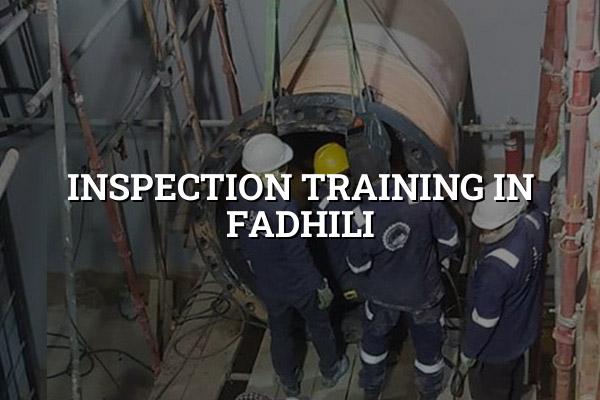
Inspection training in Fadhili helps your team spot faults earlier, record findings properly and handle lifting, PPE and equipment checks with more confidence. If your supervisors, HSE staff or maintenance crew need clearer inspection habits, this page shows how the training works and what your people should expect on site.
We write this for industrial teams around Saudi Arabia's gas, petrochemical and utilities corridors, where inspection records need to stand up to audits, contractor reviews and day-to-day plant discipline. In practice, that means training people to work with BS EN expectations, simple reporting discipline and the kind of现场 judgement that keeps jobs moving without cutting corners.
Inspection Training in Fadhili for daily plant work
Most teams do not need theory alone. They need people who can look at a lifting accessory, PPE item or installed asset and decide what matters, what can be used, and what must be escalated. That is the real value of inspection training in Fadhili: better decisions at the point of use, fewer missed defects and cleaner records for maintenance and safety teams.
What the training covers on site
We build the session around your actual equipment and risk profile. For many clients in Saudi industrial zones, that means lifting gear, slings, shackles, hooks, harnesses, helmets, gloves and other PPE checks, plus the basics of inspection logging and rejection criteria. Where needed, we also bring in examples from NDT awareness, field inspection of mechanical assemblies and the difference between a visual check and a formal accept-or-reject inspection.
Who should attend
The best results come when supervisors, technicians and safety staff attend together. A foreman sees the job differently from a QA officer, and that mix makes the discussion practical. We usually find that people who already handle shutdowns, scaffold control, lifting plans or contractor oversight pick up the inspection logic fastest because they can connect it to live work, not just classroom examples.
- Start with your asset list — we review the equipment types, inspection frequency and any problem areas your team keeps seeing.
- Walk through real examples — participants inspect actual items, compare findings and discuss why a defect matters.
- Set clear pass and fail rules — we show how to record wear, damage, missing labels and unsafe conditions in plain language.
- Close with reporting practice — your team learns how to keep inspection notes consistent so supervisors can act on them quickly.
- Build confidence in lifting-equipment and PPE checks used on active sites.
- Use BS EN-based inspection habits for clearer accept, reject and quarantine decisions.
- Reduce confusion between visual checks, user checks and formal inspection records.
- Improve handover quality between maintenance, safety and contractor teams.
Typical inspection topics we cover in Fadhili
| Topic | What learners practice | Typical output |
|---|---|---|
| Lifting equipment inspection | Visual checks for deformation, corrosion, wear, missing tags and obvious damage | Clear pass, reject or quarantine decision |
| PPE inspection | Checking harnesses, helmets, gloves and other PPE for damage and serviceability | Simple user-level inspection record |
| Inspection reporting | Writing concise notes, marking defects and escalating unsafe items | Consistent report format for supervisors |
| Safety judgement | Using site rules and BS EN expectations to judge when to stop use | Better field decisions under pressure |
Why inspection training improves safety and audit readiness
Good inspection habits save time later. When people know what they are looking for, they stop treating every sign of wear as a debate. That matters in Fadhili, where plant work can involve contractors, rotating shifts and busy maintenance windows. A trained inspector keeps notes tighter, spots unsafe conditions faster and helps the site avoid last-minute arguments over whether an item should stay in service.
Records that people can actually use
We keep the reporting side simple. The goal is not to produce paperwork for its own sake. The goal is a record that a supervisor, HSE lead or planner can read in one pass and act on. That is why we stress dates, item identity, condition, defect description and action taken, instead of vague comments that leave everyone guessing.
Built for industrial teams
We design the session around the realities of Saudi oil & gas, petrochemical, power and maintenance environments. If your crew is already handling lifting operations, turnarounds or contractor control, the examples will feel familiar from the first hour. That makes the lesson stick.
How the session usually runs
Every site is a little different, so we do not force a fixed classroom script onto a live plant. First, we ask what gets inspected most often and where mistakes tend to happen. Then we match the examples to your equipment, your reporting format and your team size. If the site needs a short refresher, we keep it focused. If the group is new, we slow down and spend more time on the basics.
That flexibility helps in mixed teams. A technician may already know the tools, while a newer safety officer may need more help reading defect signs or choosing the right wording for a report. The training should make both of them better at the same job.
A few things we normally emphasize
We remind learners that an inspection is not a guess, and it is not a box-tick. The person doing it should understand the item, the type of defect likely to appear and the condition that means the item is no longer safe for use. That applies to lifting equipment, PPE and many other site items where the cost of a bad call is a failed lift, an incident or an avoidable shutdown.
- Hands-on examples based on your own site equipment.
- Clear language for defect notes and escalation.
- Better understanding of inspection frequency and responsibility.
- Guidance that fits Saudi industrial settings and contractor workflows.
How Mayon Industrial Services Can Help
We support inspection training with the same industrial mindset we use for calibration, mechanical services and inspection work. If you need field-friendly instruction for lifting gear, PPE or site inspection routines, our team can shape the session around your operations, your reporting needs and the standards your plant already follows. We also work across Saudi Arabia and the wider Middle East, so the training fits real contractor and plant conditions.
Call +91 99447 80844 (India) or +966 59 633 8012 (Saudi Arabia), email services@mayonservices.com, or message us on WhatsApp.
Frequently Asked Questions
The session usually covers visual inspection habits, defect recognition, reporting discipline and decision-making for lifting equipment and PPE. We can also tailor it to your site rules, contractor controls and the item types your team handles most often. If your operation needs a stronger focus on one area, we build that into the training.
Yes, and that is often the better approach. Many sites need the same people to understand both user-level PPE checks and basic lifting gear inspection rules. Combining them helps reduce confusion and gives supervisors one common language for reporting defects.
Absolutely. We work with the realities of Saudi plant operations, where contractor coordination, permit discipline and safety records all matter. The examples and reporting style can be adapted to your site setup so the training feels relevant, not generic.
Yes. New supervisors usually benefit a lot because they learn how to judge defects, stop unsafe use and write a clear report from the start. We keep the language practical so they can use it on the floor the same day, not just file it away after the session.
When records are clear and inspections are done the same way each time, audits get easier. You spend less time explaining unclear notes and more time showing a sensible inspection process. That usually helps QA, HSE and maintenance teams work from the same facts.
Ready to improve inspection confidence on site?
If your team in Fadhili needs practical inspection training, we can shape it around the equipment and workflows you already use.
Contact MayonGood inspection habits are built, not guessed. If you want training that feels grounded in real plant work and supports safer decisions every day, Mayon Industrial Services is ready to help.