
Inspection Training in Khafji
Practical training for inspection teams working in Khafji, the Northern Province and nearby Saudi industrial sites.
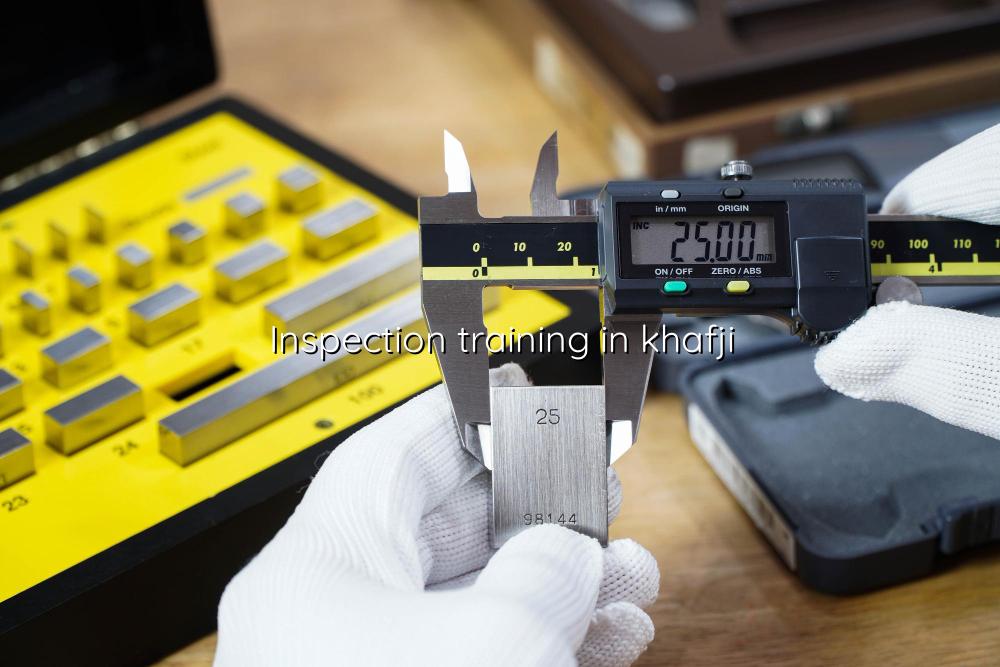
Inspection training in Khafji helps supervisors, QA teams and maintenance staff build the confidence to check equipment properly before it goes back into service. If you manage lifting gear, PPE, or site inspection records, this page shows the skills, methods and reporting habits that matter on real jobs.
We train for the conditions teams actually face in Khafji, the Northern Province and nearby Saudi industrial work sites, where inspection discipline matters every day. From BS EN-based lifting-equipment checks to NDT awareness and PPE inspection routines, the goal is simple: fewer misses, clearer records and safer handover decisions.
What inspection training in Khafji should cover
A useful inspection course is not just theory on a screen. It should teach your team how to look at a piece of equipment, identify the right standard or checklist, record what they saw, and decide what happens next. In practice, that means lifting accessories, shackles, slings, hooks, safety harnesses, warehouse handling tools and other workplace items are assessed with a consistent method, not by guesswork.
Why site teams ask for this training
Most supervisors call us because they need better consistency. One person spots damage, another misses it, and the report ends up too vague for a client audit or an internal shutdown review. With focused inspection training, your team learns the difference between visual observation, acceptance criteria, rejection points and follow-up action. That matters in Khafji and across Saudi industrial work where the paperwork has to stand up to review.
How we teach the inspection mindset
We keep the training practical. Learners handle examples, read typical inspection sheets, discuss common defects, and practice writing clear findings. We also talk through the real habits that slow teams down, like skipping serial numbers, using the wrong condition codes, or writing notes that nobody else can interpret later. Small habits make a big difference when a lifting item returns to service.
- Start with the item — identify the equipment, the duty and the service environment before you inspect anything.
- Check visible condition — look for deformation, corrosion, cracked parts, missing tags, worn labels and contamination.
- Match the record — confirm the serial number, asset code and previous findings against the inspection sheet.
- Write a clear decision — pass, monitor, repair or reject, with enough detail for the next person to act.
- Focus on practical checks that staff can repeat during shifts and shutdowns.
- Use inspection sheets that name the asset, location and result in plain language.
- Train staff to spot defects early, before a lift plan or permit gets delayed.
- Include examples from lifting gear, PPE and site support equipment used in Saudi operations.
Inspection topics, typical checks and the record you need
| Training area | What learners check | Typical output |
|---|---|---|
| Lifting equipment inspection | Hooks, slings, shackles, tags and wear signs | Pass/fail note with item ID |
| PPE inspection | Harness condition, stitching, straps, buckles and expiry marks | Safe-to-use or reject decision |
| NDT awareness | Surface condition, visible flaws and when specialist testing is needed | Referral for further evaluation |
| Site reporting | Serial number, location, date, defect details and action taken | Clear inspection report for QA files |
How the training helps your audit trail
When inspection records are written well, your team spends less time chasing missing details and more time keeping equipment moving. That is useful in oil and gas, petrochemical, power, construction and manufacturing settings where equipment changes hands often and more than one department may touch the same asset file. We see the same issue again and again: the equipment was checked, but nobody can prove what was checked.
Clear reports make handovers easier
A good report names the item, the condition, the finding and the next action. It should be easy for a supervisor in Khafji, Dammam or a Middle East project yard to read without calling three people for clarification. That is why we spend time on wording, not just inspection technique.
Useful for site teams and supervisors
We train people who need to make decisions in the field, not just pass a classroom quiz. That includes maintenance technicians, safety staff, QA coordinators and inspection teams handling lifting gear, PPE and workshop support items. The focus stays on day-to-day use, simple reporting and the sort of discipline auditors expect.
Who should attend inspection training in Khafji?
This training suits people who already work around equipment and need to formalise what they do. That includes lifting supervisors, stores and rigging staff, HSE personnel, maintenance engineers, workshop inspectors and anyone who signs off basic serviceability checks. If your team has to deal with third-party clients or internal compliance reviews, formal training makes the process easier to defend.
Where it fits into your wider site system
Inspection training is strongest when it sits beside calibration, condition monitoring and maintenance routines. A team that understands inspection limits can flag an issue early, then send the item to the right service line instead of guessing. That saves time on the back end and reduces repeat findings during follow-up checks.
What we look for during a practical session
We pay attention to how people observe, record and communicate. Some staff are technically strong but weak on documentation. Others write neat reports but miss obvious physical damage. Practical sessions let us correct both. That balance is valuable in Saudi project environments where multiple contractors may handle the same equipment over a short period.
- Review the asset history — understand where the item has worked and what the last report said.
- Inspect under proper lighting — use conditions that let defects show up instead of guessing in poor visibility.
- Apply the right standard — use the inspection rule or client requirement that matches the equipment type.
- Escalate when needed — pass it to repair, testing or specialist inspection when the item is outside visual decision-making.
- Works well for new inspectors and experienced staff who need refresher training.
- Helps reduce vague comments such as “okay” or “checked” in reports.
- Supports safer asset release decisions before lifting or use.
- Fits Khafji-based teams working with Saudi industrial clients and contractors.
How Mayon Industrial Services Can Help
We support inspection training with the same practical mindset we use across calibration, inspection services, condition monitoring and mechanical work. If your team in Khafji needs better lifting-equipment checks, clearer PPE inspection habits or stronger reporting for site handovers, we can shape the session around your actual equipment and process. That makes the training useful from the first shift after delivery.
Call +91 99447 80844 (India) or +966 59 633 8012 (Saudi Arabia), email services@mayonservices.com, or message us on WhatsApp.
Frequently Asked Questions
It usually covers how to inspect lifting equipment, PPE and related site items, then document the result clearly. We also explain when an item should be passed for repair, further testing or specialist review. The aim is to make the inspection repeatable, not dependent on one person’s memory.
We normally recommend supervisors, maintenance staff, riggers, QA personnel and anyone who signs off equipment for use. If your team is small, one trained person can still raise the standard for the whole site. In larger teams, training more than one inspector helps with consistency during shift changes.
Yes. That is usually the best way to do it. We can focus on the gear your team actually handles, such as slings, shackles, harnesses, warehouse equipment or other inspection-critical items used in Khafji and nearby industrial projects.
We do, where they apply to lifting-equipment and inspection work. We keep the discussion practical and tie the standard back to what the inspector has to do on site. That way the team knows what to look for and how to write it down properly.
Honestly, yes. A lot of recurring findings come from vague wording, missing identifiers or inconsistent pass/fail decisions. Once the team learns a cleaner method, reports become easier to read and much easier to defend during audit reviews or client checks.
Ready to raise inspection standards in Khafji?
If your team needs practical inspection training that fits real site work, we’re ready to help you set it up.
Contact MayonGood inspection training makes the next decision easier. If you want your Khafji team to inspect with more confidence and report with more clarity, Mayon Industrial Services is ready to help.