
Inspection Training in Turaif
Practical training for teams in Turaif who need safer inspection routines, clearer records and better site decisions.
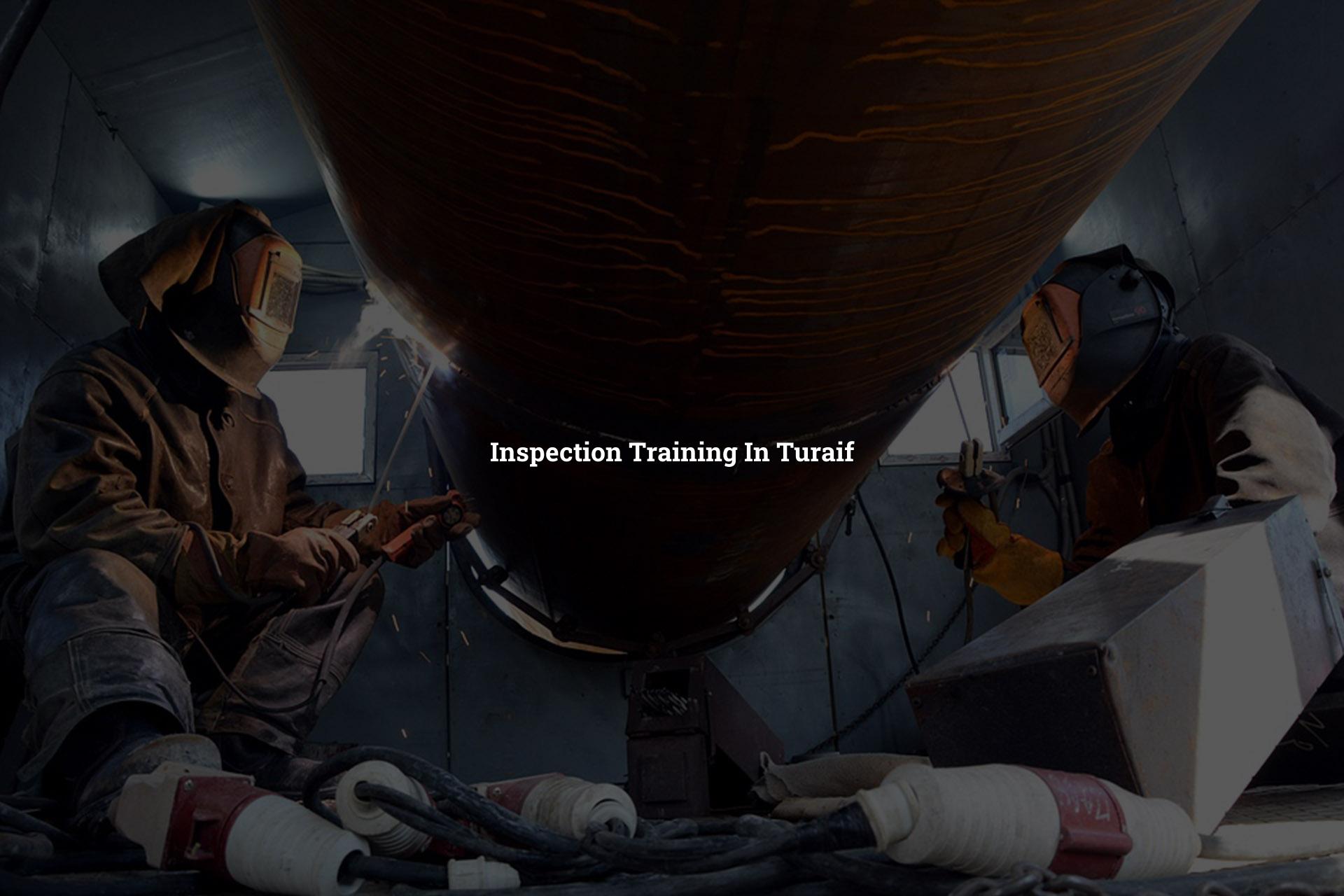
Inspection training in Turaif helps your team spot equipment faults, record findings properly and make safer callouts before a lifting job or maintenance shutdown gets messy. If you're dealing with mixed crews, contract labour or new inspectors, this page gives you a practical way to tighten the basics without wasting time.
We work with industrial teams across Saudi Arabia and the wider Middle East, so the training here is shaped by what actually shows up on site: lifting gear, PPE checks, NDT handling, workshop routines and the discipline needed to keep logs clean. Turaif sites often want direct, usable instruction. That's exactly how we teach.
What inspection training in Turaif should cover
A good inspection course isn't just theory. It should train people to check lifting tools, identify obvious damage, understand defect reporting and separate a minor finding from something that stops the job. In our experience, that last part matters most on busy industrial sites, because hesitation slows everyone down and overconfidence is just as bad.
Start with the items people actually touch
We usually begin with slings, shackles, hooks, eyebolts, body harnesses, helmets, gloves and other PPE that pass through daily hands. Then we move to basic NDT awareness so supervisors know what an external contractor is doing, what the report means and when to ask for a closer look. For teams working near oil and gas, petrochemical or power assets, that sort of literacy saves time and cuts arguments.
Records matter as much as the inspection itself
Inspection training should teach your team how to write a clear log, note serial numbers and keep the condition status easy to follow. A good report in Turaif should tell the next person exactly what was seen, where it was seen and what action was taken. That's the difference between a paper exercise and a usable site control process.
- Review the equipment list — match the training to the lifting tools, PPE and inspection points your site actually uses.
- Demonstrate the check — show people how to inspect condition, markings, wear, deformation and obvious damage.
- Practise the report — have the team fill in a sample inspection sheet with the right remarks and status.
- Close with site decisions — explain when to tag out, escalate, repair or recheck before release.
- Keep the training tied to BS EN expectations used for lifting and inspection work.
- Use real site items instead of generic classroom props whenever you can.
- Make supervisors practise pass, fail and hold decisions, not just definitions.
- Include photo-based defect examples so new staff learn faster.
Inspection topics teams in Turaif usually need first
| Module | Main focus | Typical site use |
|---|---|---|
| Lifting equipment inspection | Wear, damage, markings and rejection checks | Crane lifts, rigging and material handling |
| PPE inspection | Condition, fit, expiry and visible defects | Workshop access, plant rounds and shutdown jobs |
| NDT awareness | What common methods indicate and how to read findings | Maintenance support and contractor oversight |
| Inspection reporting | Clear notes, status tags and traceable records | QA files, audits and site handover |
Why this training matters for Saudi inspection teams
Sites around Turaif often support logistics, heavy equipment and contractor-led maintenance, so the people doing frontline checks need confidence and consistency. Training reduces the chance of missed damage, poor tagging and vague sign-off language. It also helps your team speak the same language as supervisors, safety officers and third-party inspectors.
Use it to support audits and daily control
When your inspection routine is trained properly, your records are easier to review, your hold points are clearer and your corrective actions don't get lost in email threads. That matters whether the job is a lifting operation, a workshop release or a PPE gate inspection at shift start.
Built for real plant conditions
We focus on what teams see every day: dusty yards, heavy handling areas, compressor rooms, fabrication bays and shutdown work. The training stays practical, with examples that make sense to engineers and supervisors, not just classroom learners.
What your team should be able to do after training
Spot defects early
Your inspectors should be able to notice wear, deformation, loose hardware, damaged labels and missing traceability before the gear goes back into service.
Write cleaner records
Good records help during ISO 9001:2015 reviews, contractor handovers and internal checks. They also reduce the usual back-and-forth when someone asks why an item was held.
Train new staff faster
New hires in Turaif don't need a long theory session first. They need clear examples, a repeatable method and a supervisor who knows what good looks like.
How Mayon Industrial Services Can Help
We support inspection training with the same hands-on mindset we use for lifting-equipment inspection, NDT support, PPE checks and industrial maintenance work. If your team in Turaif also needs calibration, mechanical service, testing support or better documentation habits, we can build the training around your site reality. That keeps the session useful after the trainer leaves.
Call +91 99447 80844 (India) or +966 59 633 8012 (Saudi Arabia), email services@mayonservices.com, or message us on WhatsApp.
Frequently Asked Questions
It usually covers lifting gear checks, PPE inspection basics, defect recognition and reporting. We also include how to talk about findings in a way that supervisors and maintenance teams can act on. For many sites, that's the part that makes the biggest difference.
Yes. We can focus the session on the equipment and PPE your people handle every day, which keeps it relevant and easier to remember. If you want, we can also build in sample forms and defect photos from real industrial work.
Honestly, yes. Supervisors often make the final call on hold, use or release, so they need enough inspection knowledge to judge a report properly. A short practical module can save a lot of confusion on active jobs.
We do when it helps the site. The aim isn't to turn your crew into NDT technicians; it's to help them understand what the methods are for and how to read the outcome of a report. That makes contractor oversight much easier.
Yes. That's usually the best way to do it, because every site has its own forms, tags and sign-off flow. We can shape the training around your procedure, your equipment list and the level of your team.
Send us your site location, the number of people involved and the inspection topics you want covered. You can call, email or send a WhatsApp message, and we'll take it from there with the next practical step.
Ready to strengthen inspection discipline on site?
If your Turaif team needs clearer checks, cleaner records and more confident decisions, start with a training session built around the equipment you actually use.
Contact Mayon