
Pneumatic Testing Service Company in Turaif
Safe pressure checks for lines, vessels and fabricated systems serving Turaif projects.
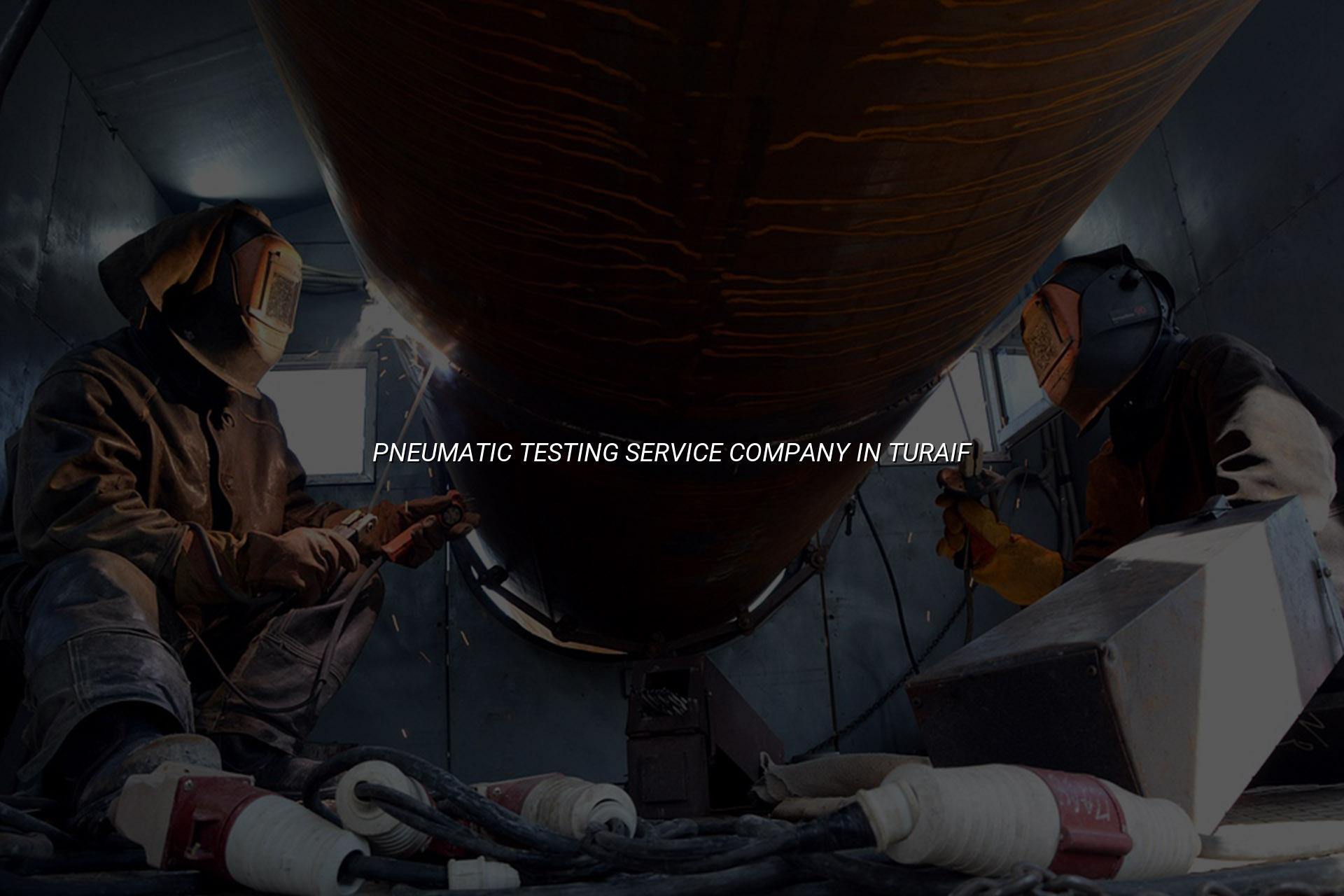
Pneumatic testing service company in Turaif is the phrase people use when they need a team that can check pressure integrity without wasting time on guesswork. We help you verify lines, fittings and fabricated assemblies with controlled air or inert gas testing, so you can spot leaks before the system goes live.
From Turaif and the wider Northern Borders region to industrial sites across Saudi Arabia, our work fits the kind of jobs that need discipline, traceability and a calm approach. In our experience, plant teams usually call when the hydrotest route is not suitable, when the system is sensitive to moisture, or when they need a safer pre-commissioning check before handing over to operations.
Pneumatic Testing Service Company in Turaif for Pressure Integrity Checks
Pneumatic testing is chosen when the line or vessel cannot be filled with water, or when drying the system afterward would cause more trouble than the test itself. That comes up in instrument air networks, small bore piping, packaged skids, heat-sensitive assemblies and certain process lines where moisture is a real issue. The key is control: a proper test plan, a slow pressure build-up, clear exclusion zones and a methodical leak search using approved procedures.
Where this type of test is used
We support pre-commissioning and maintenance work for oil and gas, petrochemical, power, construction, manufacturing and cold-chain facilities. On a typical site, the team may need leakage checks on air headers, pipe spools, manifold assemblies, flange joints, control panels or utility systems before final connection. That is why clients in Saudi Arabia often ask for a pneumatic testing service company in Turaif that understands both field discipline and production pressure.
What we look at before pressurizing
Before any test starts, we review the system boundary, test medium, allowable pressure, material condition and isolation points. If the arrangement calls for it, we also coordinate with related work such as flange preparation, bolt torquing, mechanical support checks or testing and commissioning support. Small things matter here. A missing blind, a weak gasket selection or an undocumented tie-in can turn a simple test into a long shutdown.
- Confirm the test scope — we identify the piping or equipment boundary, the design pressure and the parts that must stay isolated.
- Inspect the system first — joints, supports, fittings, temporary closures and vents are checked before pressure is applied.
- Raise pressure in stages — the system is brought up slowly so the team can watch for movement, noise or sudden pressure loss.
- Find and correct leaks — suspected points are marked, repaired, and rechecked until the system holds steady.
- Record the result — we document the test arrangement, readings and observations for the client’s file and handover pack.
- Use pneumatic testing where water would damage the system or delay recommissioning.
- Keep the test area restricted, because compressed gas stores energy and needs respect.
- Use calibrated gauges and documented test equipment for cleaner traceability.
- Combine the test with flange inspection, bolt tightening and leak checks for better results.
How Pneumatic Testing Compares With Other Common Checks
| Method | Typical Use | Field Consideration |
|---|---|---|
| Pneumatic test | Air or inert gas leak and integrity checks | Needs tight control, safe barriers and careful pressure increase |
| Hydrotest | Strength and pressure holding checks with water | Not ideal where moisture can stay trapped or damage equipment |
| Soap-solution leak check | Spot-checking joints and threaded connections | Best for local leak hunting, not a full system acceptance test |
| Vacuum hold test | Negative-pressure integrity verification | Useful on selected systems, but it is a different method and setup |
Why Industrial Teams Ask for Controlled Pneumatic Testing
Most clients are not asking for a test just to tick a box. They want confidence that the system is tight before startup, that the joints were checked by someone who knows the difference between a quick patch and a proper repair, and that the paperwork will stand up during internal review. For projects linked to ISO/IEC 17025:2017 measurement discipline or ISO 9001:2015 quality systems, the record trail matters just as much as the pressure reading.
Good records save time later
A clean test report helps maintenance teams, QA engineers and project managers avoid repeated checks when the system is handed over. It also helps when a client in Turaif, Dammam Industrial City 2 or another Saudi location needs to explain what was done during pre-commissioning. If there is a question later, the document history tells the story.
Used on real plant work, not just paper specs
We see pneumatic testing tied to skid assembly, pipe fabrication, packaged utility systems, maintenance shutdowns and final commissioning checks. It is common on jobs where the team needs a clean leak-free result before the client signs off and the line is put into service.
What We Can Bring to a Turaif Site
When a job needs more than one trade, we can coordinate the wider support around the test. That may include mechanical services for flange work, bolt torquing, cold cutting or hydrotesting support, calibration for gauges and test instruments, or inspection work tied to BS EN requirements. Our team also works with mobile calibration capability, so the instruments used on site are not just present — they are checked and traceable.
For clients handling shutdowns or new-build handover, that combined approach reduces the back-and-forth between contractors. It also suits Saudi industrial projects where field access can be tight and the schedule changes quickly. If your line is part of an oil and gas, petrochemical, power or manufacturing package, having one team handle the pressure test and related checks keeps the job easier to manage.
How Mayon Industrial Services Can Help
We support pneumatic testing with the kind of field discipline industrial teams expect: careful setup, calibrated instruments, controlled testing and clear reporting. If your job also needs inspection, mechanical support, calibration, orbital welding or lab setup advice, our team can coordinate the work instead of sending you from one contractor to another.
Call +91 99447 80844 (India) or +966 59 633 8012 (Saudi Arabia), email services@mayonservices.com, or message us on WhatsApp.
Frequently Asked Questions
We set up a controlled pressure test using air or inert gas, check the system for leaks, and document the result. The job usually covers piping, manifolds, skids, or equipment where water testing is not the best option. The aim is simple: prove the system can hold pressure without introducing moisture.
Choose pneumatic testing when the system must stay dry, when water could cause contamination, or when drying afterward would take too long. We often see this on instrument air systems, sensitive assemblies and certain pre-commissioning jobs. If the line can safely accept water, hydrotesting may still be the better choice for some scopes.
Yes, when it is planned and controlled properly. The system needs barriers, restricted access, gradual pressurization and the right test boundary. We treat compressed gas with respect, because the stored energy is real and the test area must be managed carefully.
We support projects across Saudi Arabia, including Dammam Industrial City 2, and we also work across India and the wider Middle East. If your project needs a field team plus calibrated instruments, we can discuss the site setup and the supporting scope. The exact plan depends on the system and the location.
Yes, we do. Our calibration services cover pressure instruments and other industrial measuring devices, which helps keep the test data traceable and easier to defend during review. If the job needs it, we can combine the test work with calibration support and onsite handling.
Oil and gas, petrochemical, power, manufacturing, construction and cold-chain operators are the most common. We also see it on packaged mechanical systems and utility lines. The common thread is the same: the client wants confidence before startup.
Ready to check the line before startup?
If you need a pressure test team that understands industrial work in Saudi Arabia, we’re ready to help with practical support and clear reporting.
Contact Mayon