
Calibration Training in Fadhili
Practical training for technicians, engineers and QA teams working in Saudi industrial sites and nearby GCC operations.
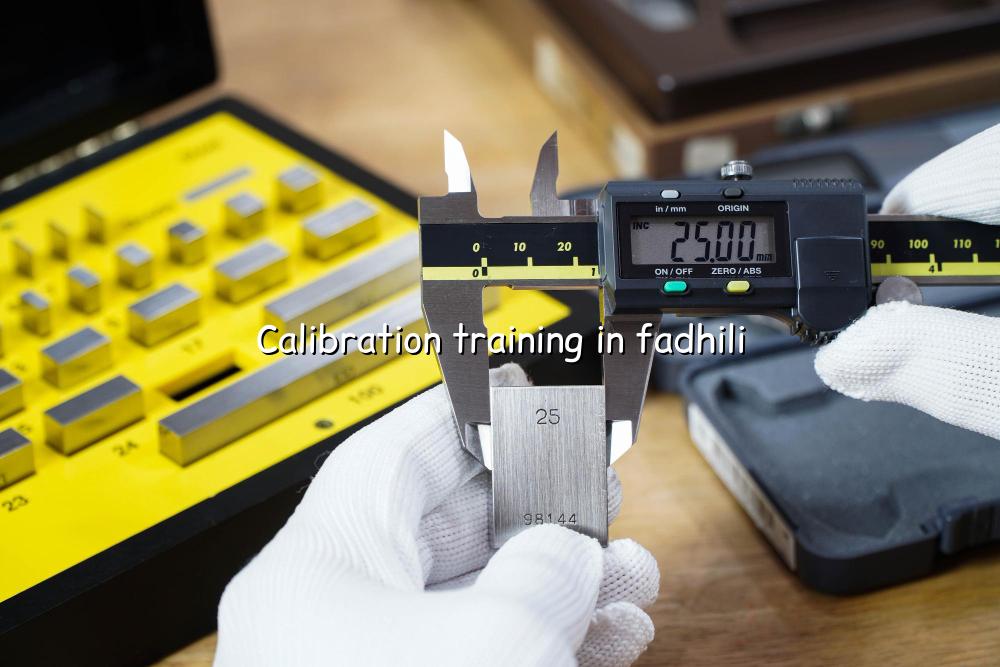
Calibration training in Fadhili gives your team a clearer way to handle instruments, records and checks without guessing. If you're dealing with plant shutdowns, audit questions or repeated instrument drift, this page shows what a proper training program should cover and what your people should be able to do after it.
We write from real industrial work in Saudi Arabia and the wider Middle East. In places like Fadhili, where gas processing, utilities and maintenance teams need traceable results, training has to match site reality: pressure gauges, temperature devices, electrical instruments, torque tools and the paperwork that keeps everything defensible.
What Calibration Training in Fadhili Should Cover
A strong course does more than explain theory. It should show your engineers and technicians how to read calibration procedures, protect traceability, spot damaged instruments, manage acceptance limits and record results in a way that stands up to internal review. For teams supporting petrochemical and power operations, that usually means working through the full path from receipt of the instrument to final release.
Why teams in Fadhili ask for this training
Most teams don't ask for training because everything is broken. They ask because small mistakes keep repeating: a thermometer is tagged wrong, a pressure transmitter comes back without enough data, or a torque wrench is used outside its due check cycle. Training helps your staff stop those issues before they affect shutdown planning, production integrity or audit findings.
How the class is usually structured
We keep it practical. People understand quicker when they work through real examples such as electrical calibration, thermal checks, mass and force tools, or a simple record review. In our experience, the best sessions mix short technical explanations with hands-on discussion, because that is what plant technicians remember when they are back on site.
- Start with instrument identification — group gauges, meters, probes and tools by function so the team knows what needs calibration, what needs inspection and what can be verified in-house.
- Review the procedure line by line — show how to follow an ISO/IEC 17025-style approach, check ranges, note tolerances and avoid copying old certificates without checking the actual job.
- Practice measurement discipline — teach zero checks, stable readings, environmental control and the habit of recording actual results instead of rounded guesses.
- Close the loop with reporting — train staff to label pass/fail status clearly, keep traceability records tidy and hand over instruments only when the documentation is complete.
- Use actual plant instruments during the session, not only slides.
- Include pressure, temperature, electrical and torque examples, since those are the tools maintenance teams touch most often.
- Ask trainees to read a certificate and point out the traceability chain before they touch any equipment.
- Build one page of local job practice notes for Fadhili site work, then keep it with the team file.
Reference Points for a Useful Calibration Course
| Topic | What the trainee should learn | Typical site result |
|---|---|---|
| Instrument handling | How to receive, tag, store and protect equipment before calibration | Fewer damaged devices and cleaner inventory control |
| Reading procedures | How to follow ranges, tolerances and environmental conditions without skipping steps | More consistent results across shifts |
| Traceability | How reference standards and records connect to the final certificate | Stronger audit confidence under ISO/IEC 17025 |
| Reporting and release | How to document pass/fail status and hand back instruments correctly | Less rework for maintenance and QA teams |
Skills That Matter After the Classroom Ends
The real value shows up after the session. A trained technician should be able to decide whether an instrument needs adjustment, external calibration, repair or simple removal from service. They should also know how to work with a temperature-controlled lab, a mobile calibration van or a pick-up and delivery workflow when the instrument needs special handling.
Where ISO/IEC 17025 thinking helps most
ISO/IEC 17025 is not just for the lab staff. When your team understands measurement control, uncertainty basics, reference standards and record discipline, they make better field decisions. That matters in Saudi industrial sites where shutdown windows are short and every document may be reviewed by operations, QA and contractors.
What good training changes
We usually see fewer repeated errors, cleaner handover notes and less confusion between calibration and inspection. People also get better at spotting when a pressure, electrical or thermal instrument should be removed from use instead of pushed back into service.
How Mayon Industrial Services Can Help
We run calibration management training for engineers and technicians who need practical control, not theory that disappears after the class. Our team can connect the training to real calibration disciplines, lab setup, instrument handling and field checks, so your people leave with habits they can use on the next job in Fadhili or elsewhere in Saudi Arabia. If you want a session tailored to your site tools and records, we can shape it around your work.
Call +91 99447 80844 (India) or +966 59 633 8012 (Saudi Arabia), email services@mayonservices.com, or message us on WhatsApp.
Frequently Asked Questions
It usually covers instrument handling, procedure reading, traceability, result recording and release checks. For site teams, we also include practical examples from pressure, temperature, electrical and torque tools, because those are the items people handle most often.
Maintenance engineers, QA staff, instrument technicians and supervisors usually get the most value. If your team receives instruments, releases them to production or reviews certificates, this kind of training helps them work with more confidence and fewer repeat errors.
Yes, and that's usually the best way to do it. We can base the discussion on your actual gauges, thermometers, meters and tools, so the session feels relevant to the work your team does in Fadhili rather than a generic classroom example.
It helps staff understand traceability, controlled records and disciplined measurement practice. Even if your team does not run a lab, the same habits reduce mistakes and make it easier to work with accredited calibration providers and internal quality checks.
We serve clients in Saudi Arabia, India and the wider Middle East. Our teams support onsite work and can adapt the session to the location, the instruments in use and the documentation flow your site follows.
Ready to train your team properly?
If your staff need better control of calibration records, instrument care and field decisions, we can build a session around your operation and your tools.
Contact Mayon