
Inspection Training in Diriyah
Practical inspection training for site teams who need safer checks, clearer records and better decisions in Diriyah and across Saudi industrial work.
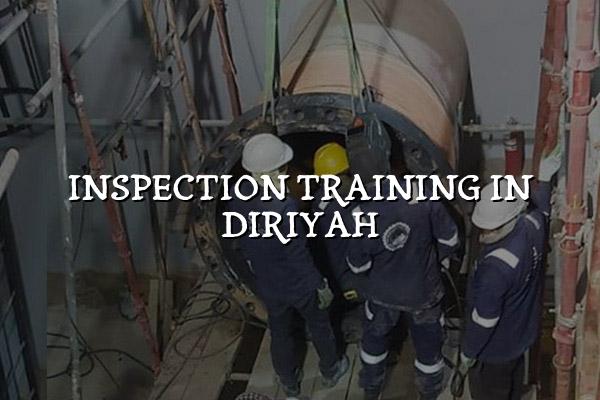
Inspection training in Diriyah helps supervisors, maintenance staff and quality teams learn how to spot defects before they turn into shutdowns, incidents or rejected handovers. You get a practical view of lifting checks, basic NDT awareness and PPE inspection, plus the record-keeping discipline that site teams in Saudi Arabia need every day.
We write this from field experience, not theory. In Diriyah and the wider Riyadh region, teams often want training that fits live plant conditions, contractor handover rules and the BS EN-based inspection habits used on industrial sites, so the content here focuses on what people actually do on the ground.
What inspection training in Diriyah should cover
A useful inspection course has to cover more than a checklist. Your team should understand how to look at lifting gear, PPE and plant equipment, then decide what can stay in service, what needs further examination and what should be taken out of use straight away. That judgement matters in oil and gas support yards, construction projects, warehouses and maintenance workshops across Saudi Arabia.
Why the first hour matters
We usually start with the basics: types of defects, common failure points, and the difference between a visual check and a formal inspection. People often know what a damaged sling looks like, but they are less certain about deformation, missing identification, surface cracking, heat damage or contamination. Clear examples help here, especially when the team works with cranes, shackles, slings, ladders and PPE on busy sites.
Records, tags and responsibility
Training should also cover the paper trail. If an item is inspected, tagged and passed, someone needs to know who did it, what was found and when the next check is due. That matters in client audits, contractor onboarding and internal safety reviews, especially where multiple crews share the same equipment pool.
- Identify the item — confirm the asset type, serial number or tag, and check that the item matches the register.
- Inspect visually — look for wear, cuts, bending, corrosion, loose parts and anything that suggests unsafe use.
- Compare with acceptance criteria — use the site rule, manufacturer guidance or BS EN-based checklist that applies to that item.
- Record the outcome — pass, fail or hold for further review, with clear notes that another person can understand later.
- Build confidence in lifting-equipment checks before a job starts.
- Reduce the chance of vague inspection notes that slow handover.
- Teach teams how to spot damage on PPE, slings and attachments.
- Improve consistency between supervisors, technicians and contractors.
- Support safer decisions during site inspections and shutdown work.
Inspection topics teams usually need in Diriyah
| Topic | Typical field focus | Why it matters |
|---|---|---|
| Lifting equipment | Slings, shackles, hooks, beams and accessories | Helps teams catch wear, deformation and missing identification before lifting starts |
| PPE inspection | Helmets, harnesses, gloves, footwear and fall-arrest gear | Supports safer daily use and better discard decisions |
| NDT awareness | Surface cracks, corrosion signs and defect reporting basics | Teaches when a visual check is not enough and escalation is needed |
| Inspection records | Tags, logs, findings and follow-up actions | Creates a traceable trail for audits, client reviews and maintenance planning |
How the training should feel on site
Good inspection training uses the same kind of items people see in daily work. A classroom talk is fine for the theory, but teams remember more when the trainer brings real samples, examples of failed gear and clear photos of acceptable versus rejectable conditions. That approach works well for maintenance crews, QA staff and safety officers who need quick decisions, not long lectures.
Use cases that come up often
We see strong demand from projects where lifting gear changes hands between contractors, warehouse teams need routine PPE checks, or plant managers want a cleaner process for quarantine and release. Diriyah has its own pace, but the problems are familiar: rushed handovers, missing tags, and equipment that gets returned to service too easily.
Training that supports real decisions
We build the session around the equipment your team already uses, then tie it back to documented checks, field discipline and safer release decisions. If your people work with lifting gear, PPE or inspection logs, they should leave with a clearer process than they had before.
Common mistakes we try to stop early
Most poor inspection habits start small. Someone copies an old form, skips a close look at a component, or signs off an item because it “looked okay from a distance”. That’s where training helps. It gives your team the language to question an item, document what they saw and stop short cuts from becoming normal practice.
Confusing cleaning with inspection
We often remind teams that wiping an item down is not the same as inspecting it. Dirt can hide cracks, corrosion and heat damage, especially on lifting accessories and PPE. Once people know what to look for, they notice the difference very quickly.
Using one rule for every item
A harness, a shackle and a ladder do not fail for the same reasons. Training should show the team how to use the right checklist for the right item. That keeps decisions consistent and cuts down on argument during site audits or supervisor reviews.
- Teach inspectors to stop and escalate when a defect is unclear.
- Keep record formats simple enough for busy crews to use correctly.
- Make sure tags, registers and equipment IDs match one another.
- Use photos of real defects from field conditions whenever possible.
Which teams in Diriyah usually ask for it?
We get enquiries from HSE teams, maintenance supervisors, warehouse managers, third-party inspection coordinators and contractor leads. In Saudi industrial work, people often need a shared method because the same asset may be handled by several people before it reaches the job site. Once the team shares one inspection language, decisions become easier to defend.
When to schedule it
It makes sense before a new project starts, when fresh staff join, or after a near miss, failed audit or equipment hold. Some clients also book training after a wave of equipment movement, because that’s when small damage tends to show up.
Built for mixed site teams
We keep the material practical so supervisors and technicians can use it without needing a technical background in testing. That matters on real jobs, where people need clear checks, clear tags and a clear next step.
How Mayon Industrial Services Can Help
We can support inspection training in Diriyah with practical sessions that sit alongside our inspection services, condition monitoring, calibration and mechanical work. If your team also needs help with lifting-equipment inspection, NDT awareness, PPE checks or the records that go with them, we can shape the session around the equipment you actually use. Ask us about onsite delivery, or combine the training with a broader service visit.
Call +91 99447 80844 (India) or +966 59 633 8012 (Saudi Arabia), email services@mayonservices.com, or message us on WhatsApp.
Frequently Asked Questions
Usually the session covers visual inspection methods, defect spotting, tagging, record keeping and the basics of lifting equipment and PPE checks. If your team needs it, we can also include NDT awareness so people know when a simple visual check is no longer enough. The aim is to make the team faster and more consistent on real jobs.
Yes. In fact, that setup often works better because everyone hears the same rules and sees the same examples. Supervisors usually focus on sign-off and documentation, while technicians get the hands-on side of defect recognition and safe handling.
Yes, those are two of the most common topics. We can show your team how to check slings, shackles, hooks, harnesses, helmets and other items that get used every day on industrial sites. The training stays practical and tied to field conditions.
It is. Better inspection records make handover smoother and help your team explain why an item passed, failed or was held back. That matters when equipment moves between contractor yards, site stores and live work fronts in Saudi projects.
Yes, we can discuss onsite delivery in Diriyah and the wider Riyadh area, subject to the job scope. That works well when you want the trainer to see your actual equipment, your tags and the inspection process your team already follows.
Ready to improve inspection discipline on site?
If your team in Diriyah needs clearer checks, better records and more confidence with day-to-day inspections, we’re ready to help you plan the right session.
Contact Mayon