
Inspection Training in Ras Al Khair
Practical training for site teams who need better inspection discipline, clearer records and safer day-to-day decisions.
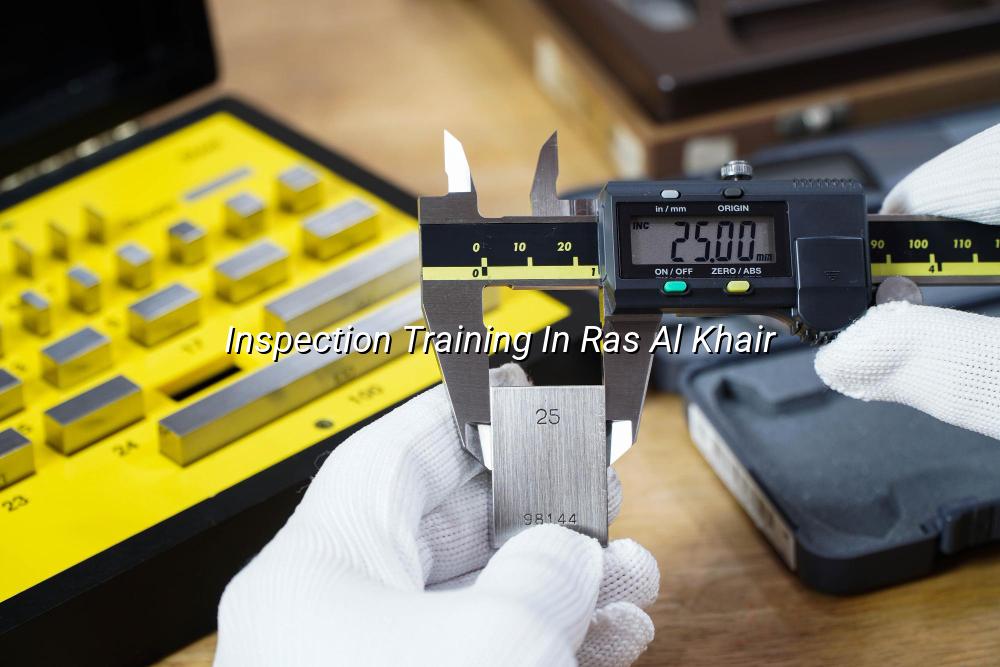
Inspection training in Ras Al Khair helps your team catch bad conditions before they become shutdowns, incidents or rejected handovers. If you're responsible for lifting gear, plant equipment or third-party checks, this page shows what good training should cover and how it supports safer field decisions.
We work with industrial teams across Saudi Arabia, India and the Middle East, where Ras Al Khair projects often sit close to heavy fabrication, marine, mining and utility operations. The real need is usually simple: people want cleaner inspection records, better judgement in the field and a team that understands BS EN expectations without turning every check into paperwork theatre.
Why inspection training in Ras Al Khair matters on real sites
On paper, inspection is about checks and reports. On site, it's about judgement. A rigger, QA lead or maintenance supervisor needs to spot wear, distortion, missing tags, corrosion, cracked welds or a failed accessory fast enough to stop the next step. That's why inspection training in Ras Al Khair has to be practical, not classroom-heavy. We build it around the realities of lifting operations, industrial maintenance and inspection routines that meet BS EN standards and internal permit systems.
What your team should be able to do after training
They should know how to inspect equipment consistently, record findings clearly and decide when to isolate, tag out or escalate. In our experience, the biggest gap is not theory; it's confidence in the field. People often know something looks wrong, but they need the language and method to document it properly so the next shift, supervisor or client rep can act on it without guessing.
Who usually asks for this course
We hear from lifting supervisors, QA/QC teams, maintenance engineers and HSE staff who need a common inspection approach across crews and contractors. In Ras Al Khair, that matters because you may have mixed teams, rotating shifts and equipment moving between workshop and site. One bad handover can undo a week's worth of careful work.
- Start with equipment type — identify whether the item is a lifting accessory, PPE item, welded part, support structure or plant component before the inspection begins.
- Check the visible condition — look for wear, deformation, broken stitching, damaged surfaces, leaks, loose fasteners or missing identification.
- Compare against the acceptance point — use the site procedure, BS EN requirement or manufacturer instruction that applies to the item.
- Write the finding clearly — record what you saw, where you saw it and what action is needed next.
- Train people to separate visual defects from operational defects.
- Use sample inspection forms that match your site's actual workflow.
- Include pass, fail and quarantine decisions in every exercise.
- Keep the course aligned with BS EN-based lifting and inspection practice.
- Review photo evidence so reports hold up during client or internal audit checks.
Inspection training topics and the field outcome they support
| Topic | What the team learns | Field outcome |
|---|---|---|
| Lifting equipment inspection | Visual checks, traceability and defect recording | Safer use of slings, shackles, hooks and accessories |
| PPE inspection | Wear signs, damage limits and rejection logic | Better control before PPE reaches the workfront |
| NDT awareness | When to escalate beyond a visual check | Cleaner referrals to specialist testing teams |
| Inspection reporting | Clear notes, photos and follow-up actions | Stronger handover between shifts and contractors |
How the training helps QA, maintenance and lifting teams
The best inspection training doesn't just teach people to spot damage. It helps them think in a controlled way. That means using the same criteria every time, knowing when a finding is minor and when it needs escalation, and making sure the report can stand up during internal review. For industrial operations around Ras Al Khair, that discipline supports safer turnaround work, fewer avoidable stoppages and better communication with clients.
Why reporting quality matters as much as the check itself
A good inspection can still fail if the record is vague. We often see notes that say "damaged" without saying what was damaged, where it was found or why it matters. Training fixes that. It gives teams a way to write short, usable findings that the next person can act on without asking for a second explanation.
Built for real industrial use
Our approach suits lifting yards, fabrication shops, maintenance teams and project sites that need inspection habits they can repeat. We can also connect the training to related services like inspection services, PAT testing, calibration, condition monitoring and lab setup so the whole system works together instead of in silos.
What a good inspection training session should include
Good training starts with the item in front of you. A cracked shackle, a damaged sling tag or a corroded support point is easier to teach from than a slide full of generic examples. We also like to use the kind of cases people actually see in Saudi industrial yards: mixed equipment, dusty conditions, hot surfaces and items that change hands several times before the final sign-off. That is where a trained eye saves time.
We can shape the content around your operation. Some teams only need lifting inspection basics. Others need a wider package that touches NDT awareness, PPE checks, documentation discipline and handover control. If your site already follows ISO 9001:2015 procedures, we can align the training language with your quality records so it feels familiar to your auditors and supervisors.
When the course is done well, people leave with habits they can actually use. They know what to look for, how to compare a condition against a limit, and when to stop work. That is more useful than memorising a checklist. It also makes future audits easier because the team understands why a record was created, not just how to fill a form.
For larger project teams, we can also build a training path that links inspection to calibration, repair and maintenance planning. That matters in environments where one weak record can affect the next task, the next permit or the next client review.
How Mayon Industrial Services Can Help
We train teams that need more than theory. Mayon can support your inspection program with training, inspection services, calibration, condition monitoring and related field engineering work, all backed by ISO/IEC 17025:2017 awareness where traceability matters. If you want a course for lifting teams, maintenance staff or QA personnel in Ras Al Khair or elsewhere in Saudi Arabia, we can shape it around your operation and the standards you already follow.
Call +91 99447 80844 (India) or +966 59 633 8012 (Saudi Arabia), email services@mayonservices.com, or message us on WhatsApp.
Frequently Asked Questions
Usually, we cover safe visual inspection methods, defect recognition, reporting, escalation rules and the standards your site already uses. For lifting-focused teams, that often includes slings, shackles, hooks, tags and related accessories. If your operation has more equipment types, we add those too so the course matches the work your people actually do.
Yes, it suits both groups well. Supervisors need fast, practical judgement in the field, while QA staff need cleaner records and stronger defect descriptions. We can pitch the same session so both groups hear the same inspection logic and use the same decision points.
We do, where that standard applies to the inspection work being taught. The aim is to help your team understand acceptance, rejection and recording in a way that matches the site rule set instead of using vague general advice. That makes the training easier to use during audits and handovers.
Yes, and that setup often works well because the same people manage both kinds of checks. We tailor the examples so the team learns what to look for on PPE, lifting accessories and any other items you want to include. It keeps the message consistent and avoids mixed procedures.
Send us your site needs, the equipment types you want covered and the number of people to train. From there, we can suggest a suitable course structure and tie it to your internal workflow. The fastest route is to contact us by phone, email or WhatsApp and ask for a quote through the request form.
Ready to strengthen inspection habits on site?
If your team needs inspection training in Ras Al Khair, we'll help you build a course that fits the equipment, the risks and the way your people actually work.
Contact MayonGood inspection training leaves people more confident, but also more careful. That matters in Ras Al Khair, where industrial work depends on clean handovers and sound judgement. Mayon Industrial Services is ready to help with the training, inspection and technical support your team needs.