
Inspection Training in Red Sea
Practical inspection training for teams handling lifting gear, PPE and site checks across Red Sea operations.
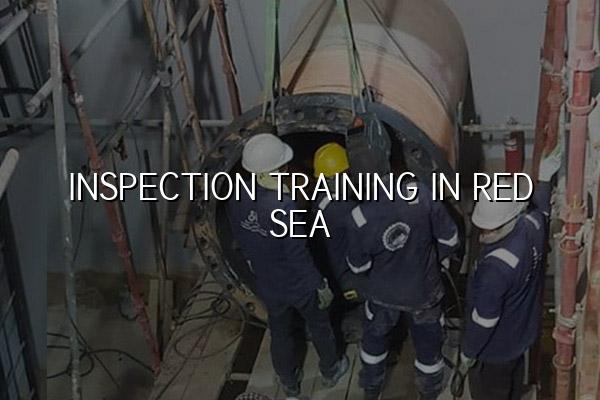
Inspection training in Red Sea helps your team spot defects before they become stoppages, unsafe lifts or messy handover disputes. If you manage plant, marine support or construction activity near the Red Sea corridor, this page shows what good training should cover and how it changes day-to-day decisions.
We keep the focus on practical checks, records and field discipline. That matters in Saudi industrial work, where lifting equipment, PPE, electrical tools and site accessories all need people who can look, test, record and escalate properly.
Why inspection training in Red Sea matters on live projects
In our experience, inspection problems usually start with small habits. A missed tag, a rushed visual check, or a report that says “OK” without any real finding. Good inspection training changes that pattern. It teaches your supervisors and technicians how to inspect lifting gear, NDT items, PPE and general site equipment with a proper eye, then record what they found in a way that stands up to client review.
What your team should learn first
Start with the basics: what to inspect, what to reject, what to quarantine and what to escalate. For Red Sea jobs, that often means lifting slings, shackles, hooks, eye bolts, helmets, harnesses, fall-arrest accessories and handheld electrical tools. We also bring in BS EN standards where they apply to lifting and inspection work, because people need a common reference instead of opinions on the shop floor.
How the training should feel on site
It should be practical, not classroom-only. A good session uses actual equipment, actual wear patterns and actual paperwork. Teams learn how to check identification marks, serial numbers, load limits, damage, deformation, corrosion and expired certification. They also learn how to speak up when something does not pass. That sounds simple, yet it’s where many teams hesitate.
- Start with a short site review — we identify the inspection categories your crew handles most, such as lifting gear, PPE, tools and support equipment.
- Build the check method — the team learns a repeatable sequence for visual inspection, functional checks, tagging and record entry.
- Practise on real items — we use worn, clean and borderline examples so people can tell the difference between serviceable and unsafe gear.
- Review findings and actions — the team learns how to write clear notes, isolate failed items and escalate to QA, maintenance or the client.
- Keep inspection criteria visible at the point of use.
- Separate visual checks from acceptance decisions.
- Photograph defects before you move the item.
- Tie every failed item to a tag or record number.
- Make sure supervisors know when to stop use, not just note the defect.
Common inspection topics and what the team must prove
| Inspection Area | What Trainees Check | Typical Site Outcome |
|---|---|---|
| Lifting equipment | Marks, condition, wear, deformation and quarantine rules | Safer use of slings, shackles, hooks and lifting accessories |
| PPE inspection | Damage, expiry, fit, cleanliness and replacement triggers | Better control of helmets, harnesses and fall protection items |
| Tools and accessories | Physical condition, leads, housings, labels and obvious defects | Fewer unsafe items reaching the workfront |
| Reporting discipline | Clear notes, evidence, status and follow-up actions | Reports that QA, HSE and clients can actually use |
What changes after proper inspection training?
Teams stop guessing. They know how to judge visible damage, how to separate minor wear from rejectable defects, and how to write findings in a way that supports action. That helps on Red Sea projects where multiple contractors, rotating crews and tight handover cycles can make inspection records messy very quickly.
Why supervisors like the result
Because fewer items are missed and fewer arguments happen later. A supervisor who understands inspection basics can answer a client query with facts, not a shrug. That matters in Saudi industrial settings, especially when lifting gear, PPE and worksite tools move between teams and locations.
Built for industrial crews
We train technicians, HSE staff, maintenance teams and inspectors who need to make a call on the ground. The focus stays on real equipment, real defects and real site paperwork, not classroom theory that fades the next morning.
Where the training fits: Red Sea projects, plants and support yards
Marine and port work
Inspecting lifting gear and access equipment around marine support work demands clean records, clear tags and quick isolation of suspect items. That’s normal practice on Red Sea-side operations.
Oil, gas and petrochemical sites
These sites expect traceable checks and disciplined reporting. Training helps your team understand what a client auditor wants to see and what plant management needs before release.
Cold chain and warehouse support
In warehousing and temperature-sensitive work, inspection includes the condition of tools, access gear and support equipment. Small failures can hold up loading, unloading and maintenance access.
How Mayon Industrial Services Can Help
We run inspection training alongside our calibration, mechanical, inspection and testing work, so the training comes from field experience rather than theory alone. That helps your team understand how inspection links with condition monitoring, lifting-equipment checks, PPE control and equipment readiness. If you want practical inspection training in Red Sea for your crew, we can help shape the session around your site and your equipment.
Call +91 99447 80844 (India) or +966 59 633 8012 (Saudi Arabia), email services@mayonservices.com, or message us on WhatsApp.
Frequently Asked Questions
It trains your people to inspect equipment properly, spot defects early and record what they found in a clear way. For Red Sea operations, that usually means lifting gear, PPE, tools and site accessories used by technicians, riggers and supervisors.
Yes. We usually cover both, because teams often handle them together on site. The training shows how to check condition, read marks, identify damage and decide when the item should be isolated or replaced.
Yes, onsite training works well because people learn using the same gear and paperwork they use every day. That also makes it easier to cover local practices, client requirements and the exact equipment found in your yard or workshop.
For lifting and inspection work, BS EN standards are the key reference point we mention here. Where electrical calibration is involved in the wider workflow, EURAMET CG-15 can also matter. We keep the scope to the standards that fit the job.
If you’re seeing inconsistent reports, repeated defects, missing tags or confusion about pass and fail decisions, training is overdue. A lot of clients call us after a client query, a maintenance finding or a near miss, which is usually the right time to fix the gap.
Ready to sharpen your inspection team?
If you need practical inspection training in Red Sea, we can tailor it to your equipment, your site rules and the people doing the checks.
Contact Mayon