
Pneumatic Testing Service Company in Tanajib
Onsite pneumatic pressure testing for Tanajib assets that need safe, traceable checks before startup or return to service.
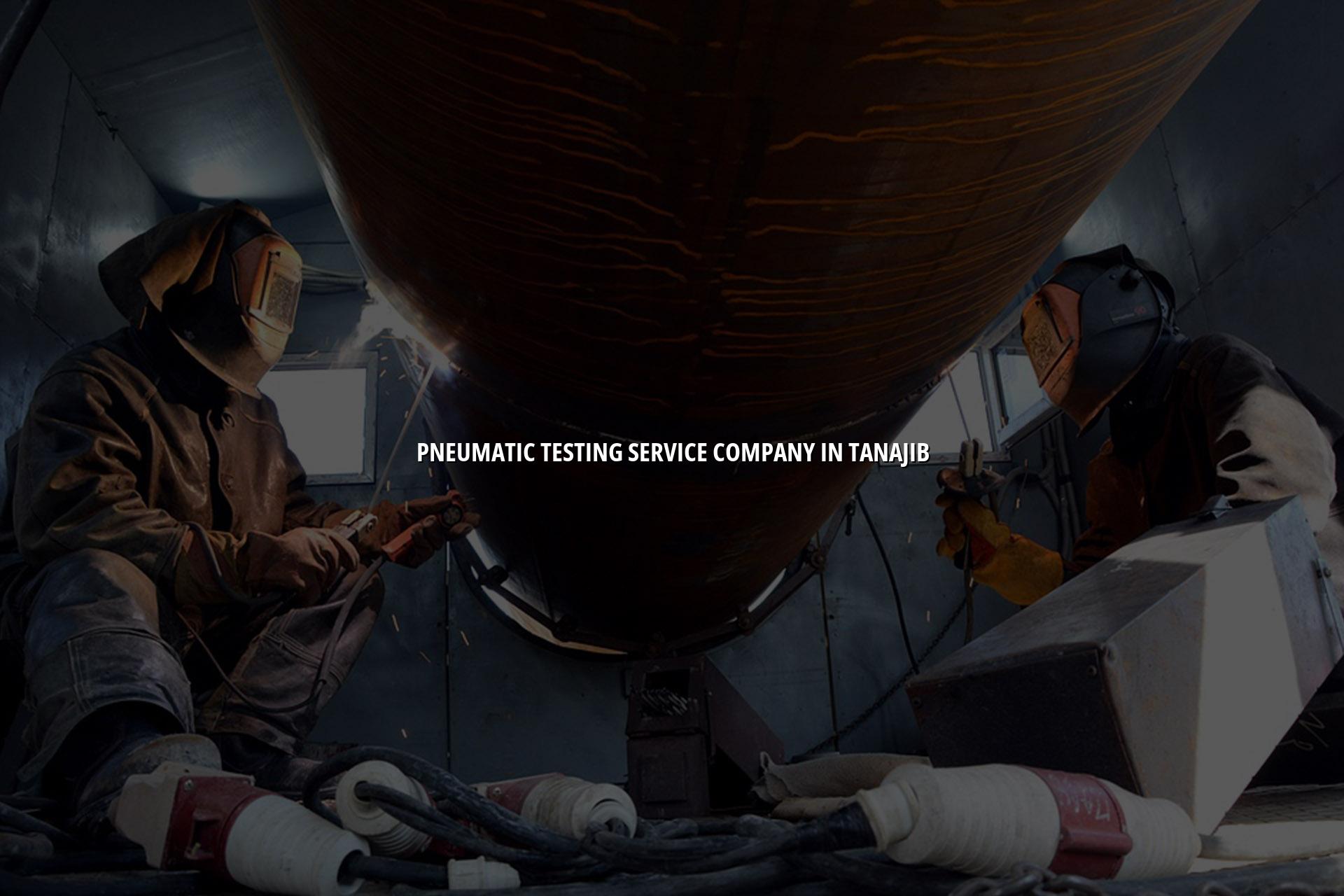
Pneumatic testing service company in Tanajib support is what you need when a line, vessel or packaged system has to prove integrity before startup, maintenance close-out or handover. We help you check for leaks, hold pressure safely and document the result in a way your QA and operations team can use.
In Tanajib, that usually means oil and gas equipment, utility skids, instrument air systems and other assets where controlled test pressure matters. Our team works across Saudi Arabia and the wider Middle East with onsite capability, mobile lab support and the kind of traceability industrial plants expect.
Pneumatic Testing Service Company in Tanajib for field-ready assets
Pneumatic testing is used when you need to confirm pressure integrity with air or inert gas rather than water. In practice, that can suit dry systems, control lines, low-contamination services and equipment that can't be filled, drained or exposed to moisture. We plan the test around the item, the test medium and the pressure range so the method fits the job, not the other way around.
Where this helps in Tanajib
We see requests from maintenance teams working on process skids, piping spools, manifolds, hoses and instrument circuits in Saudi industrial environments. Tanajib jobs often need careful coordination because shutdown windows are tight and site teams want clear evidence that the asset held pressure without a leak trend. That is exactly where a structured test record helps.
Why the setup matters
Pneumatic work stores energy, so the test setup needs more discipline than a quick air check. We isolate the system, verify fittings, choose gauges and fittings with suitable range, and control the ramp-up so the pressure increase stays stable. The point is simple: safe testing gives you reliable results, and reliable results reduce repeat work.
- Review the equipment data — we check the item type, pressure rating, design limits and the reason for the test before anything is connected.
- Prepare and isolate the system — blinds, caps, hoses, valves and temporary fittings are arranged so the test volume is controlled.
- Pressurize in stages — the system is brought up gradually while the crew watches for audible leaks, movement or unstable readings.
- Hold, inspect and record — we keep the system at the agreed test pressure, verify the reading and document the result for your file.
- Use pneumatic testing when water would create contamination or drying problems.
- Match gauges, regulators and hoses to the test range before the site visit.
- Keep the area clear so only essential personnel are near the test boundary.
- Ask for a clear pass/fail record that your maintenance file can keep.
Pneumatic and related checks compared for site use
| Test method | Typical use | Key site consideration |
|---|---|---|
| Pneumatic testing | Dry systems, leak checks, pressure integrity verification | Needs tight control because compressed gas stores energy |
| Hydrostatic testing | Pipework and vessels that can be filled with water | Useful when moisture is acceptable and draining is practical |
| Leak inspection only | Quick checks on fittings, valves and connections | Good for troubleshooting, but not a full pressure integrity test |
| Commissioning support | New or repaired assets before startup | Works best with documented checks and coordination with operations |
What a proper pneumatic test should give you
A good test is more than a pressure reading. You should end up with a clear setup record, confirmation of the test medium, visible leak checks and a result you can pass to operations, maintenance or quality control. In many Saudi oil and gas jobs, that record is what closes the maintenance action.
How we keep the work controlled
Our team plans the work with the site contact, uses the right instruments for the pressure range and keeps the test area organised. If the job also needs calibration support, inspection, mechanical work or commissioning help, we can tie those services together so you don't have to manage multiple vendors for one shutdown window.
Built for industrial shutdowns
Tanajib sites often need practical support, not theory. We work with maintenance crews, QA teams and project engineers who want a clean test setup, proper documentation and a team that knows the pace of field work in Saudi Arabia.
Supporting services that often sit beside pneumatic testing
Calibration support
When gauges, indicators or related instruments need traceable checks, we can support them through our ISO/IEC 17025:2017 calibration capability in laboratory or onsite mode.
Mechanical preparation
Flange work, bolt torquing, hydrotesting support and cold cutting are part of our mechanical service line, which helps when a system needs to be made ready before a pressure test.
Inspection and commissioning
We also handle inspection services, testing and commissioning, so the test step can sit inside a wider close-out plan instead of being treated as an isolated task.
How Mayon Industrial Services Can Help
If you need a Pneumatic testing service company in Tanajib, we can support the job with onsite pressure testing, calibration for related instruments, and mechanical or inspection work where the shutdown scope is bigger than one test. Our teams work across Saudi Arabia and the Middle East, and we’re set up for practical field conditions, not just lab work.
Call +91 99447 80844 (India) or +966 59 633 8012 (Saudi Arabia), email services@mayonservices.com, or message us on WhatsApp.
Frequently Asked Questions
We test pressure integrity using air or inert gas, check for leaks and document the result for your site file. In Tanajib, that often means work on piping, skids, manifolds or instrument systems before startup or after maintenance. The aim is simple: confirm the asset is holding pressure under controlled conditions.
Pneumatic testing is usually chosen when water would create contamination, drying issues or operational trouble. It is also useful for dry lines and certain low-moisture services. If the item can safely be filled with water, hydrotesting may be the more practical option, so the asset and site constraints should drive the decision.
Yes. We serve Saudi Arabia from Dammam Industrial City 2 through our local operating setup, and we also support wider Middle East industrial work. Tanajib projects often need site coordination, proper pressure control and clear records, and that's the kind of work our team handles regularly.
Yes, we provide a clear record of the test outcome so your maintenance or QA team can file it properly. The exact format depends on the job scope, but we keep the result practical and usable. If the job also needs calibration or inspection support, we can align those records too.
Most requests come from oil and gas, petrochemical, power and manufacturing sites, especially where dry systems or process integrity checks are needed. We also see related work in maintenance shutdowns and commissioning scopes. If your asset sits in a controlled industrial area, it's worth asking whether pneumatic testing is the better fit for the job.
Yes, and that saves time on mixed-scope shutdowns. We can pair the test with calibration, flange work, bolt torquing, inspection or commissioning support depending on what the site needs. That way you deal with one team instead of juggling several vendors.
Need pressure testing support in Tanajib?
If your equipment needs a controlled pneumatic test, talk to our team and we’ll help you plan the job around your site conditions and shutdown window.
Contact Mayon