
Pneumatic Testing Service Company in Zulfi
Onsite pressure testing support for industrial systems in Zulfi, with practical checks for safe commissioning and maintenance.
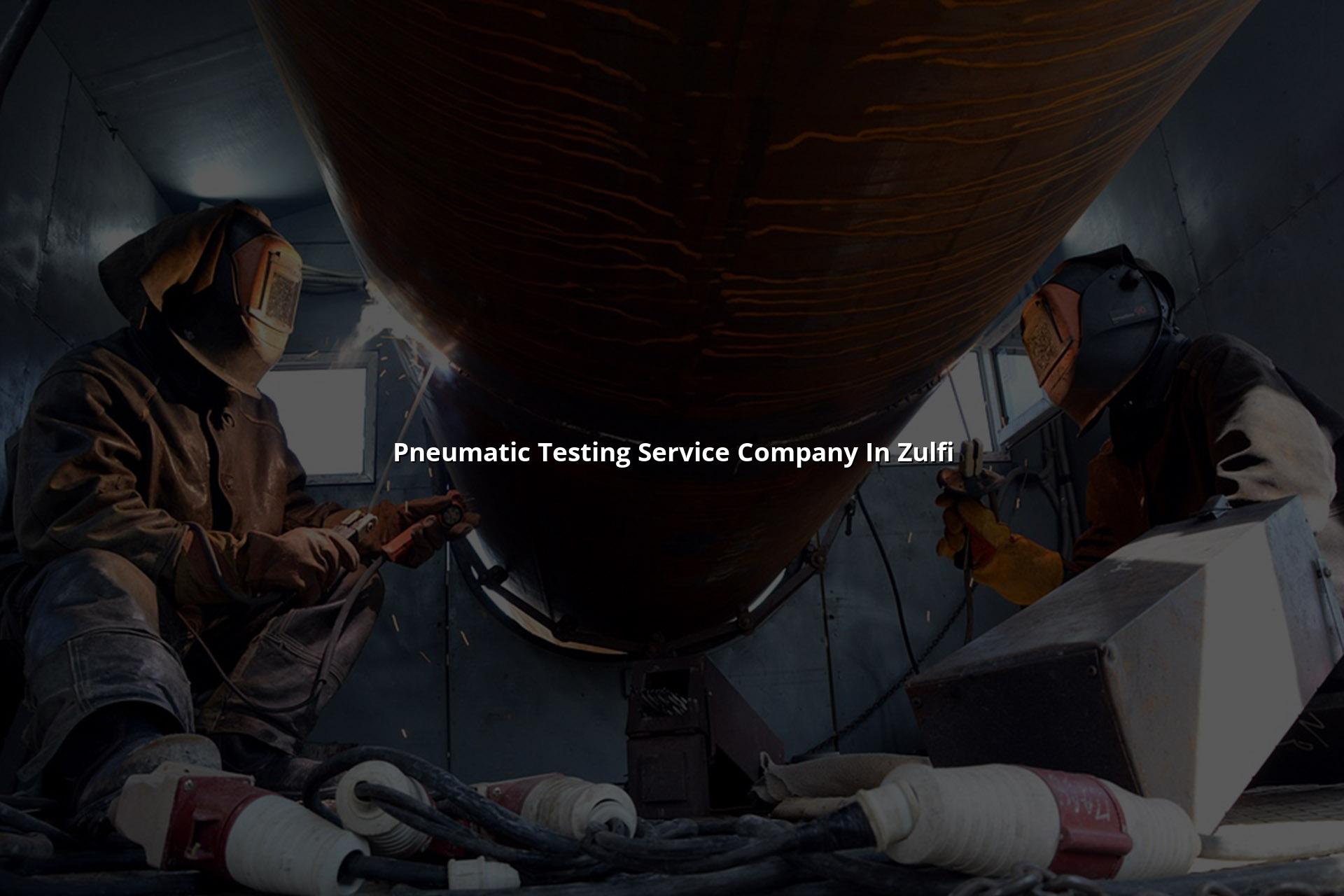
Pneumatic testing service company in Zulfi searches usually come from teams that need a safe way to prove tightness before startup, after repair, or before handing equipment back to operations. We help you check pressure-containing systems in a controlled way, so you can spot leaks, weak joints and fitting issues before they turn into downtime.
From Saudi industrial sites to cross-border maintenance work in the Middle East, we handle onsite testing with the same practical mindset we use for calibration, mechanical services and commissioning support. Our team works around the realities of production areas, shutdown windows and permit-to-work rules, and we keep traceability in line with ISO/IEC 17025:2017 where calibration support is part of the job.
Pneumatic Testing Service Company in Zulfi for Real Field Conditions
Pneumatic testing is used when water isn't practical, or when the system needs a dry test before gas service, inerting, or final commissioning. In our work, that often means pipe spools, manifolds, small vessels, instrument lines, skids and fabricated assemblies that need a controlled pressure check with clear acceptance criteria. For many jobs in Zulfi and nearby Saudi industrial zones, the value is simple: you need proof that the system holds pressure and that the fittings, welds and flange joints are behaving the way they should.
Where this fits in maintenance and commissioning
Most requests arrive during shutdowns, repairs or pre-commissioning. A contractor may have completed flange work, cold cutting, welding or a tie-in and now needs a pressure test before handover. We also see it after maintenance on air systems, utility piping, hydrotest manifolds, pressure accessories and custom fabricated parts. If the system is being prepared for service in oil and gas, petrochemical, power or manufacturing work, the test method and setup matter just as much as the pressure itself.
Why teams ask for pneumatic rather than hydraulic testing
There are good reasons to choose air or inert gas testing instead of a liquid test. Some circuits must stay dry. Some assemblies are sensitive to contamination. Some crews need a faster drain-down and reset for the next stage. That said, pneumatic testing carries stored-energy risk, so the controls, exclusion zone and inspection discipline must be tighter. We treat that seriously, because a rushed setup tells you nothing useful.
- Review the system scope — we confirm the item to be tested, the target pressure, the medium to be used and the isolation points before any connection is made.
- Inspect the condition first — the team checks fittings, hoses, gauges, valves, blanking points and supports so the setup is safe and ready.
- Build the test arrangement — we connect the pressure source, monitoring instruments and test boundaries, then confirm that the hold point can be watched properly.
- Pressurize in stages — pressure is raised step by step, with pauses for visual checks, leak detection and stability observation.
- Record results and release the system — once the test is complete, we document the outcome, depressurize in a controlled manner and hand the system back for the next activity.
- Use calibrated pressure gauges so readings can be trusted during the hold period.
- Keep non-essential personnel outside the test zone, especially on pneumatic jobs.
- Confirm blanks, caps and fittings are rated for the planned pressure and service.
- Check whether the item needs dry nitrogen, compressed air or another approved medium.
- Document the exact test boundaries, so the handover team knows what was verified.
Pneumatic Test Planning Compared Across Common Job Types
| Job type | Typical site need | What we check |
|---|---|---|
| Pipe spools | Leak integrity before installation or startup | Joint tightness, blanking points, gauge stability and pressure retention |
| Instrument lines | Dry verification before commissioning | Small-bore fittings, routing, isolation and leak paths at connections |
| Skids and manifolds | Pre-handover check after fabrication or repair | Weld zones, flange faces, valve seating and test boundaries |
| Maintenance rechecks | Proof after repair work or component replacement | Reinstalled parts, torque condition, supports and pressure hold behavior |
How We Keep Pneumatic Testing Controlled and Traceable
Good pneumatic testing is never just about reaching pressure. The real work is in the setup: verified instruments, correct isolation, clear boundaries, and a method that suits the asset. On industrial sites in Saudi Arabia, that's especially important when the work sits beside live plant, utilities or production lines. We also keep calibration support aligned with ISO/IEC 17025:2017 and, where quality systems matter, ISO 9001:2015 supports the way work is planned and documented.
What usually goes wrong
In practice, most problems come from simple issues. A gauge is out of date. A hose is wrong for the pressure class. A flange face wasn't cleaned properly. Or the test boundary was described badly, so nobody can tell what was actually proven. We see this often enough to know that a calm setup saves time later.
Built for shutdowns, repairs and handover checks
Our teams work with maintenance managers, QA staff and commissioning crews who need clear evidence before release to service. That can mean a short verification on a repaired line, or a planned test package for a larger asset. Either way, we bring field discipline, proper reporting and the right equipment for the job.
Where Pneumatic Testing Helps Most
Oil & Gas and Petrochemical
Pressure-containing piping, utility headers, skids and fabricated assemblies often need verification before they join live systems. A leak on a small line can still stop a larger sequence.
Power and Manufacturing
Air circuits, process support lines and plant auxiliaries are common candidates when dry testing is preferred. The test helps maintenance teams catch issues before startup crews take over.
Cold Chain and Food Facilities
Plants with strict contamination controls sometimes choose dry verification for specific assemblies. That keeps the area clean and avoids unnecessary liquid entry.
How Mayon Industrial Services Can Help
We support pneumatic testing as part of a wider industrial service line that includes calibration, mechanical services, inspection, orbital welding, lab setup and commissioning support. If your job in Zulfi needs onsite pressure testing, or you need gauges and instruments checked before the work starts, our team can help you plan the job properly and keep the paperwork clean. If you're not sure which approach fits the asset, ask us first and we'll talk it through.
Call +91 99447 80844 (India) or +966 59 633 8012 (Saudi Arabia), email services@mayonservices.com, or message us on WhatsApp.
Frequently Asked Questions
We test pressure-containing items to see whether they hold the specified pressure without unacceptable leakage. That can include piping, small vessels, manifolds, skids and instrument lines. The exact scope depends on the job package, the medium used and the plant's own procedure.
Yes, when it's planned and controlled properly. Pneumatic testing stores energy, so the exclusion zone, fittings, pressure source and monitoring all need careful attention. We only proceed when the setup is suitable and the site controls are in place.
Choose pneumatic testing when the asset must stay dry, when liquid contamination is a concern, or when a project requires a dry verification before commissioning. It's common on certain instrument systems and fabricated assemblies. If the item can safely take a liquid test, that may still be the preferred method for some jobs, so the choice depends on the actual asset.
Yes, we support onsite work from our Saudi Arabia operations in Dammam Industrial City 2 through SMC Engineering Services / Sixfaces Maintenance Co. That lets us handle industrial jobs across Saudi Arabia and wider Middle East sites that need field support.
Yes, we can support the calibration side as well. That's often the cleaner approach, because your test setup and your measurement tools stay aligned. Our calibration services cover onsite and in-lab work with ISO/IEC 17025:2017 discipline where applicable.
Send us the scope, the equipment type, the location and any site procedure you already have. From there, we can discuss the setup, the instruments needed and the best way to plan the visit. If you prefer, start with a quote request and we'll take it from there.
If you need a pneumatic testing service company in Zulfi that thinks like a field team and documents like a quality shop, we're ready to help. Mayon Industrial Services brings practical pressure testing, calibration support and industrial know-how together, so your equipment can move from repair to release with fewer surprises.
Ready to check your system with confidence?
Send the job details, and we'll help you plan the right testing approach for your site.
Contact Mayon